

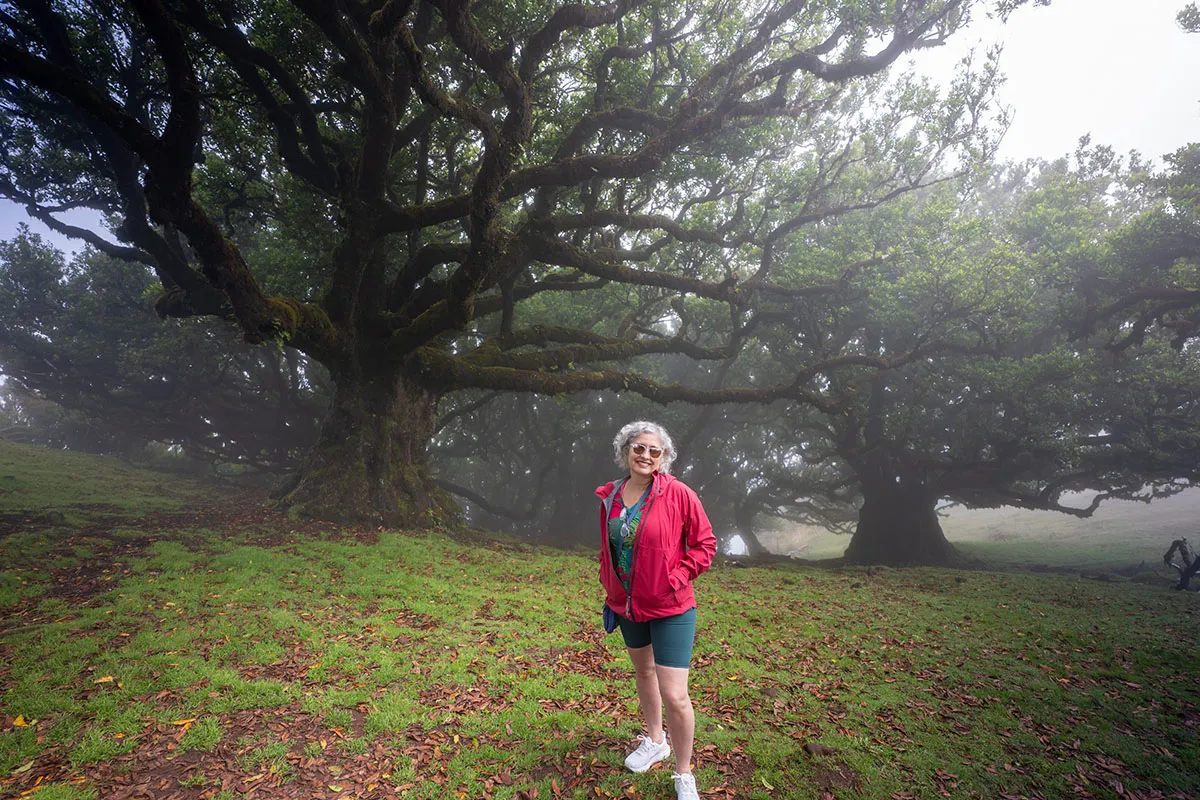
Ancient trees, drifting fog and free-roaming cattle make Fanal feel like a fairy tale. Our guide covers access, weather, trails and responsible visiting.
Madeira has turquoise water, dramatic coastal trails and mountain viewpoints, but few places feel as unreal as Fanal Forest. Its ancient trees become especially cinematic when mist crosses the plateau.
The history behind Fanal’s ancient trees
Fanal belongs to Madeira’s UNESCO-listed Laurissilva forest, a surviving fragment of vegetation that covered much of southern Europe millions of years ago. The twisted til trees are centuries old, and their shapes explain why photographers travel across the island to see them.
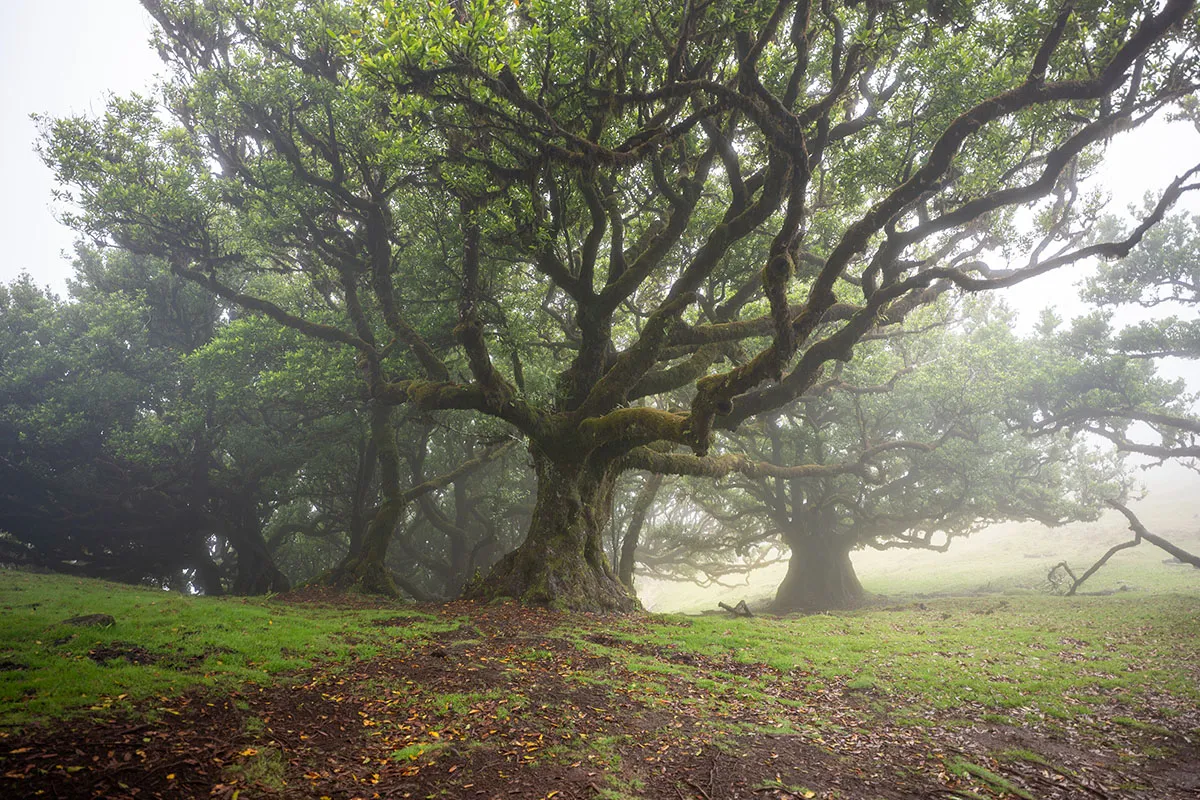
The trees are not props. Their roots and bark are living, fragile parts of a protected ecosystem.
The climb is part of the experience
The road rises through changing vegetation and frequent cloud. It is paved, but sections are narrow and visibility can disappear quickly.
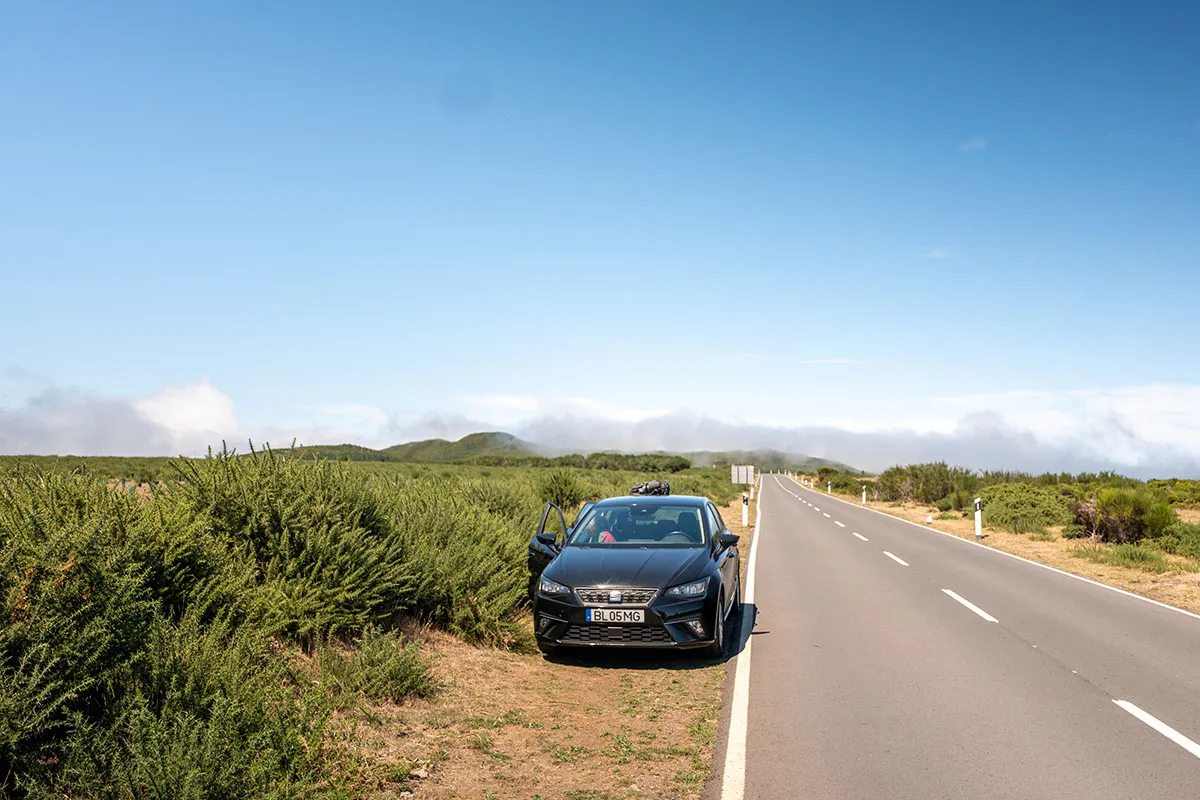
Weather can differ completely from the coast. We left sunshine below and found a cooler, shifting atmosphere on the plateau.
Parking
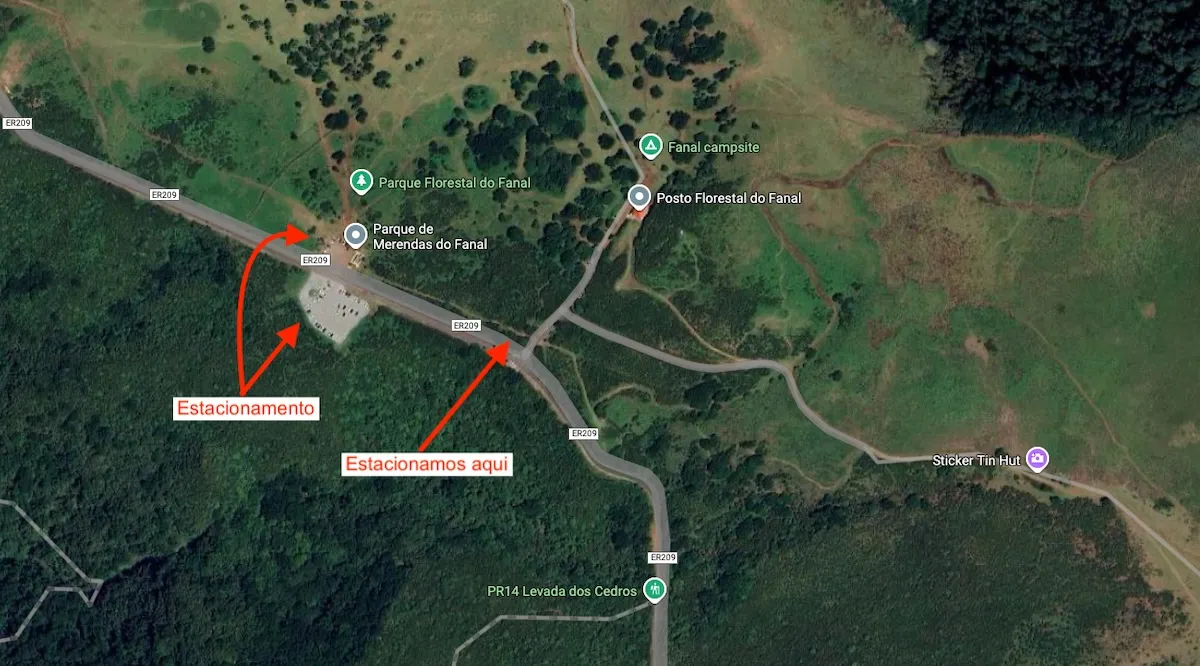
Parking areas are close to the forest, but the layout can become confusing in fog and busy periods. Arrive early, park only in established spaces and avoid soft ground.
The magic depends on weather
Fanal’s famous look is created by fog, but mist is never guaranteed. Wind can cover and reveal the landscape within minutes. A clear day still offers beautiful trees and broad views, while dense fog creates the mysterious images seen online.
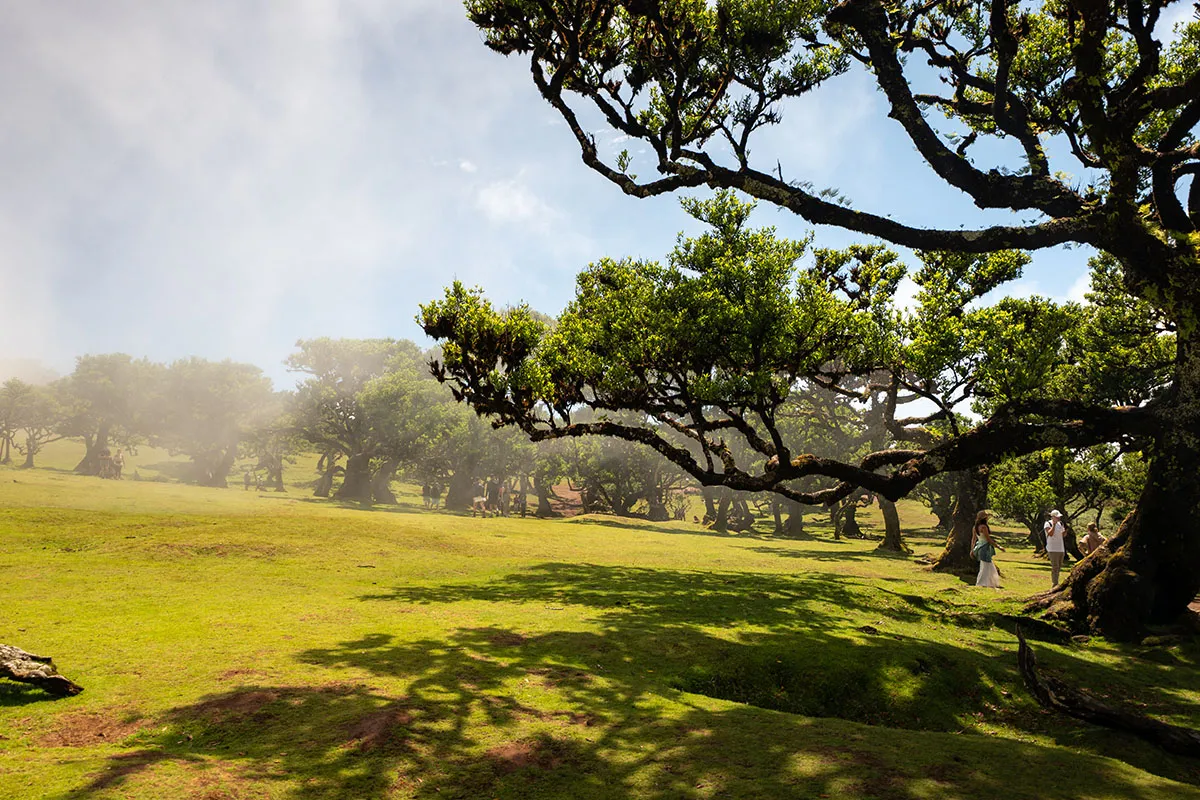
Do not treat a sunny forecast in Funchal as evidence that Fanal will be clear. Mountain weather has its own rules. Bring a waterproof layer and be prepared for lower temperatures.
Cattle and fairy-tale scenery
Free-roaming cows are part of the plateau’s character. They often stand among the trees and complete the pastoral scene.
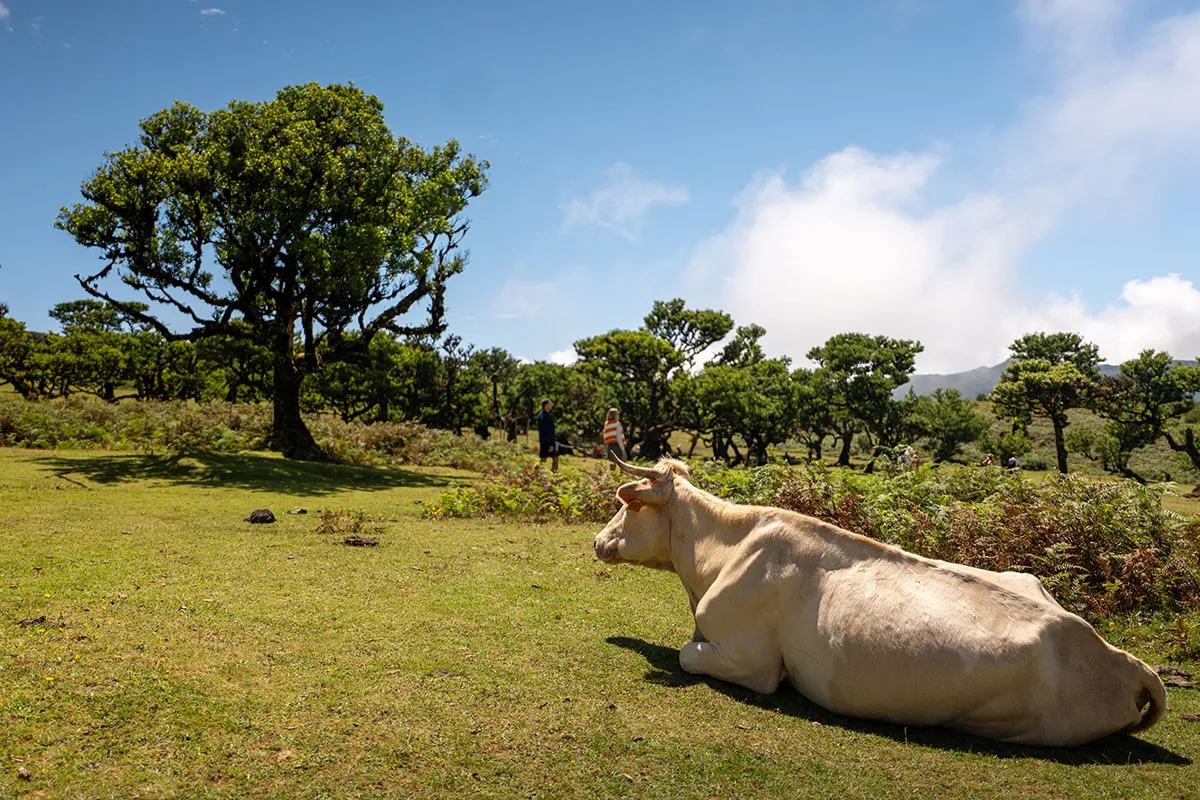
Keep a respectful distance. They are animals, not photo accessories, and mothers with calves deserve particular care.
Facilities and time needed
Fanal is a natural area rather than a structured attraction. Do not expect extensive services beside every trail. Carry water, food and an extra layer, and leave no waste.
For a simple walk among the famous trees, allow one to two hours. Photographers waiting for the light or hikers joining longer routes can easily spend half a day.
Trails around Fanal
The forest connects with several walking routes through the Paul da Serra and Laurissilva landscape. Conditions become slippery after rain, and fog makes orientation harder. Use an offline map, stay on marked paths and avoid starting a long route late in the day.
The negative side: disrespectful visitors
We saw people climbing ancient trees and stepping repeatedly on exposed roots for photographs. Social media has made Fanal famous, but fame also brings behaviour that can permanently damage what everyone came to admire.
Never climb the trees, carve bark, chase cattle or leave the path solely to reproduce an Instagram composition. A photograph is not worth harming a centuries-old organism.
Practical tips
- Visit early for fewer people and better odds of atmospheric mist.
- Bring waterproof shoes and a windproof layer.
- Check mountain conditions, not only Funchal’s forecast.
- Keep distance from cattle.
- Stay off roots and never climb the old trees.
- Download maps before losing mobile reception.
Bonus route through the wind farm
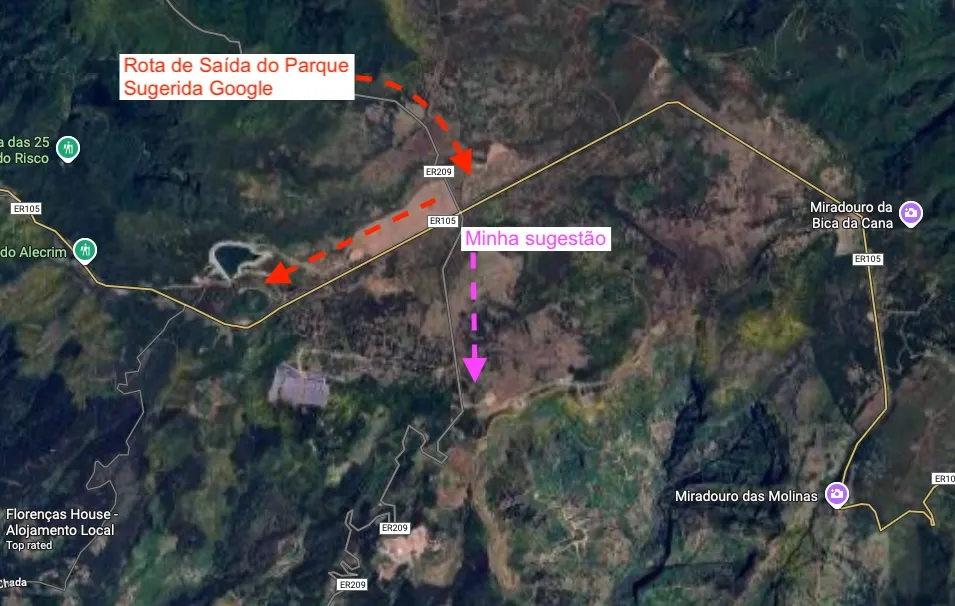
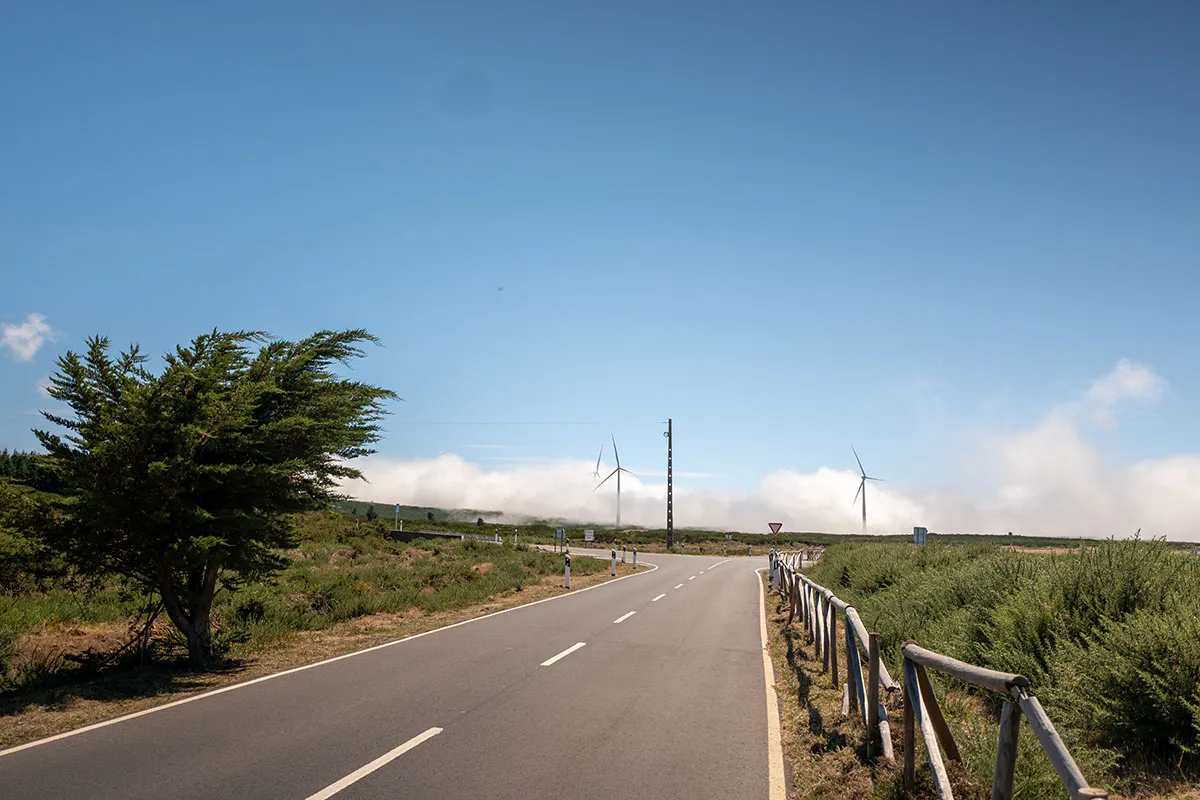
One alternative approach crosses the high plateau near wind turbines. It gives another perspective on Madeira’s interior and can be quieter than the most obvious access road.
Is Fanal worth visiting?
Definitely. Even without perfect fog, the age and shape of the trees make Fanal one of Madeira’s most distinctive landscapes. With mist, it becomes one of the most photogenic places we have visited anywhere.
Go with flexible expectations and respect the forest. The real value is not reproducing someone else’s photograph; it is watching weather, trees and silence transform the plateau in front of you.
Read also
Was this post useful?
Rate your reading experience.