

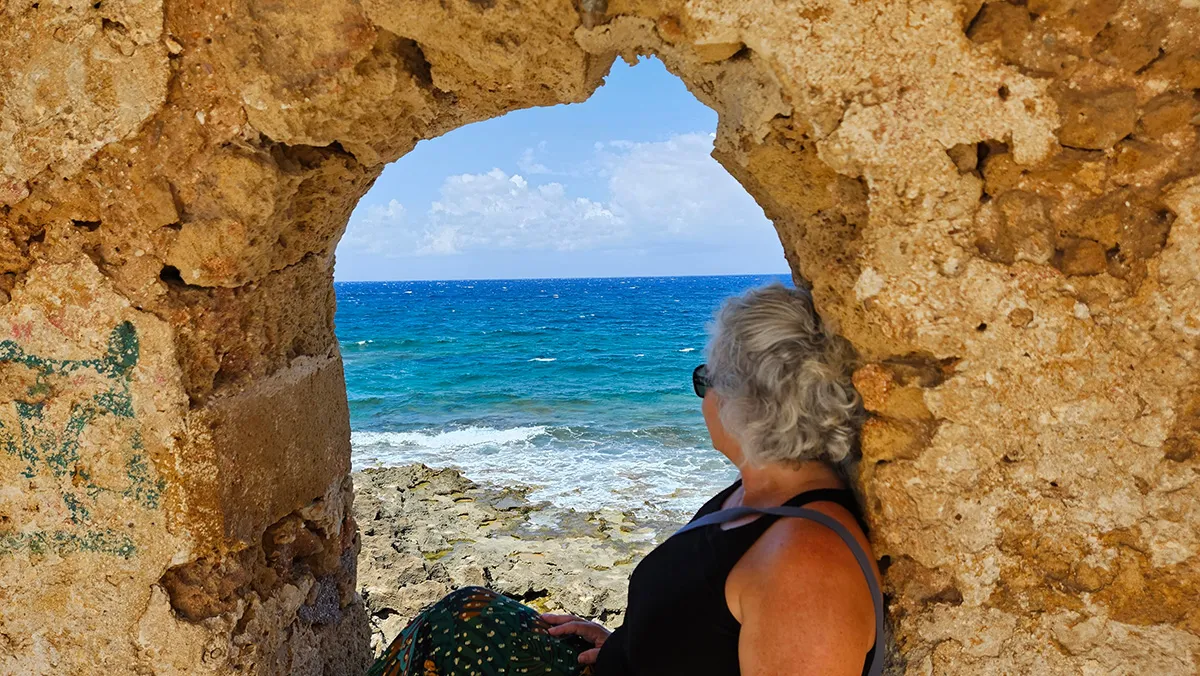
Chania breaks Greece's white-house-and-blue-dome stereotype. Venetian and Ottoman layers, ochre façades and a working harbor give it the feeling of Tuscany beside the sea.
A city where history stays visible
Chania is an open-air museum. Its heart is the Venetian Harbor, built in the 14th century and surrounded by fortifications that watched empires rise and fall.
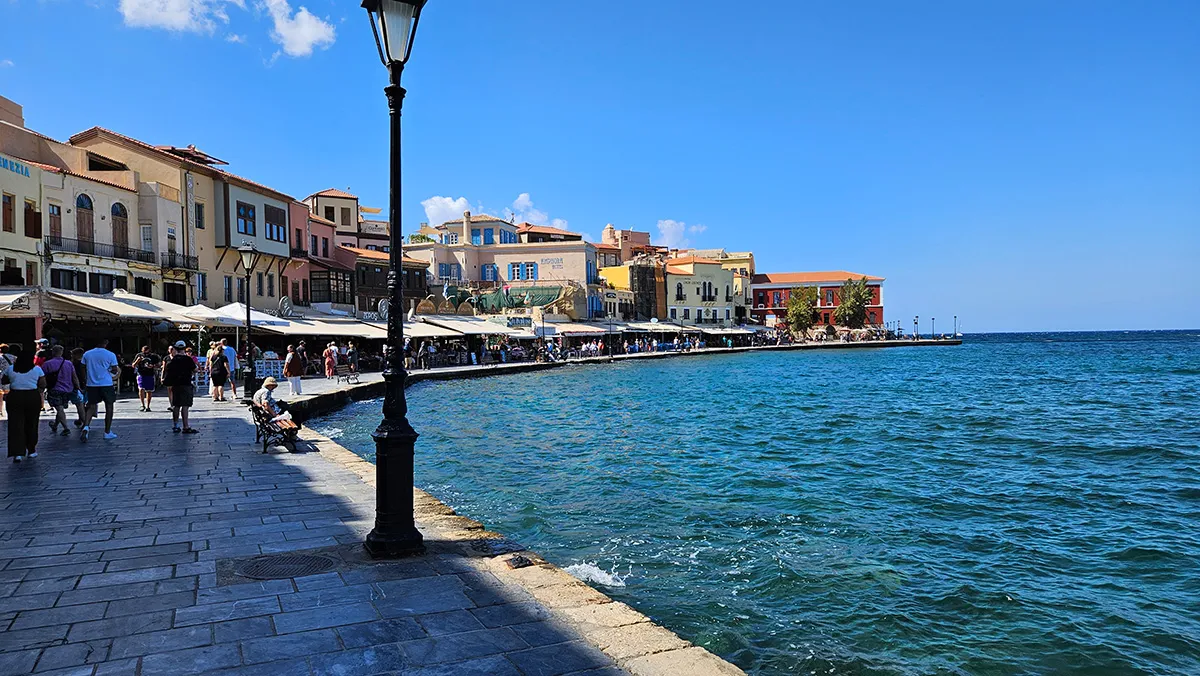
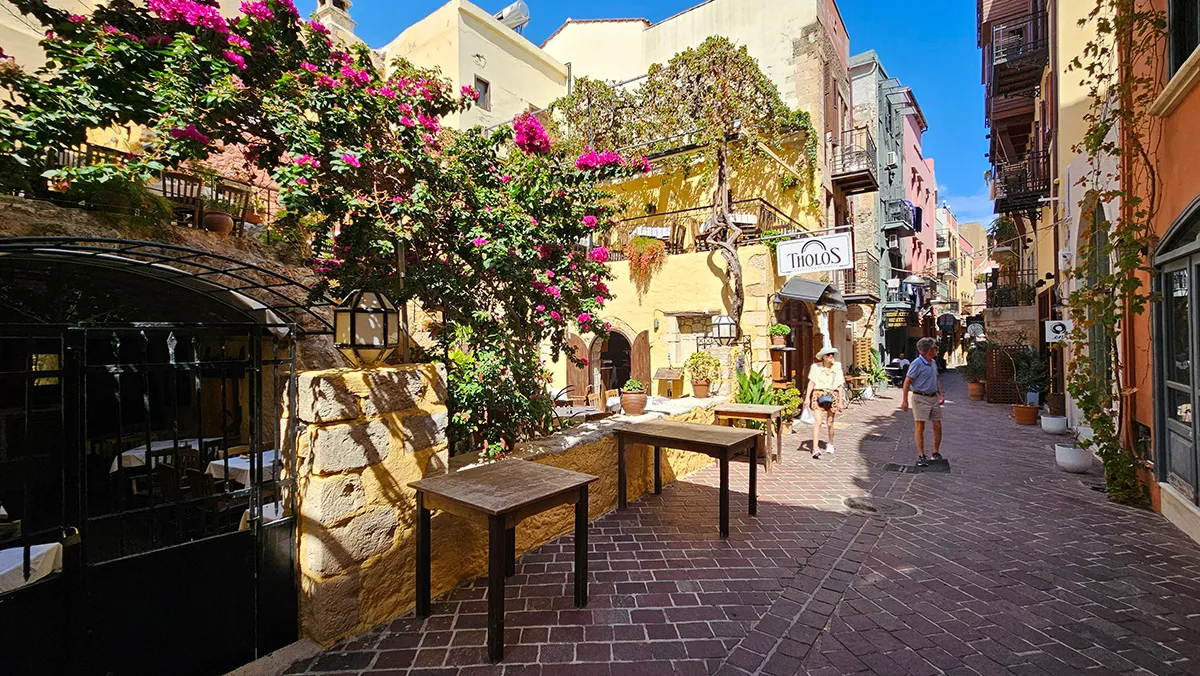
The former capital of Crete preserves a maze where each corner reveals a hidden taverna or garden.
Why Chania makes strategic sense
Alice and I usually trade pavement for a trail or empty beach, but Chania deserved an exception. After the classic island atmosphere of Milos and Paros, we wanted something different. Five days in vast Crete taught us that you cannot see even ten percent, so choosing the right base matters.
Chania has its own international airport, CHQ, and Souda port lies only 15 minutes from the center. It is a strong western base for Balos, pink-sand Elafonisi and other major beaches.
Accommodation offers real value
A simple Santorini room can cost what a boutique hotel or villa costs in Chania. Caldera-view hotels often exceed €300–€500 per night, while good old-town rooms or pool villas in Chania commonly fall around €80–€150.
We chose a charming hostel near the old town but booked a private suite for €100 per night, with comfort closer to a four-star hotel.
Better food at realistic prices
Crete is Greece’s agricultural powerhouse. Local production keeps ingredients fresh and prices grounded. A complete meal with meze, a main dish and house wine costs about €15–€25 per person, compared with €40–€60 in tourist areas on expensive islands.
Crete also has a lovely habit: complimentary raki and dessert at the end of a meal.
Transportation and beaches
Low-cost airlines connect Chania directly with European cities. Rental-car competition is stronger than on small islands, although a car remains essential.
Balos, Elafonisi and Falassarna are within reach. Famous Crete beaches remain democratic: bring your own gear or rent an umbrella-and-lounger set for around €15–€20, rather than paying beach-club prices.
A real city, not a set
Students, local shops and year-round life prevent Chania from feeling like an open-air resort. Supermarkets, pharmacies and cafés serve residents rather than operating solely on tourist pricing.
When should you visit Chania?
May, June and September
Our main recommendation. We visited in September and found 22–28°C weather, good swimming temperatures and manageable beaches. Shoulder-season accommodation around €100 is easier to find.
July and August
Expect intense heat, maximum nightlife, higher prices and tiring traffic toward famous beaches. Avoid peak August if relaxation is the goal.
October through April
Unlike Mykonos, Chania remains alive in winter. Rain and cool weather limit beach time, but history, museums and food become easier to enjoy without crowds. October can still offer excellent sunny days and low prices.
What we did and what we recommend
We spent our final Greek night in Chania. Two or three days is the minimum for the city itself.
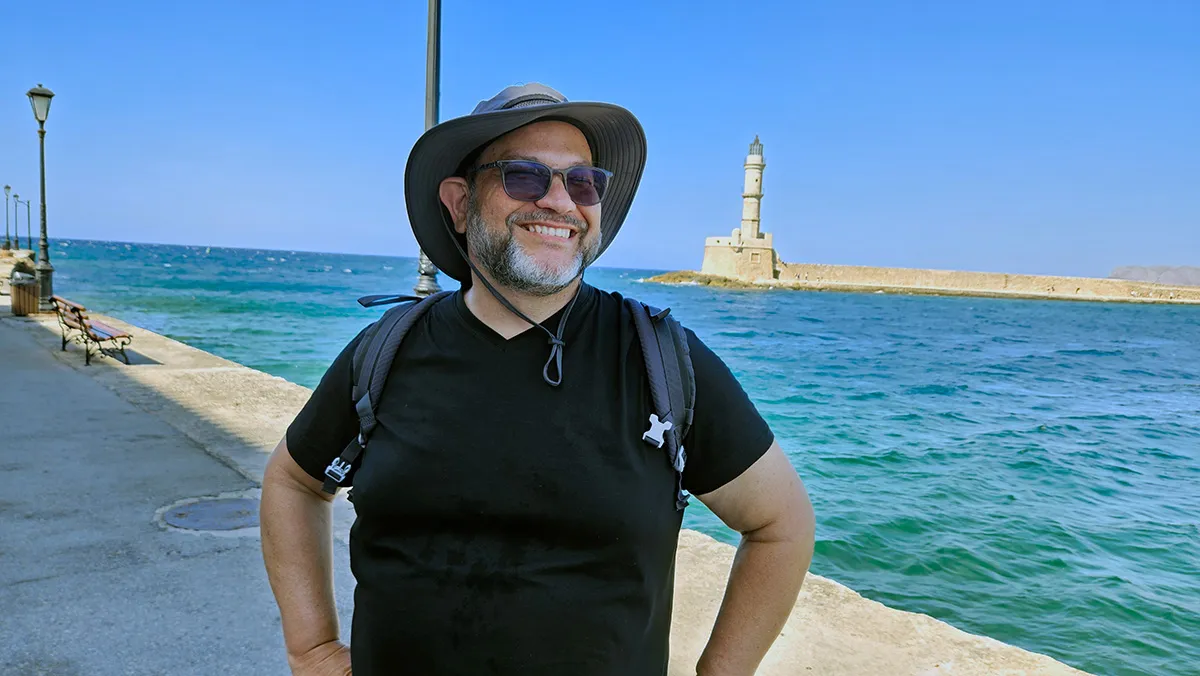
Walk the stone breakwater to the Venetian lighthouse at sunset. Put the map away in the old town, order Cretan dakos and get lost. Adventure travelers can use Chania as a gateway to Samaria Gorge; we chose a more relaxed visit and left that trail for next time.
Verdict
Chania charges tourist-city prices, but its atmosphere and food justify every euro. If Crete is your next destination, this is not merely an option. It belongs on the itinerary.
Read also
Was this post useful?
Rate your reading experience.