

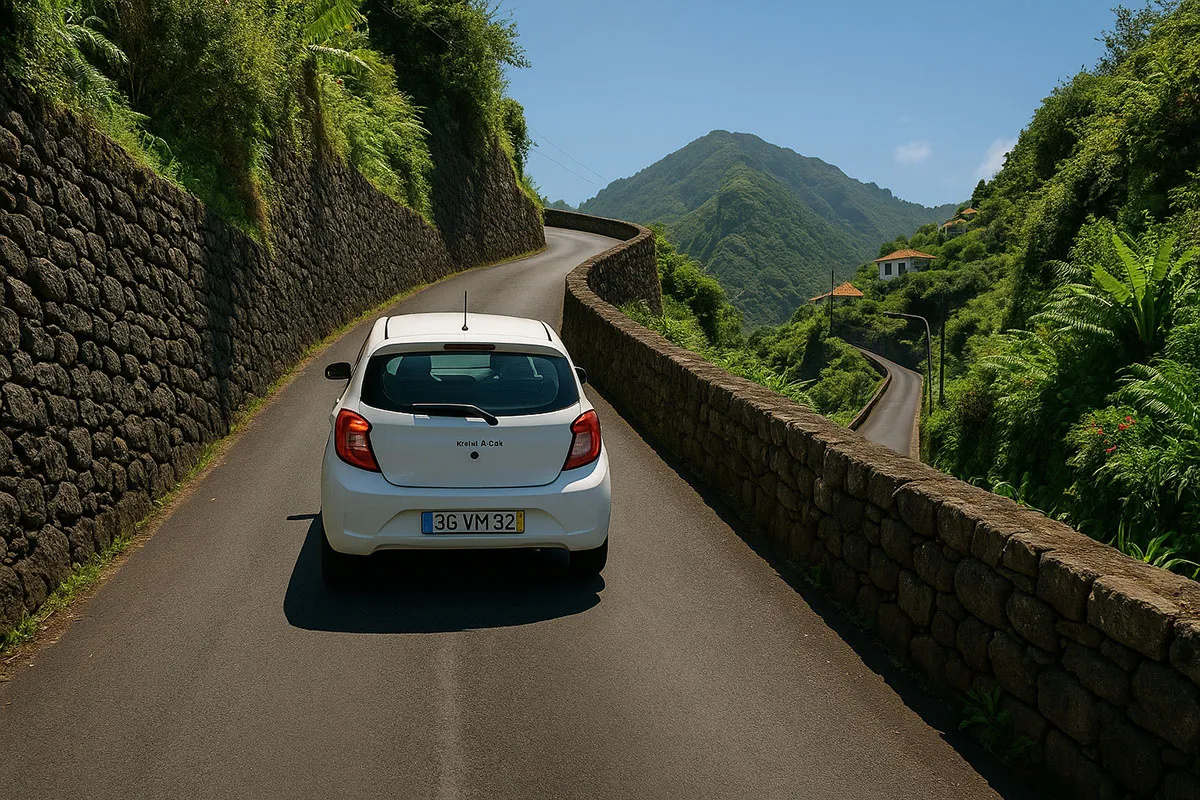
Driving in Madeira means dramatic mountains, endless tunnels and steep roads. Here is what we learned about costs, parking and whether a rental is essential.
Driving in Madeira is an experience in itself: dramatic mountains, tunnels that seem endless and a new viewpoint around every bend. But do you really need a rental car, or can buses, taxis, ride-hailing and transfers do the job?
Can you explore Madeira without a car?
Buses: inexpensive but slow
Public buses work well within Funchal and connect several towns. They are affordable, but schedules become limited in rural areas and reaching trailheads may require long waits or multiple connections.
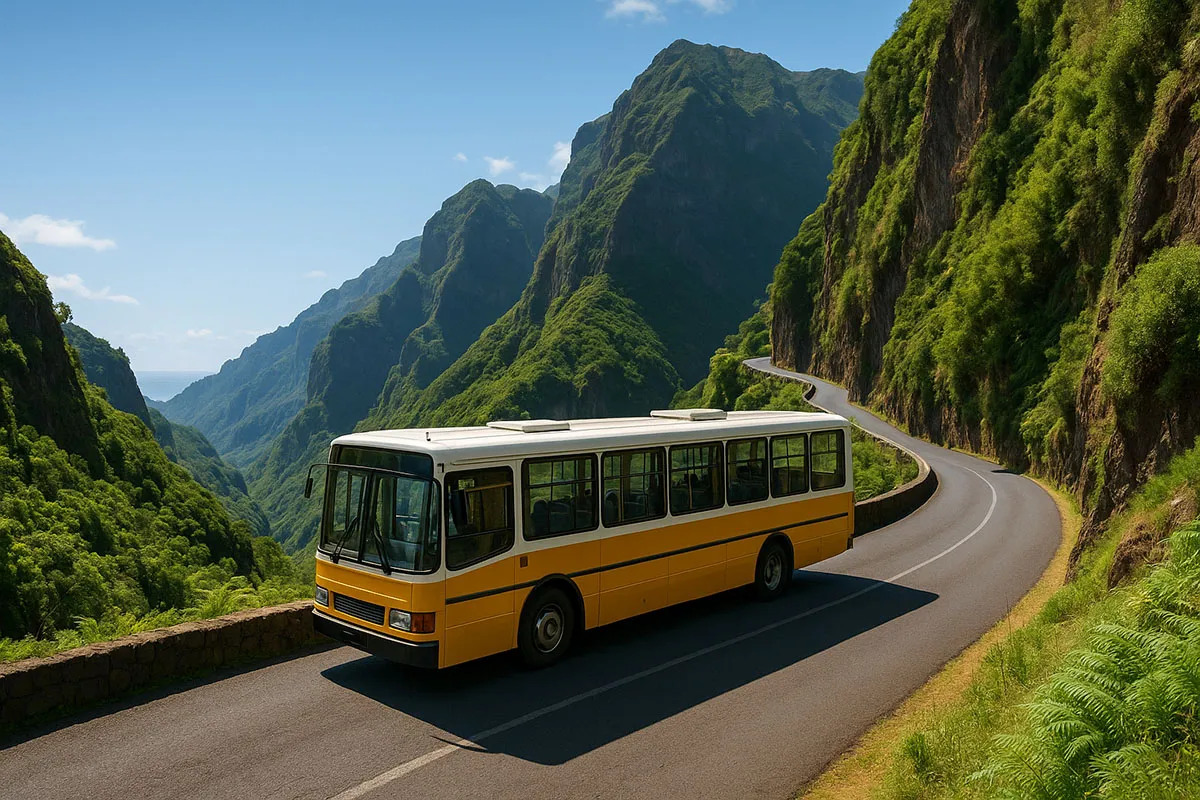
For a city-focused trip, buses can be enough. For waterfalls, levadas, remote viewpoints and spontaneous stops, they restrict the itinerary.
Taxis: immediate comfort at a price
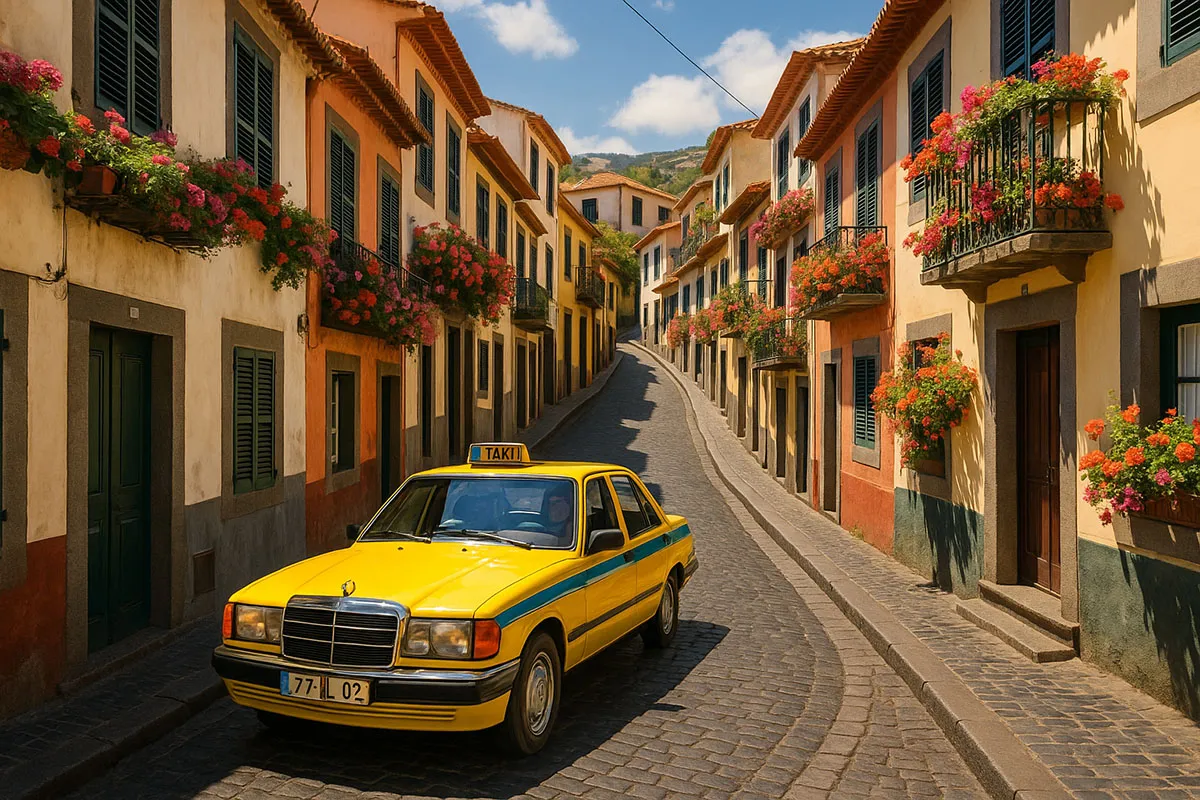
Taxis are easy to find in Funchal and useful for airport transfers or a specific excursion. Repeated long journeys, however, quickly cost more than a rental.
Uber and Bolt
Both are convenient around Funchal and the airport. Availability becomes less reliable farther from the capital, and a driver may not be waiting when you finish a remote trail.
Transfers
Transfers make sense for specific moments, especially sunrise at Pico do Arieiro, when driving a narrow mountain road in darkness is not attractive. Guided transport can also solve point-to-point hikes where the start and finish differ.
When can you skip the rental?
You can manage without a car if you stay in Funchal, plan only a few organized excursions and are happy to use buses or ride-hailing for urban trips. A short city break does not automatically justify rental, fuel and parking.
If your itinerary includes several trails, Porto Moniz, Fanal, Santana and spontaneous coastal stops, a car provides freedom that public transport cannot match.
What you need to drive
Visitors need a valid driving licence accepted in Portugal, identification, the rental agreement and insurance documents. Confirm whether your licence requires an International Driving Permit before travelling. A credit card in the main driver’s name is commonly required for the deposit.
Choose insurance carefully. Madeira’s narrow roads, stone walls and tight parking spaces make minor damage more plausible than on a flat, wide road network.
Rental prices and fuel
Prices vary sharply by season, transmission and how early you book. Manual cars are cheaper and much more common. Automatic vehicles cost more and sell out sooner.
A very small engine may struggle on steep climbs, especially with passengers and luggage. At the same time, a large SUV becomes stressful on village roads and in underground garages. A compact car with adequate power is the best compromise.
Fuel is more expensive than in North America, but distances on the island are short. We spent less on fuel than expected because tunnels and modern expressways connect distant areas efficiently.
The challenge and adventure of driving in Madeira
The main roads are excellent. The difficult part begins when navigation sends you through older villages, steep residential streets or narrow access roads to trailheads.
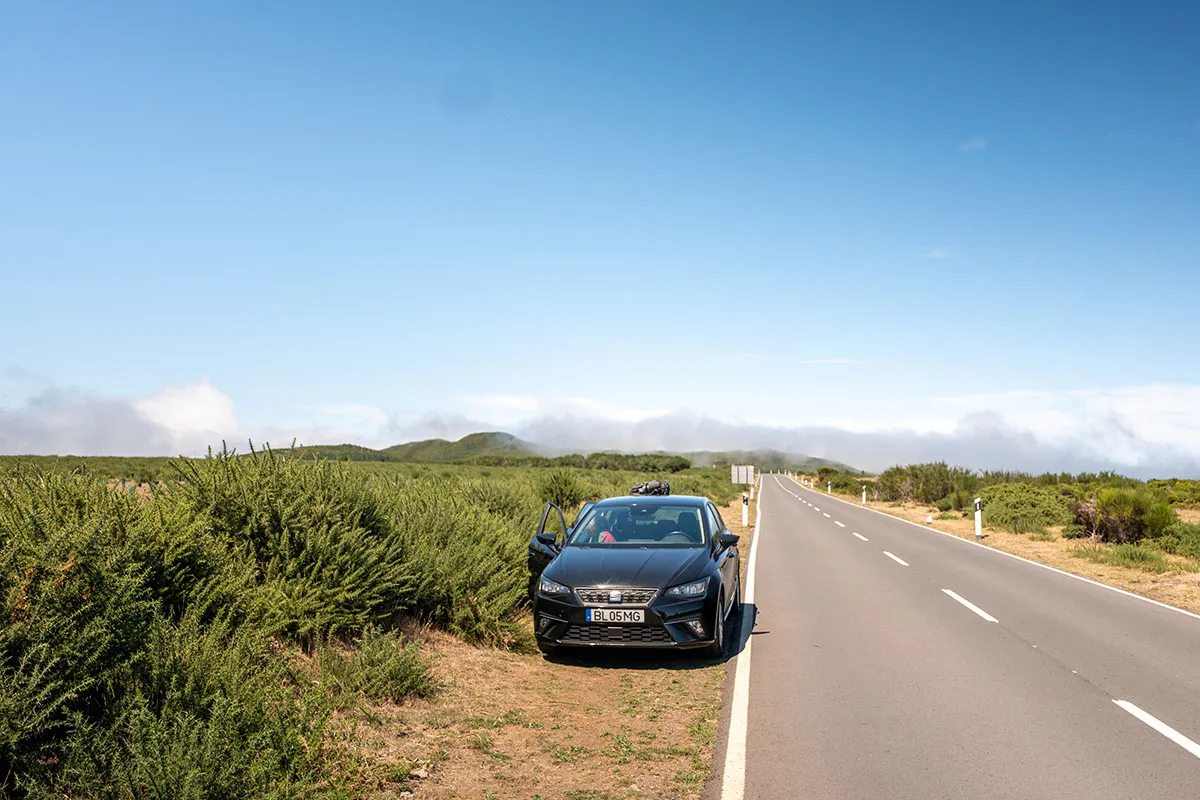
Some climbs feel almost vertical. Use low gears, keep distance from the vehicle ahead and do not stop where restarting will be difficult. On descents, engine braking protects the brakes.
An island of tunnels
Madeira’s tunnels are an engineering marvel. They shorten journeys that once required long, winding coastal roads. Pay attention to speed changes and remove sunglasses before entering darker tunnels.
Rapid altitude changes
You can move from sea level to the mountains very quickly. The pressure change may bother sensitive ears, and the weather can shift from sun to fog within minutes. Carry a light layer even when the coast is hot.
Parking: free or paid?
Funchal relies heavily on paid street parking and garages. Blue zones require payment, while markings and signs determine restrictions. Never assume an apparently empty space is legal.
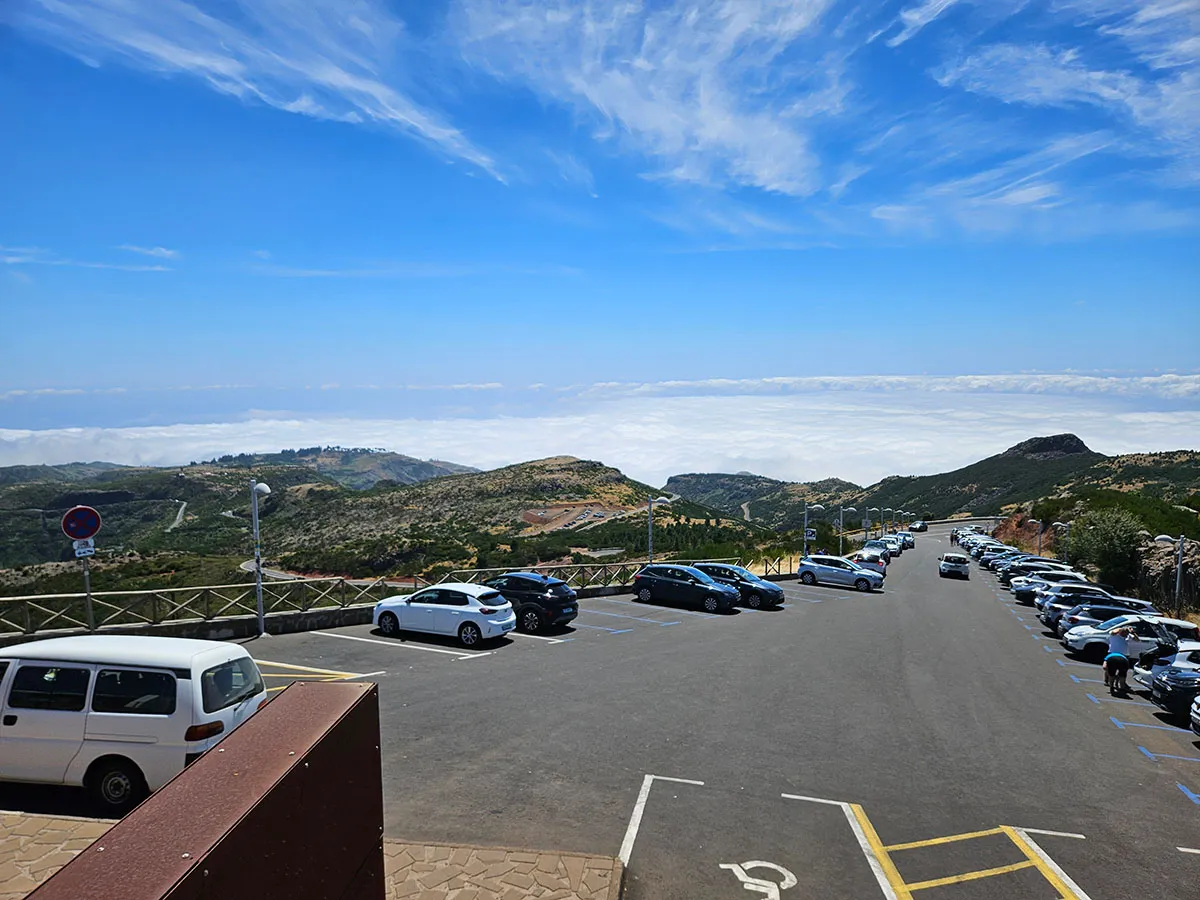
Popular trailheads fill early. At Caldeirão Verde, the hourly lot cost us €10; at Pico do Arieiro, we paid €5 in a more distant area. In smaller towns and viewpoints, free spaces still exist but require patience.
Practical ways to save
- Book early, particularly if you need an automatic.
- Compare the final price including insurance and deposit, not only the daily rate.
- Photograph every side of the car at pickup and return.
- Choose a compact vehicle with enough power for steep roads.
- Check whether your hotel includes parking.
- Download offline maps, but question any route that looks too narrow.
- Use transfers for difficult sunrise drives instead of paying for a car every day solely for one excursion.
Our recommendation
Yes, renting a car in Madeira was worth it for us. It allowed us to combine trails, villages and viewpoints on our own schedule. The roads demanded attention, but the freedom outweighed the stress.
For travellers staying mainly in Funchal, the answer can be no. Build the itinerary first, count the remote days and compare rental plus parking with tours and transfers. Madeira can be enjoyed without a car, but the island reveals much more when you can stop wherever the landscape tells you to.
Read also
Was this post useful?
Rate your reading experience.