

Are all Funchal cable cars worthwhile? Is Mercado dos Lavradores essential or a tourist trap? After using Funchal as our base for more than a week, we tested its main attractions over two days and built this direct guide.
Funchal Through a Reality Filter
During eight days on Madeira, Funchal served as our strategic base. We reserved two full days to test the capital’s most famous attractions and separate essentials from tourist traps and blogger marketing.
If you want an unfiltered assessment from travelers who explored the whole island, this guide goes directly to what deserves your time and money.
Sea or Mountains? Accommodation Changes the City
Funchal, with just over 105,000 residents, forms a natural amphitheater. The waterfront feels like a resort city with rock pools and polished scenery. Staying uphill in Monte, as we did, creates the atmosphere of a historic estate surrounded by nature.
Our choice was strategic: a quiet boutique hotel and easy access to mountaintop attractions without a car for two days. The climate up there is literally different and invites a slower perspective.
Babosas Village
Babosas Village had five-star reviews before we booked, and our experience matched them.
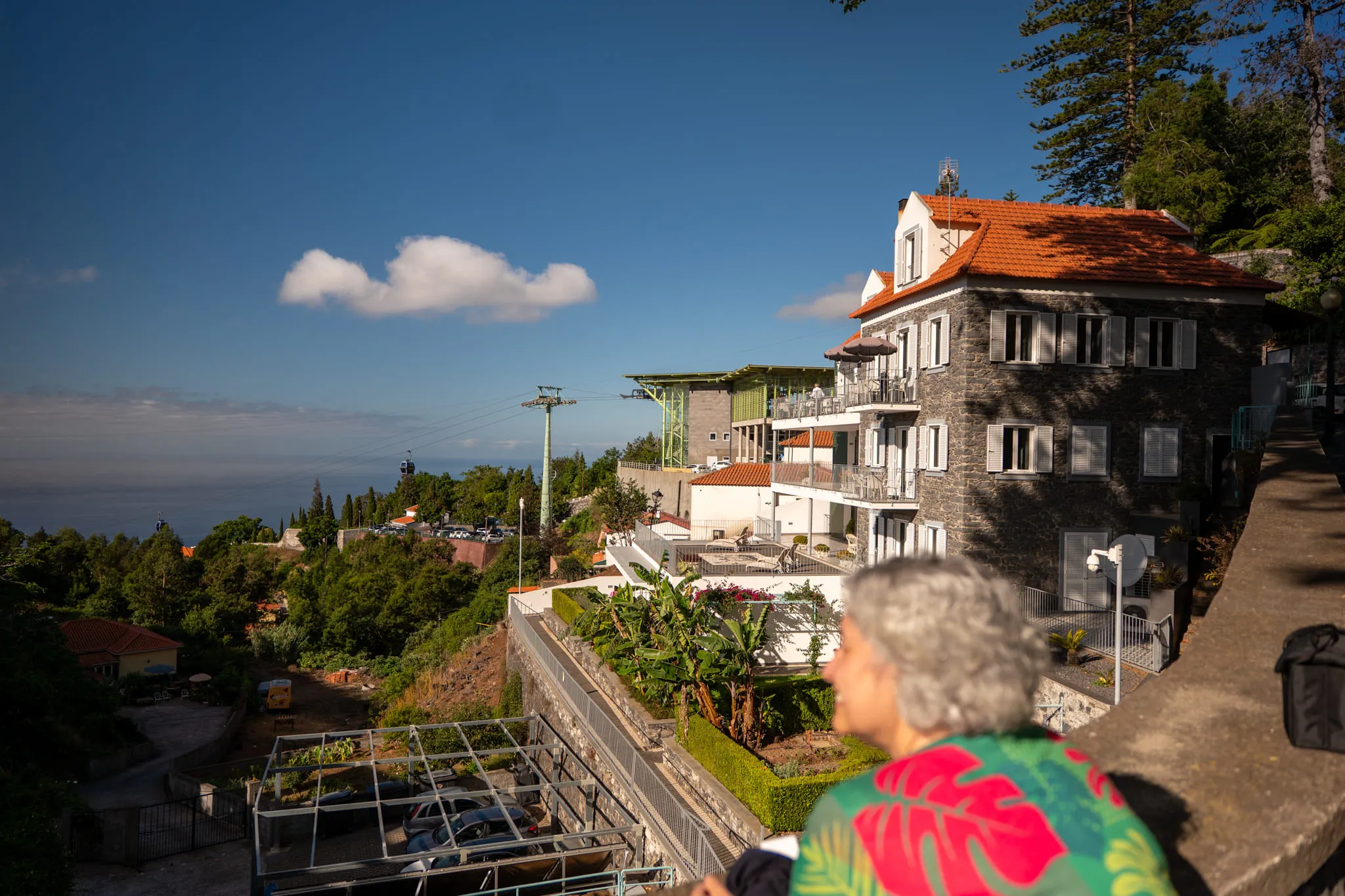
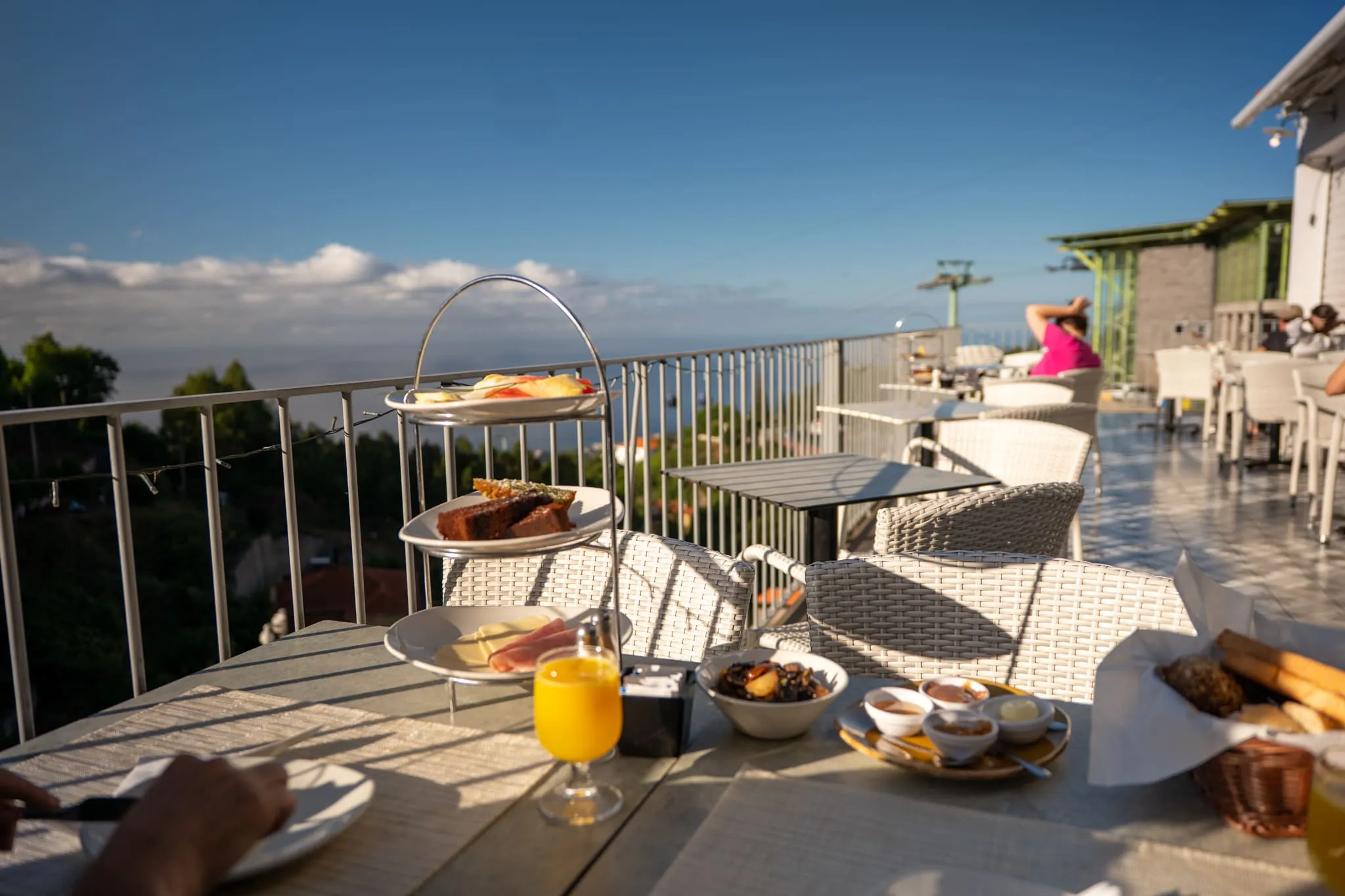
- Cleanliness: 10/10
- Service: Michelin-level staff
- Restaurant and amenities: 10/10
- Location: 6/10, difficult by car but ideal for walking around Monte
- Price: normally expensive, though we found a 35% introductory Airbnb discount
1. Funchal–Monte Cable Car
Opened in 2000, it revived the route of the former steam-powered Monte Railway, which operated from 1893 to 1943. It climbs 560 meters in 15 minutes from Almirante Reis Garden in the Old Town to Largo das Babosas.
💰 Approximately €12.50 one way or €18 return.
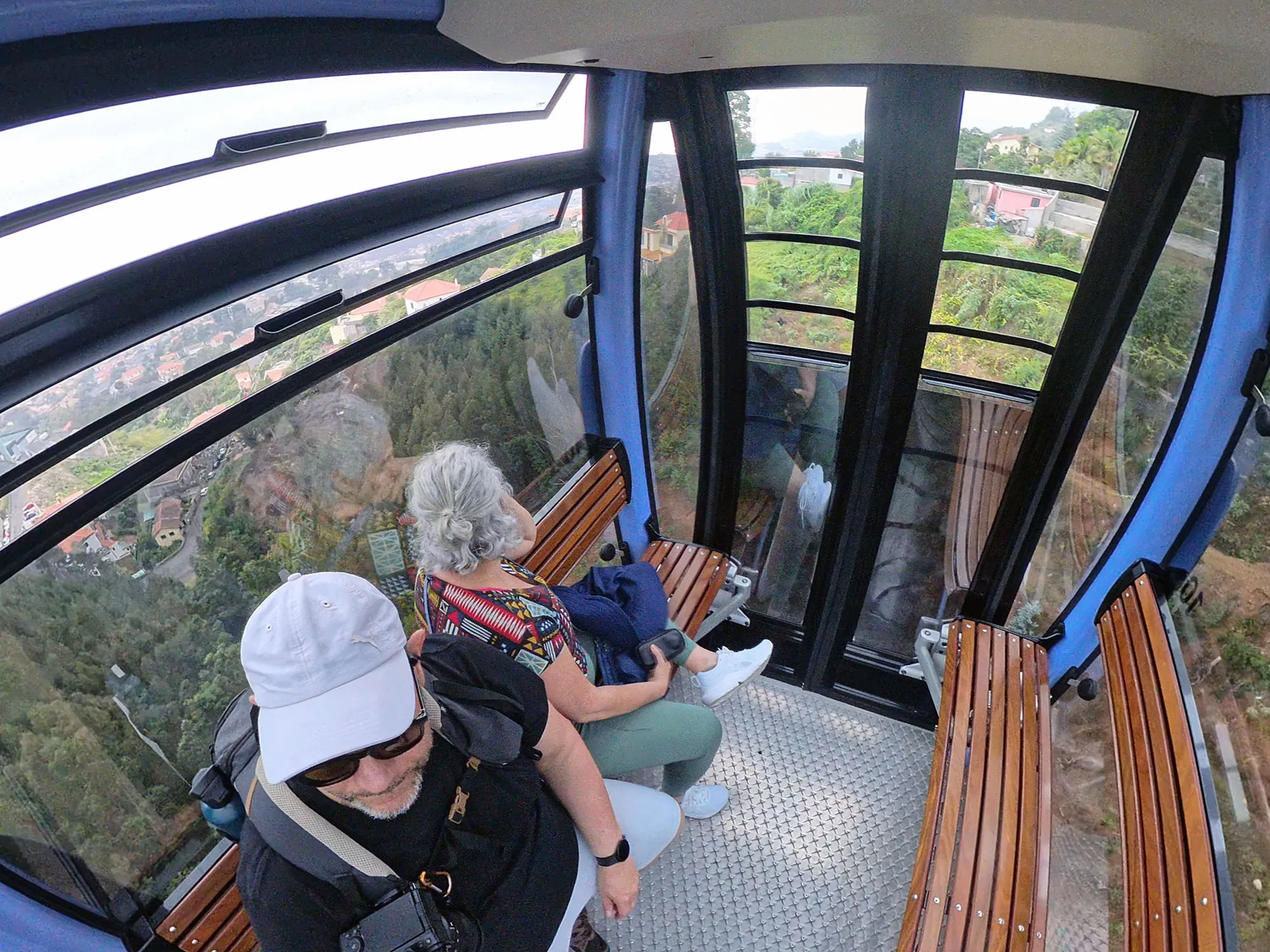
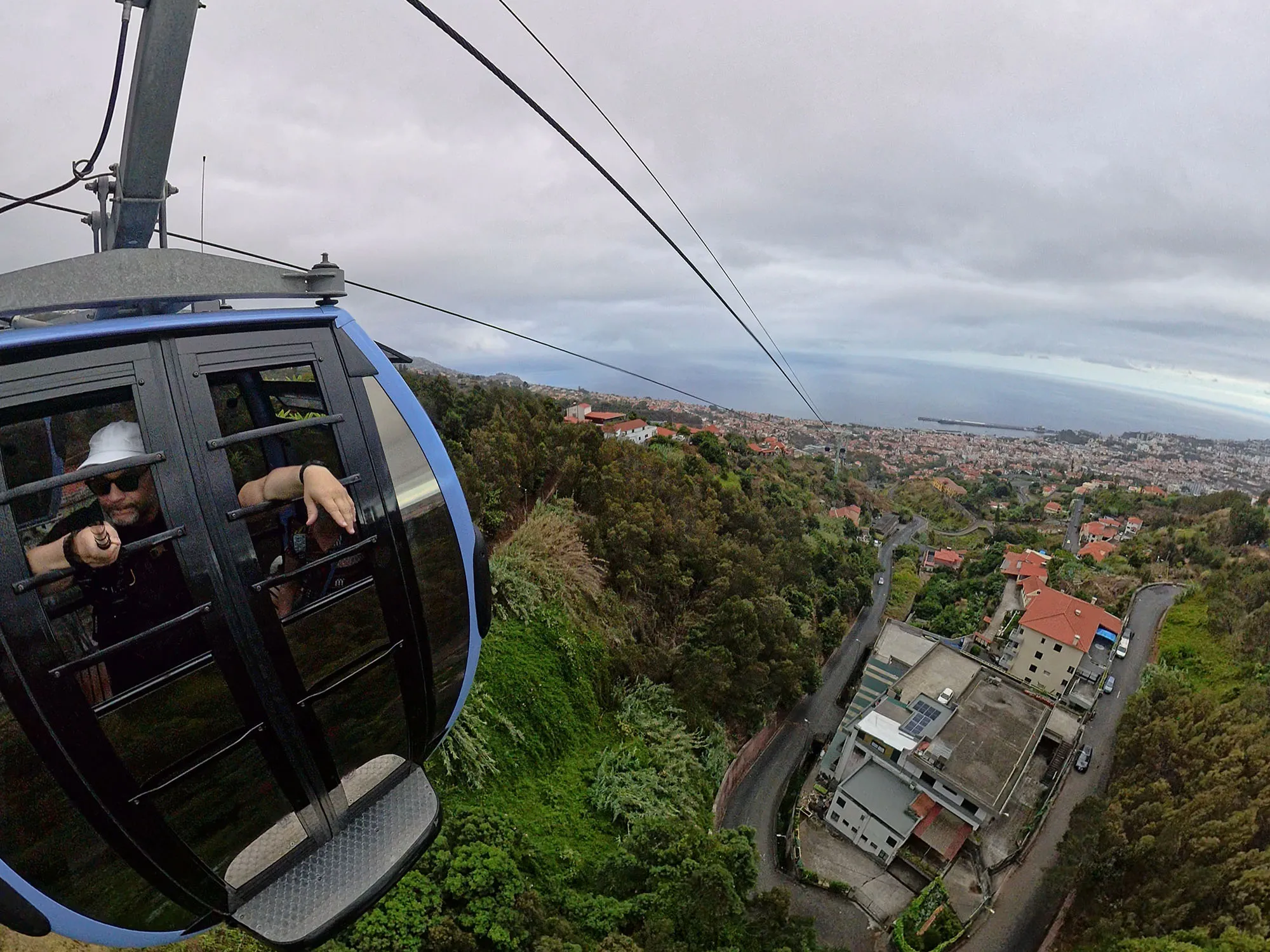
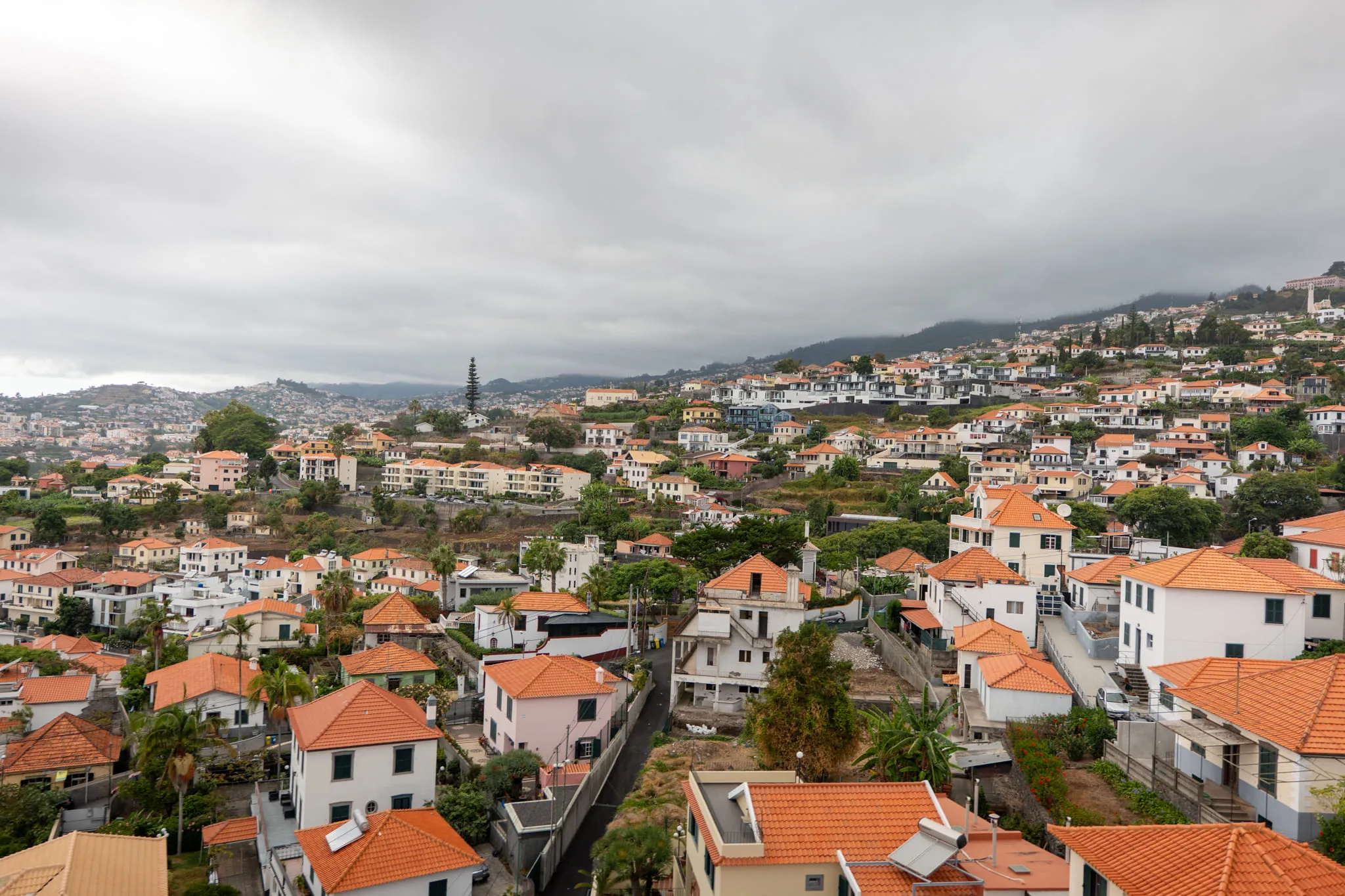
Our verdict: “We expected more,” 4/5. It efficiently connects major attractions and avoids Funchal traffic, but the short visual experience feels expensive.
2. Botanical Garden Cable Car
This aerial link crosses João Gomes Valley between Quinta do Bom Sucesso and Monte, avoiding winding roads.
💰 Approximately €9.25 one way or €14 return, with combination tickets including garden entry.
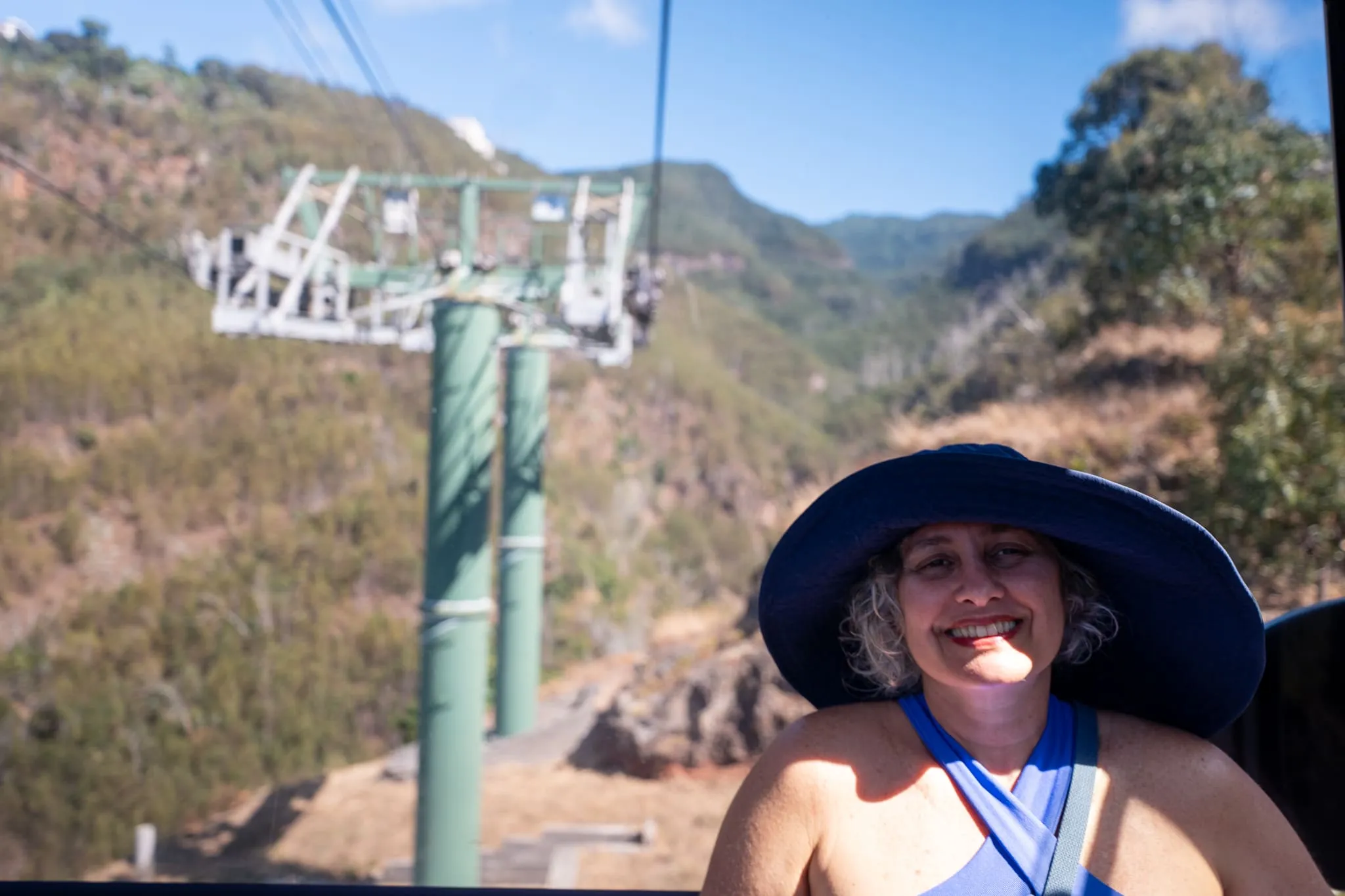
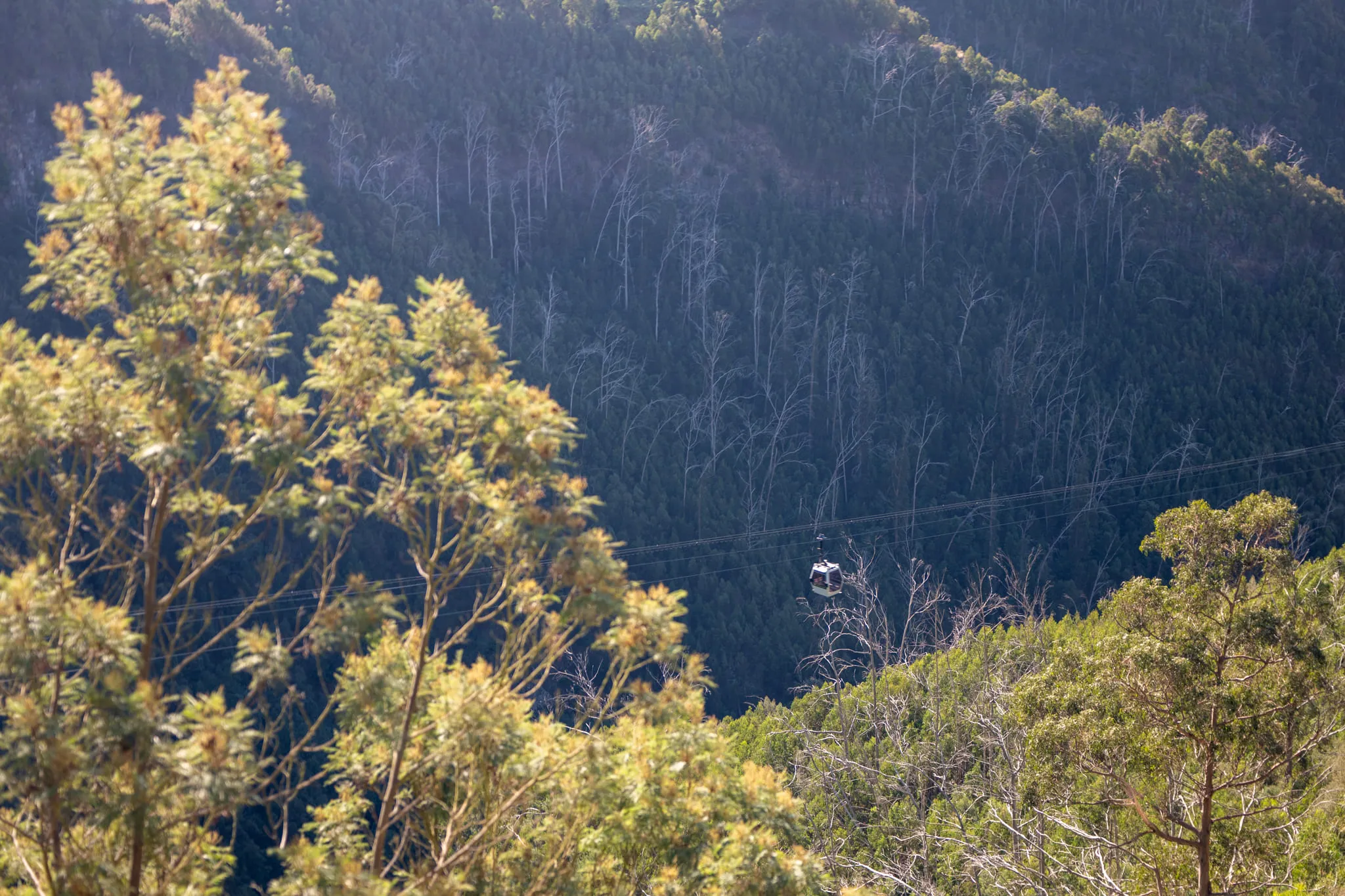
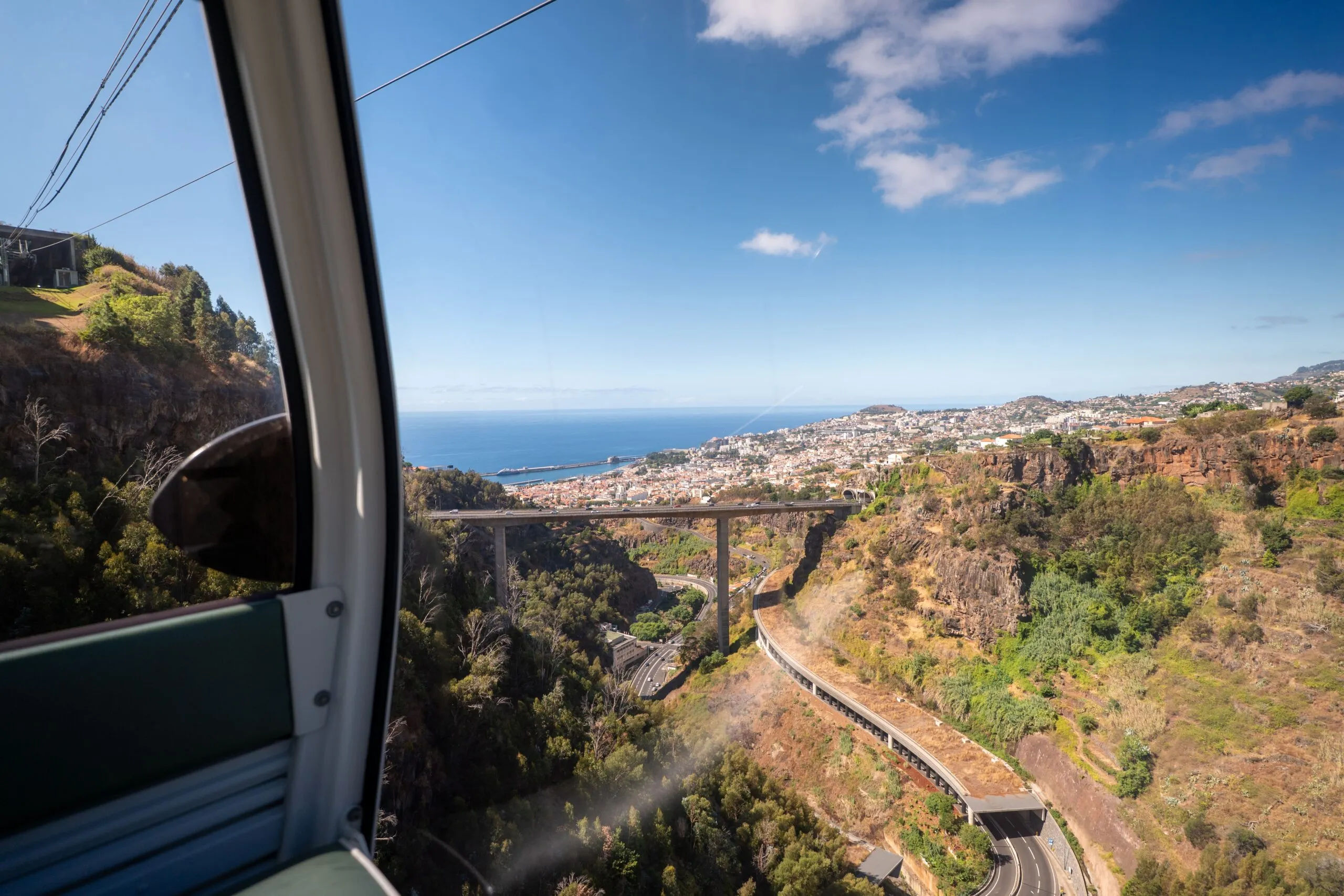
Our verdict: “Just okay,” 3/5. It makes sense from Monte with the garden combination ticket. After Monte Palace, the main Botanical Garden can feel repetitive.
3. Monte Palace Tropical Garden
The property began as an 18th-century estate, later became Madeira’s most sophisticated hotel and was transformed into a garden and museum after José Berardo purchased it in 1988. It is known for 15th-to-20th-century tile panels and Asian influences.
📍 Caminho do Monte 174
💰 Approximately €12.50; accompanied children up to 15 enter free
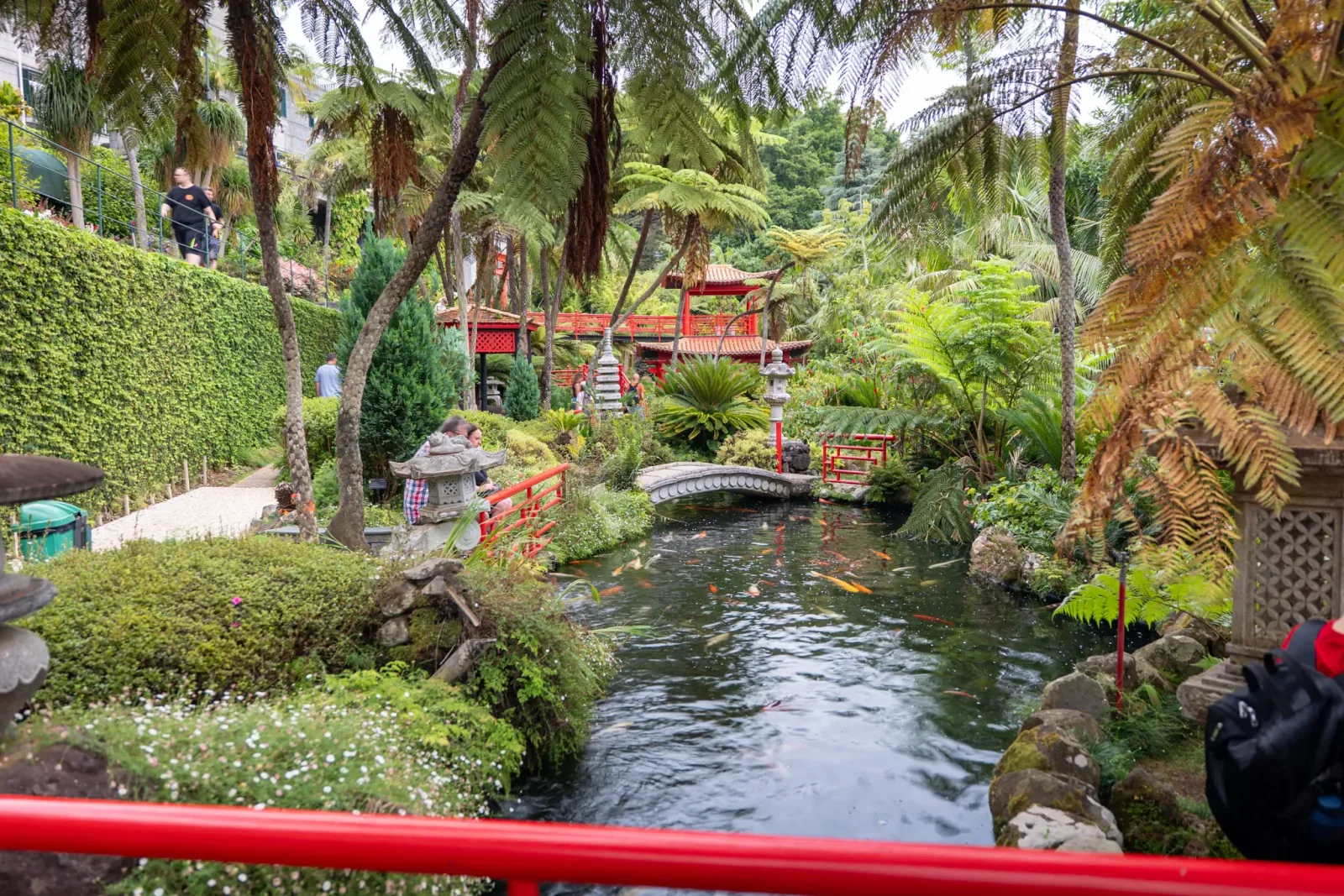
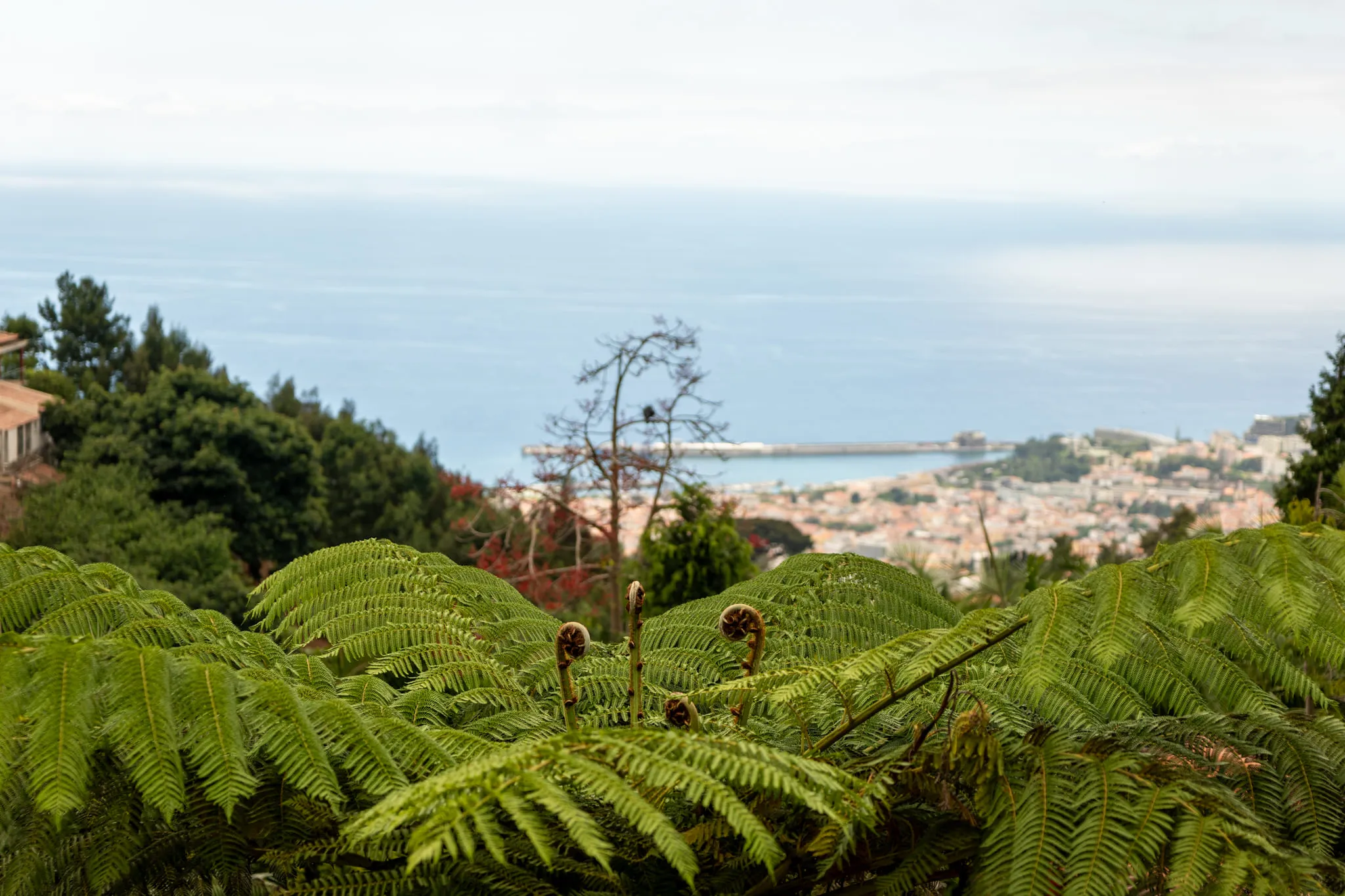
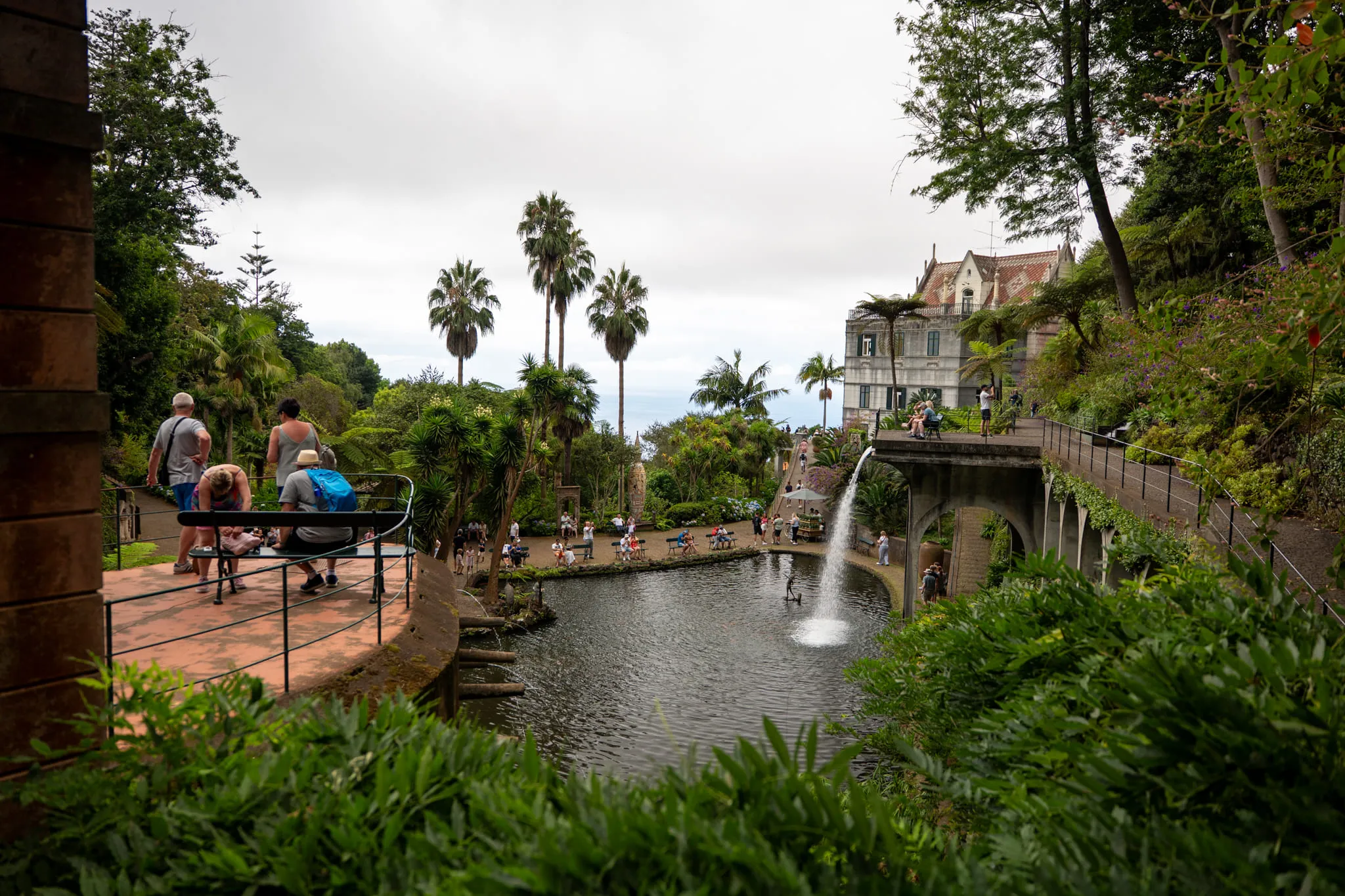
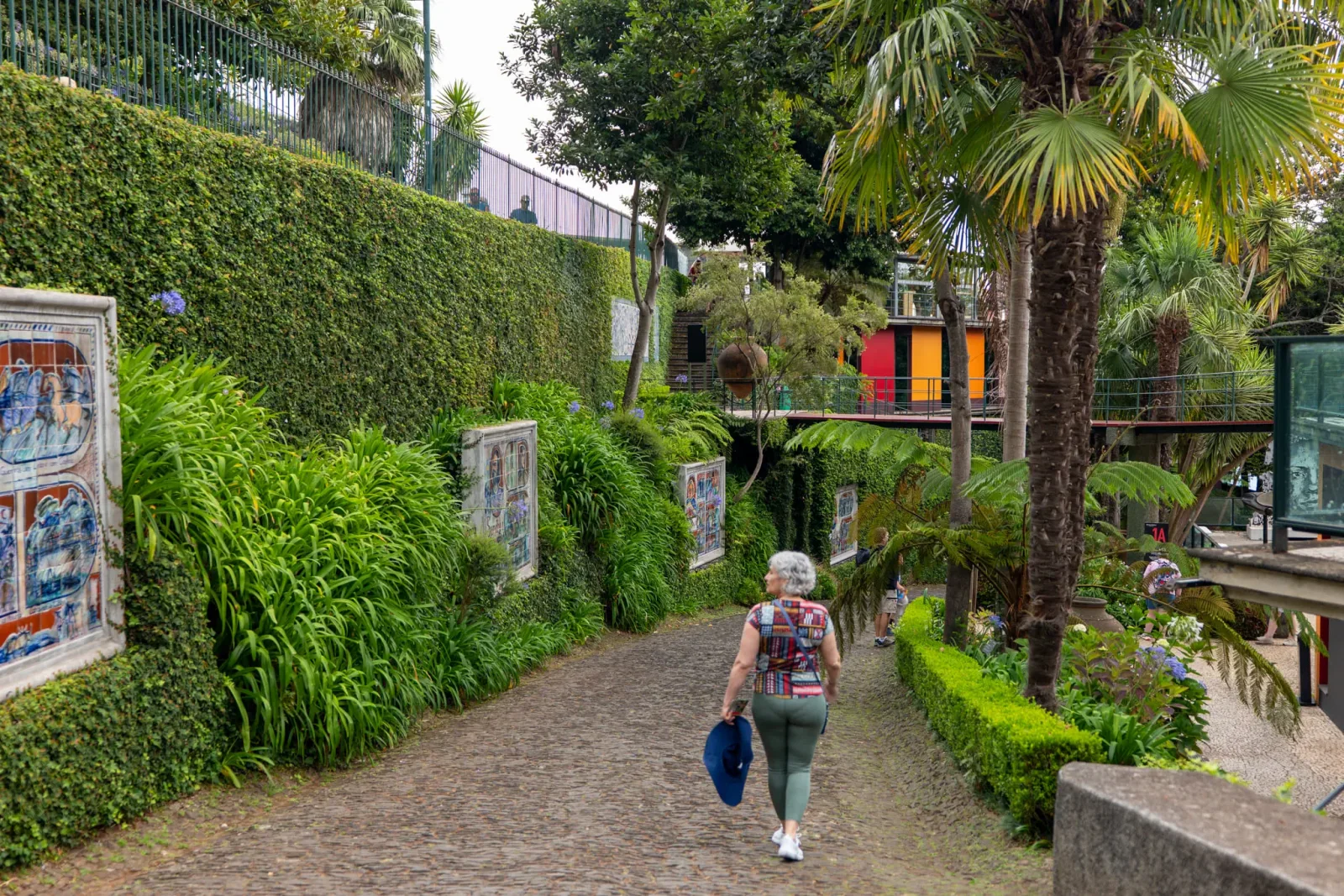
Our verdict: “Good, but…,” 4/5. It may be Madeira’s most photogenic attraction and offers good value. Reserve at least three hours and wear comfortable shoes. Rushing through constant climbs empties the experience and guarantees fatigue.
Read also: Northern Madeira: Volcanic Pools and What I Would Do Differently
4. Madeira Botanical Garden
Created in 1960 on the former Reid family estate, it gathers Macaronesian biodiversity and species from around the world. Its geometric flower mosaic is the signature image.
📍 Caminho do Meio, Quinta do Bom Sucesso
💰 Approximately €7.50
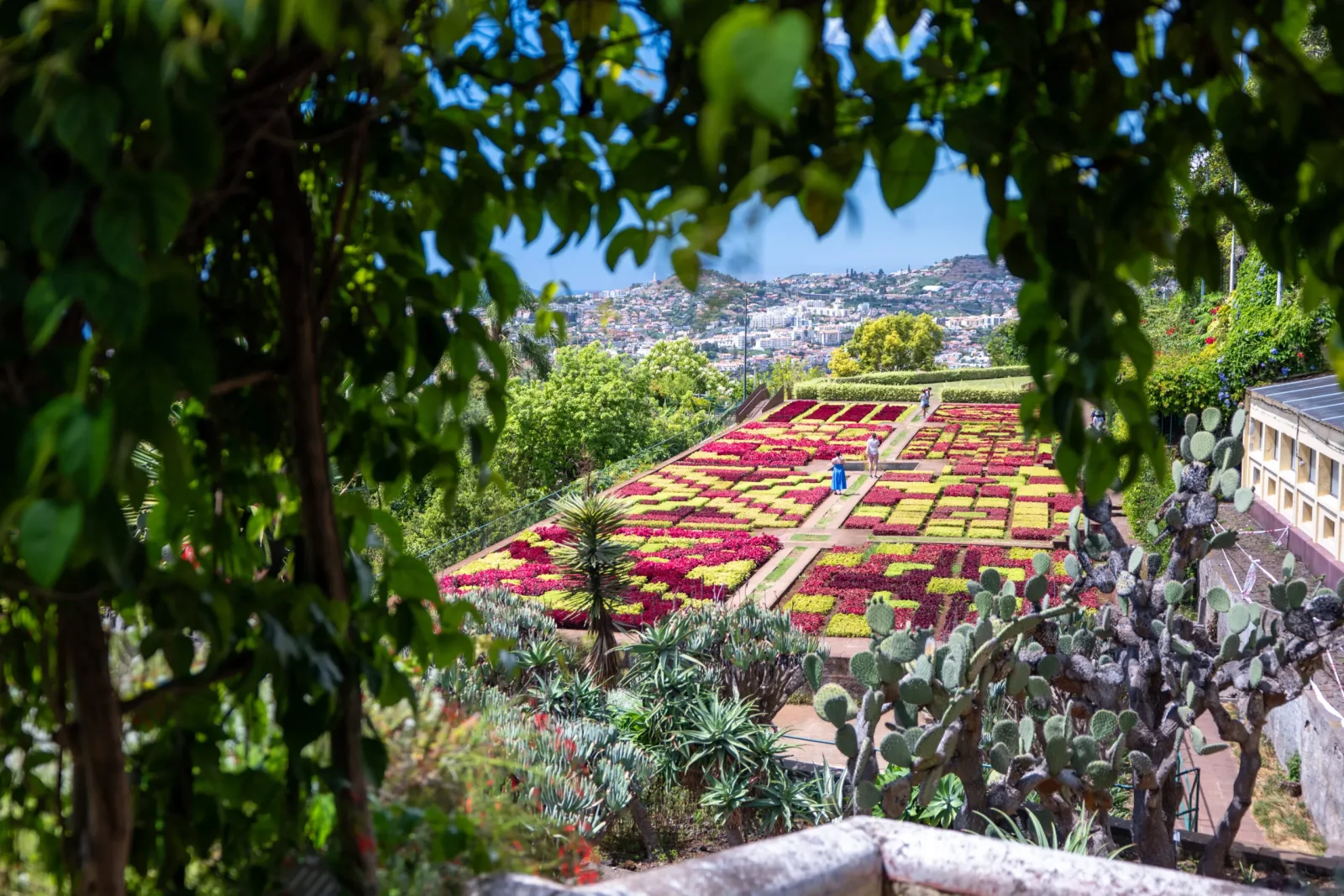
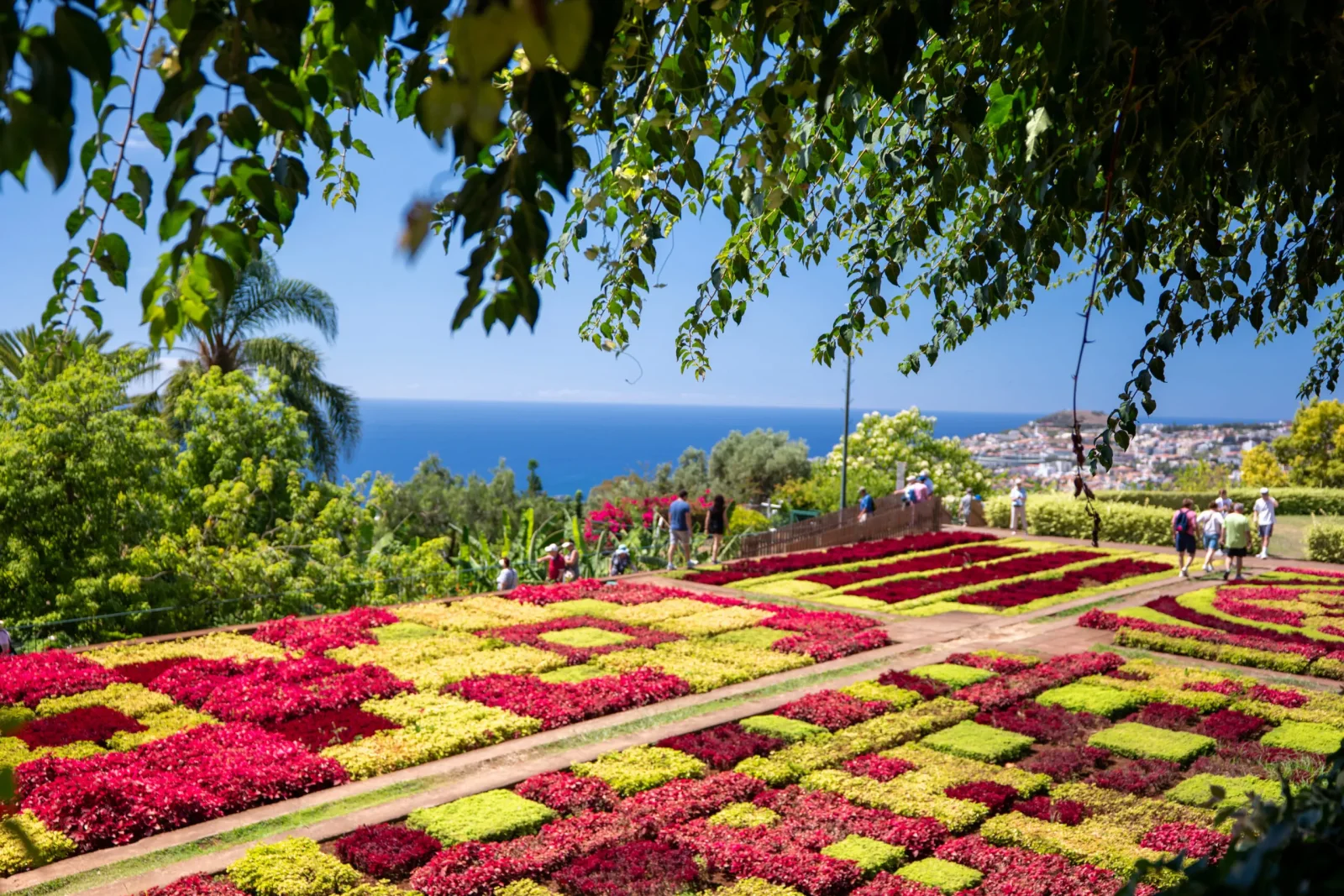
Our verdict: “More Instagram effect,” 3/5. The mosaic and sea view make the classic photo, and serious plant enthusiasts may appreciate the collection. We noticed poor maintenance, and after Monte Palace it felt redundant and consumed too much time.
5. Painted Doors Street
The 2010 Open Doors project brought artists to abandoned doors in the degraded Old Town, turning Rua de Santa Maria into a free outdoor gallery.
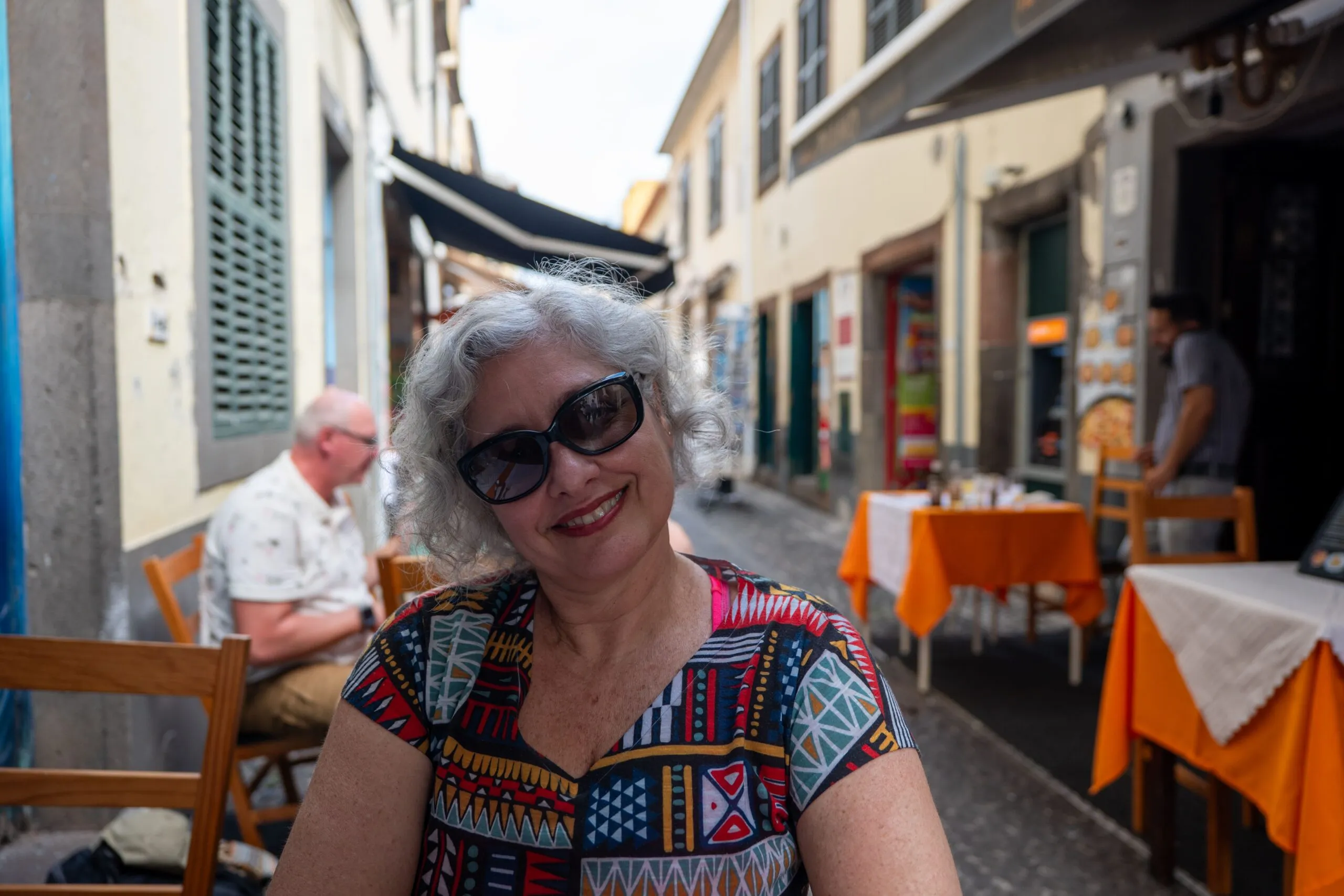
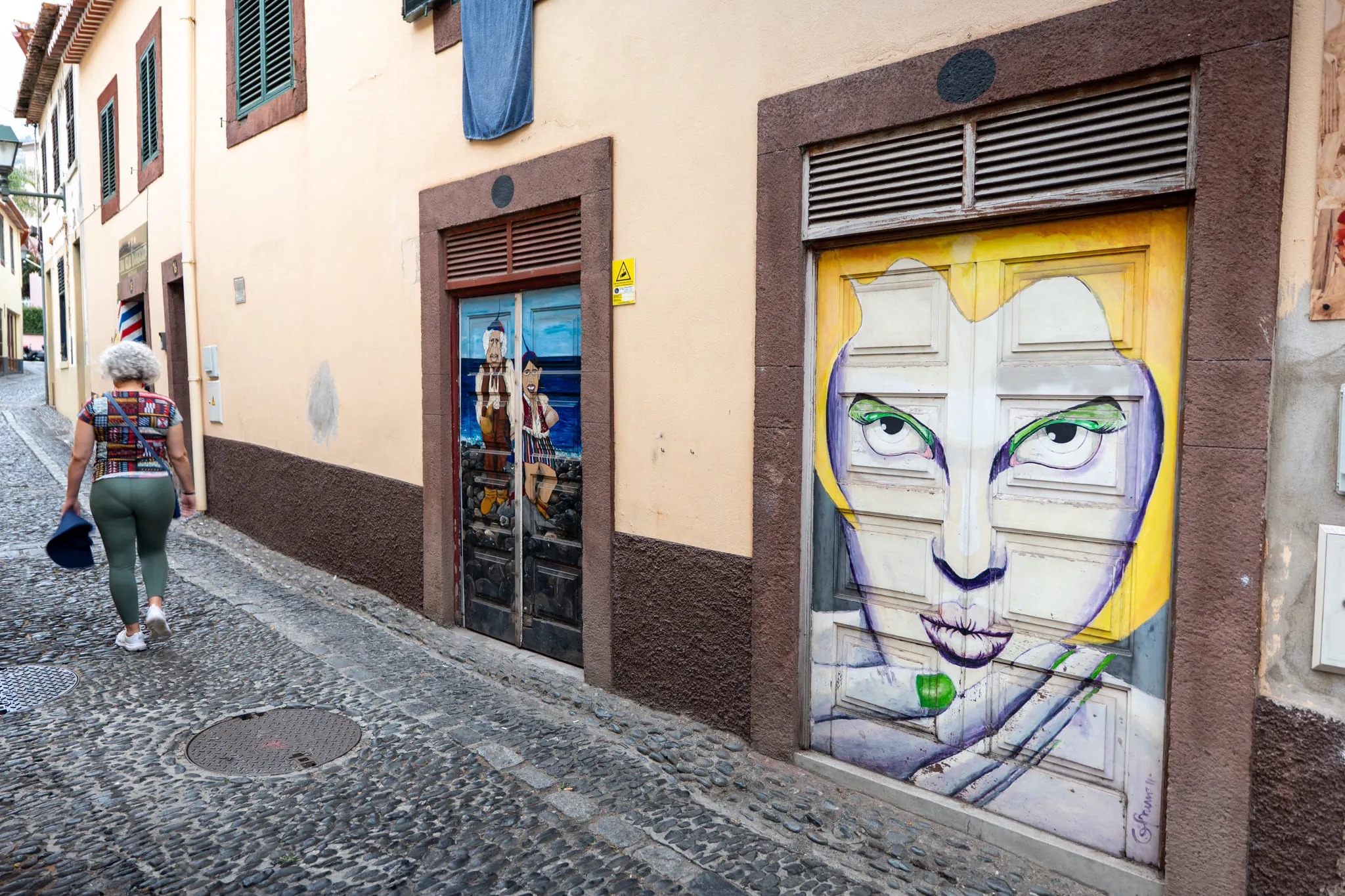
Our verdict: “Irrelevant to the itinerary,” 2/5. The concept creates a few colorful photographs, but the street has become a tourist trap full of expensive foreign-run restaurants offering generic food rather than Madeiran authenticity.
6. Mercado dos Lavradores
Opened in 1940, the market combines Art Deco and modernism. Entrance tile panels from Fábrica de Sacavém show traditional scenes from its history as the island’s supply center.
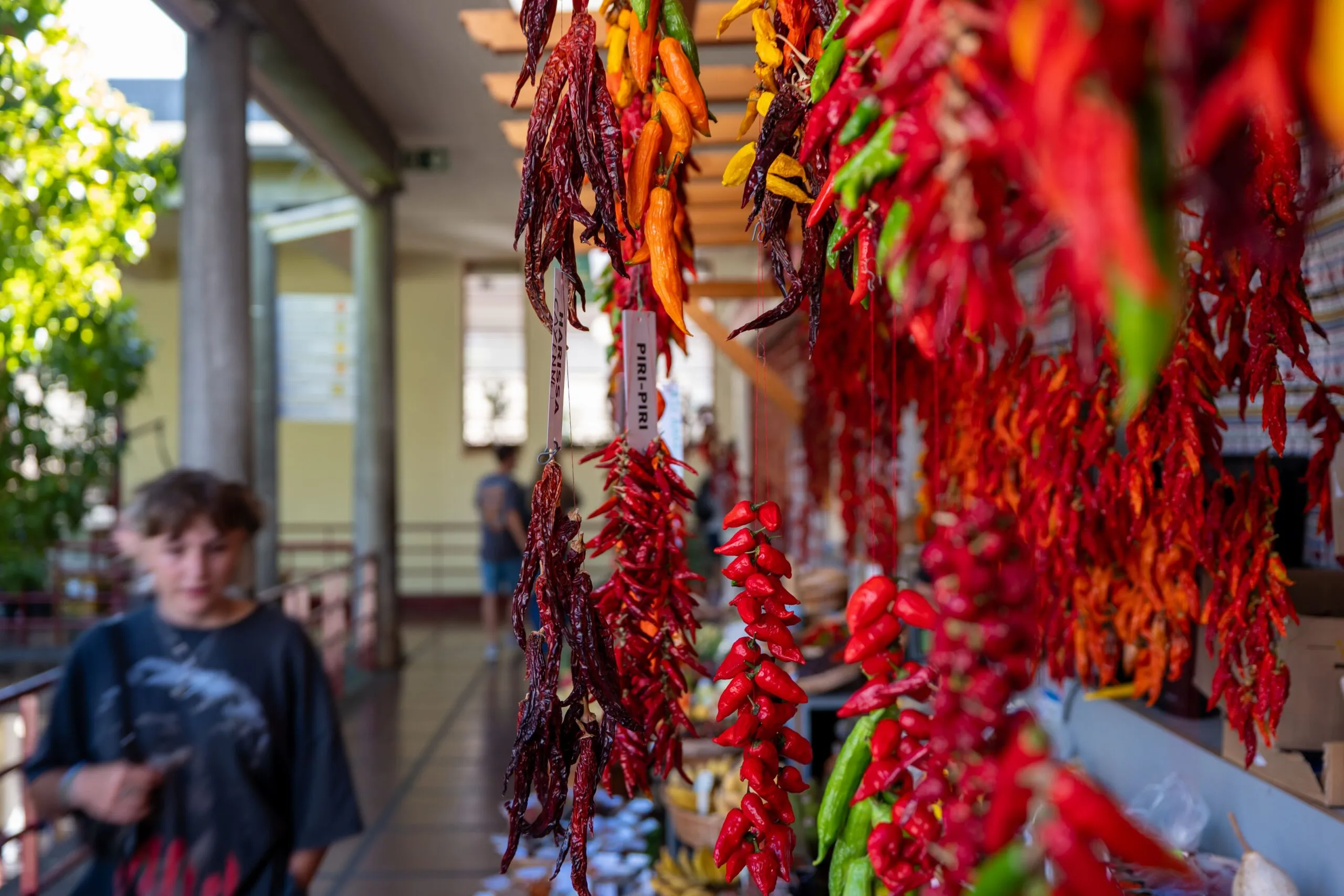
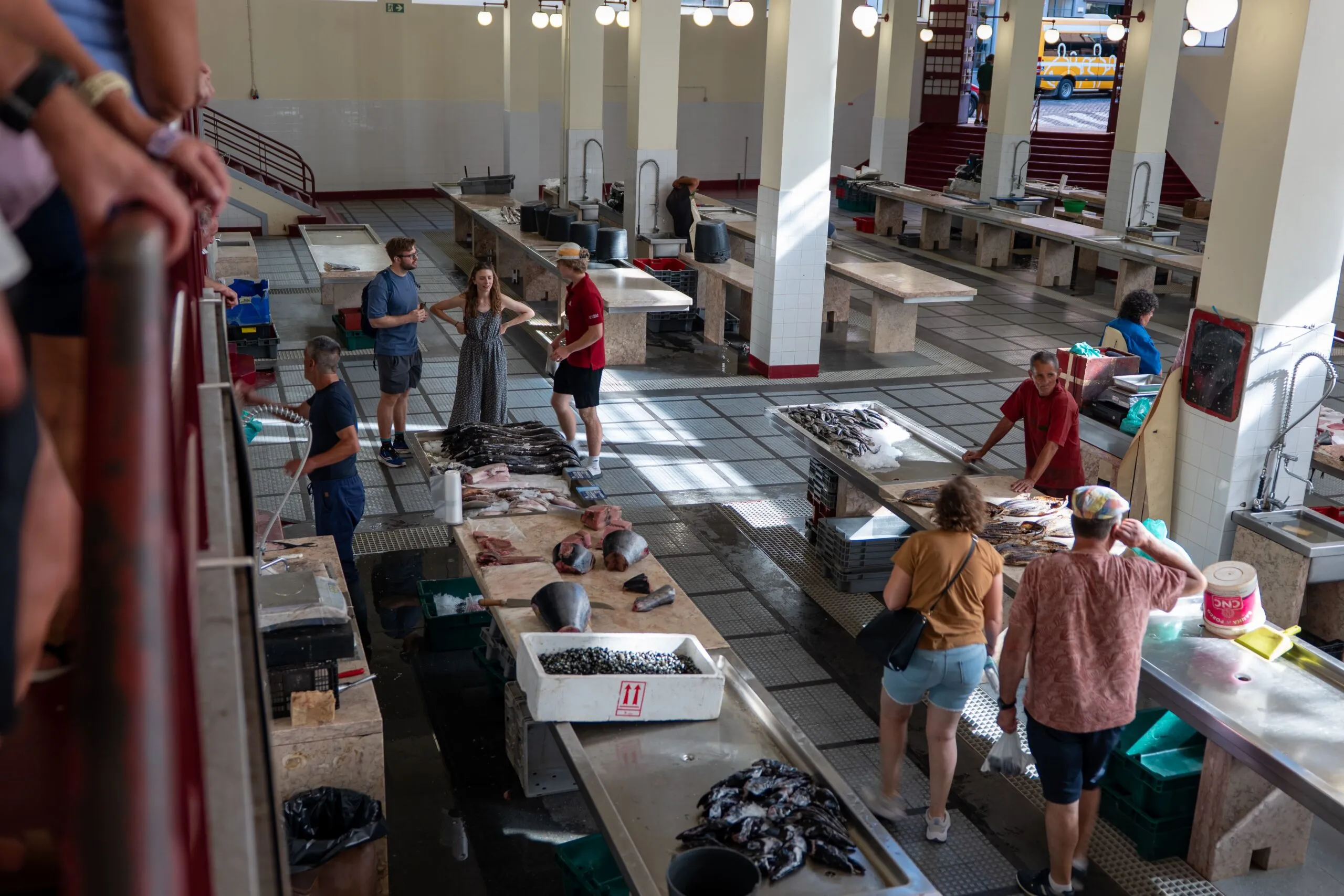
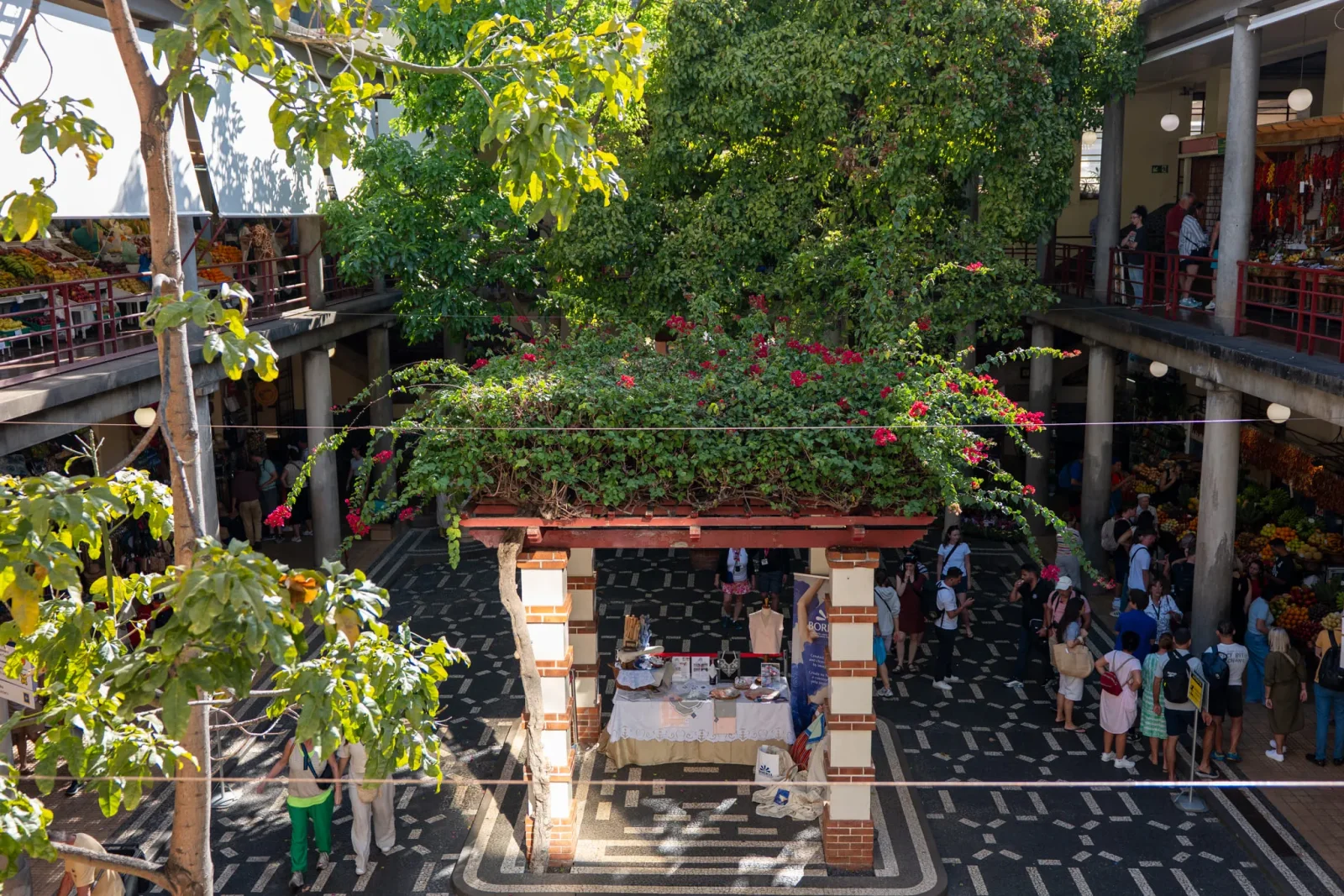
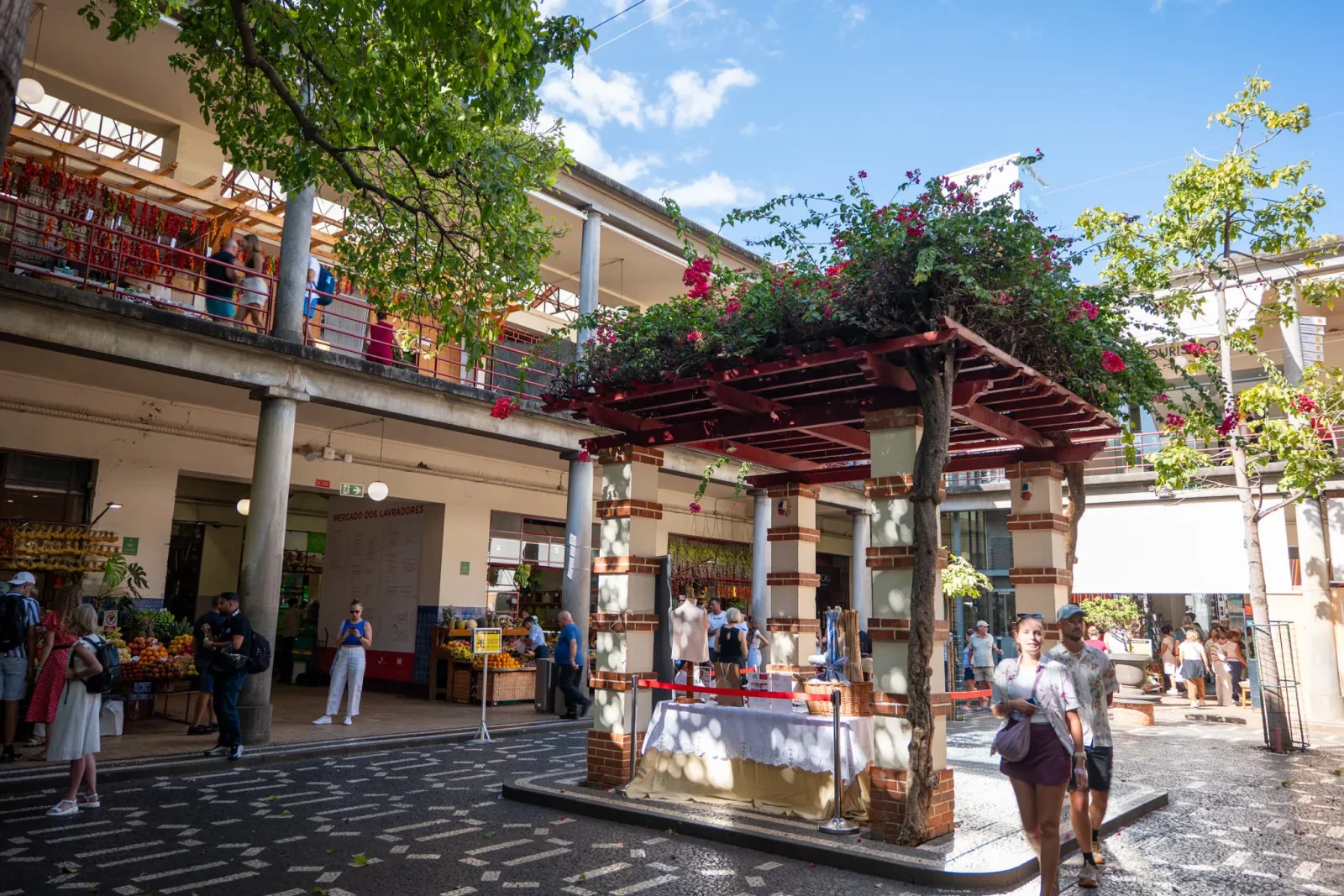
Our verdict: “Only okay,” 3/5. The architecture and tiles deserve a quick stop, but the market is small. Expect persistent sales pressure and astronomical upstairs fruit prices aimed at unsuspecting visitors.
7. Modern Waterfront and Marina
The area was substantially rebuilt after the 2010 floods. Today the flat leisure corridor includes CR7 Square and contrasts with the city’s steep terrain.
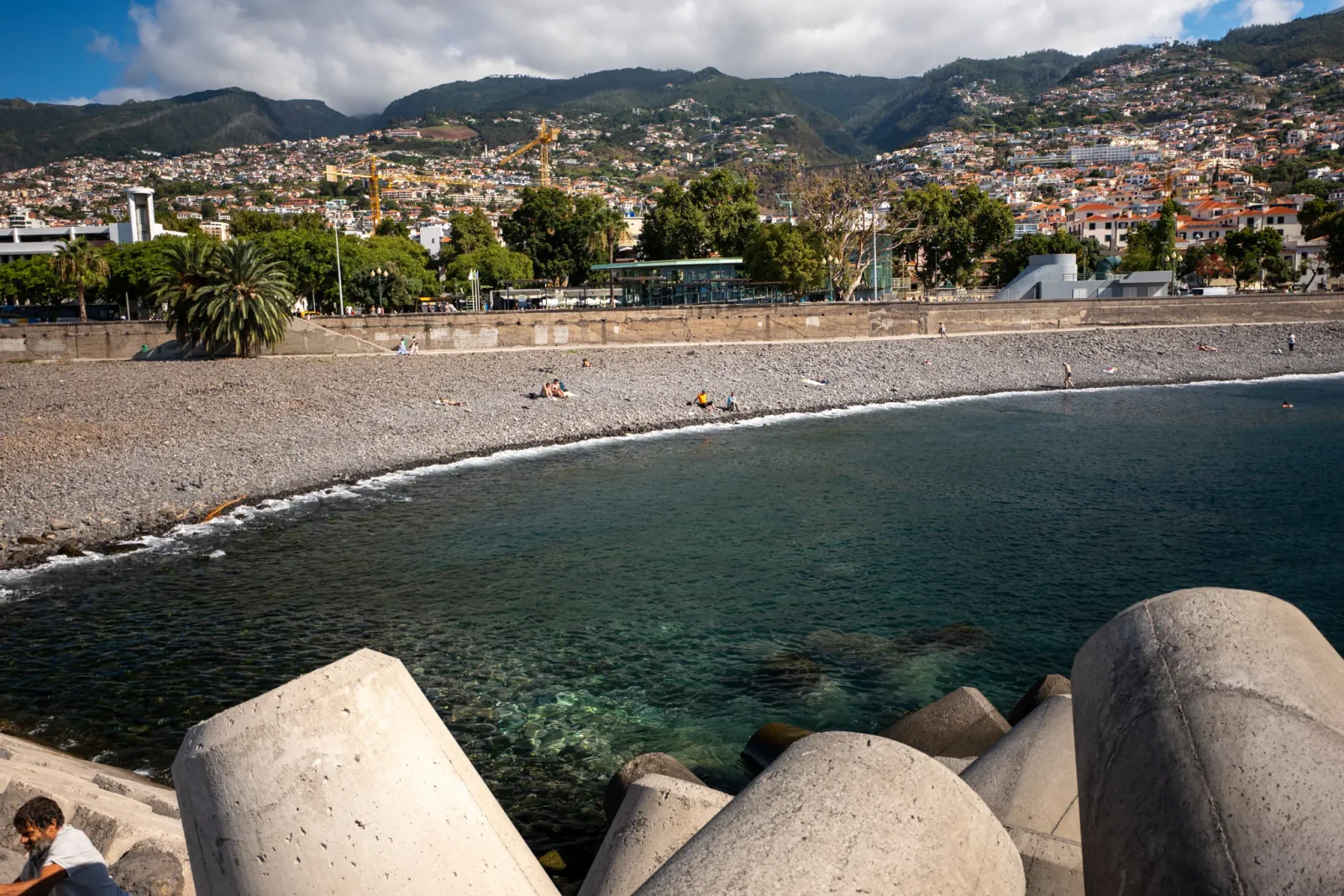
Our verdict: “Interesting,” 4/5. Western Funchal offers better leisure infrastructure, cleaner surroundings and more sophisticated bars and restaurants. The eastern historic sector feels saturated by mass tourism, inflated prices and constant solicitation.
8. Monte Toboggan Ride
Created around 1850 as a fast and radical way down to Funchal, the wicker sledges are now purely tourist-oriented. The carreiros still wear straw hats and thick rubber-soled boots used as brakes.
📍 Beside Church of Our Lady of Monte
💰 Approximately €27.50 for one person or €35 for two
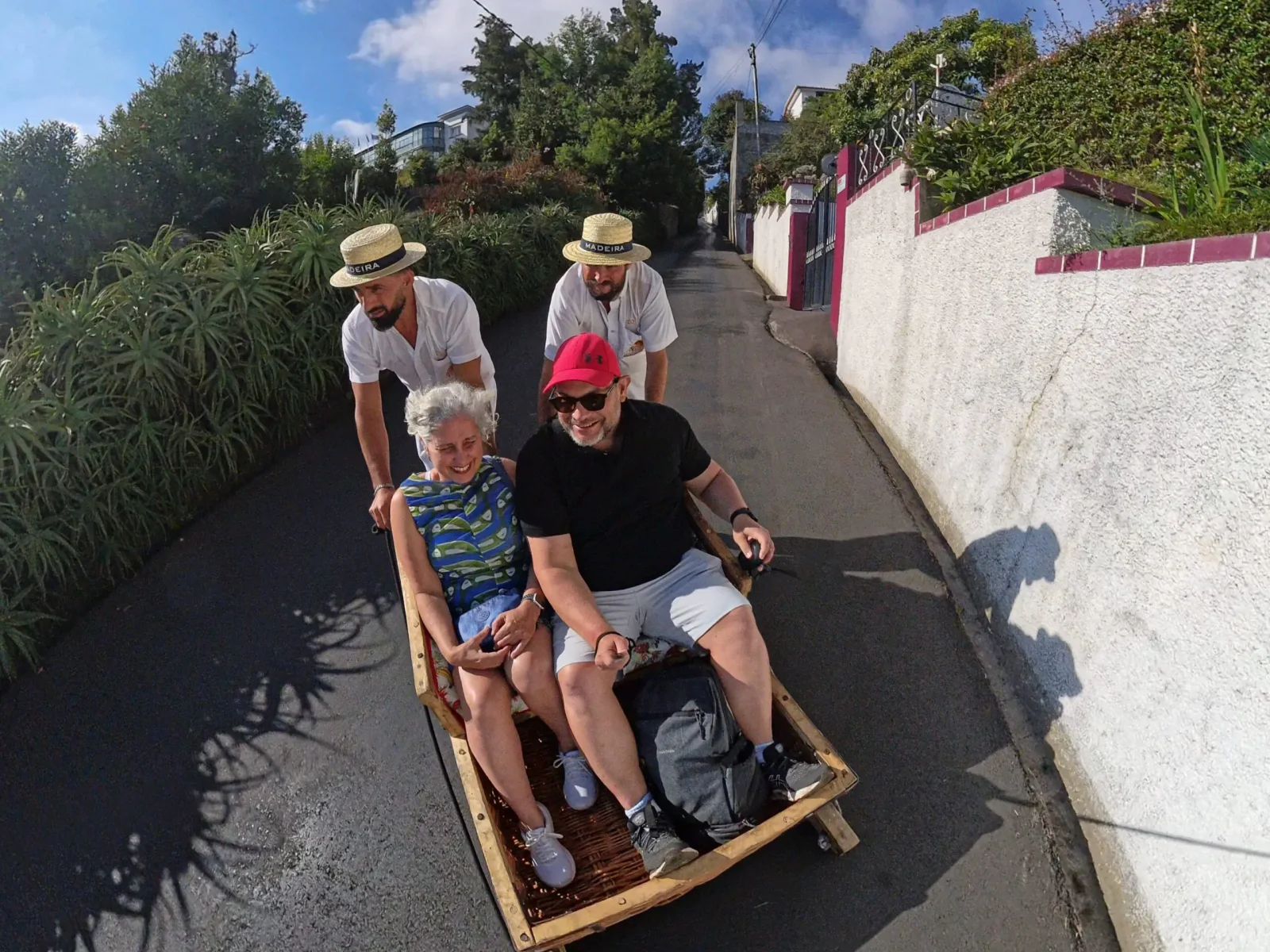
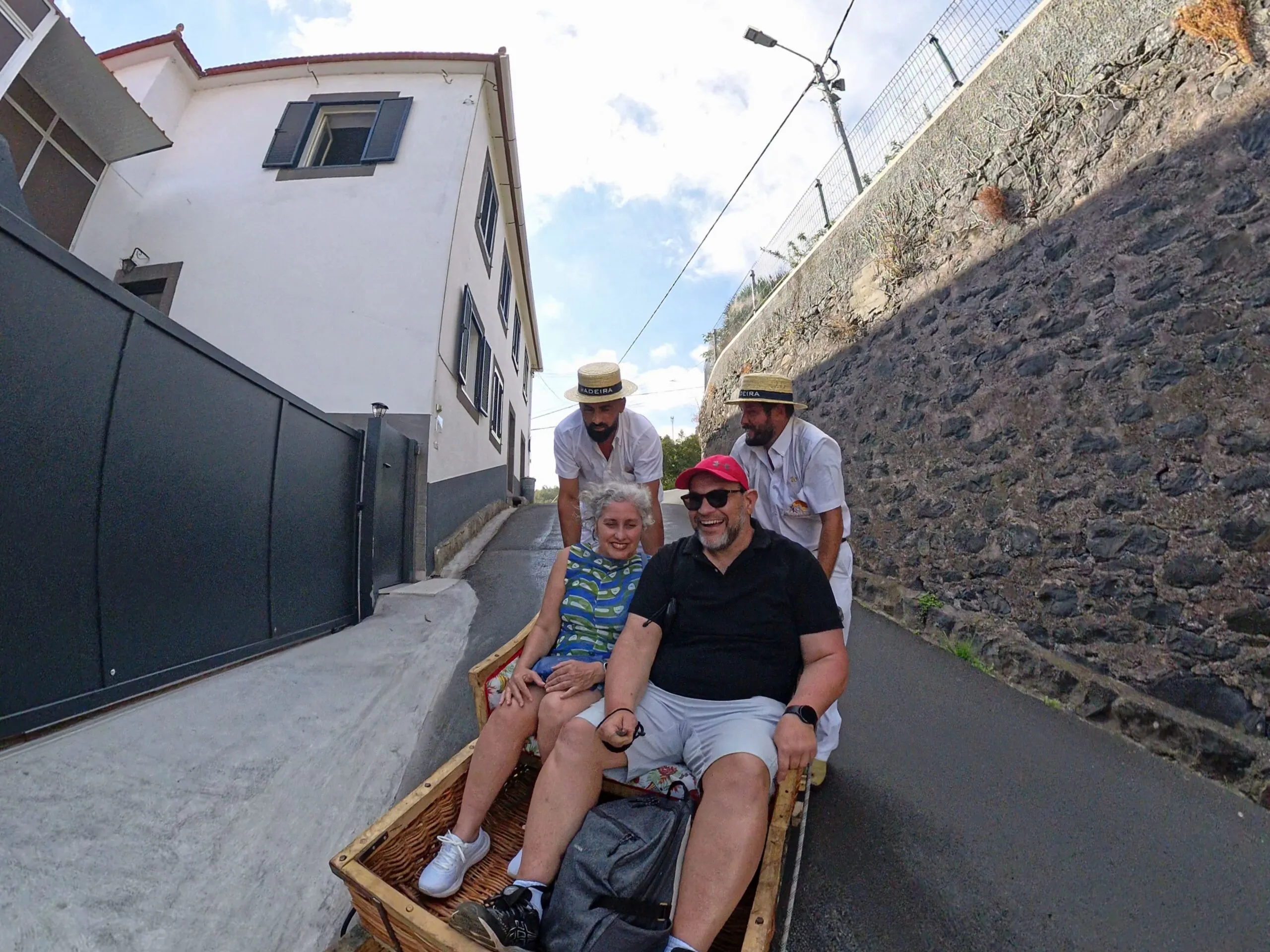
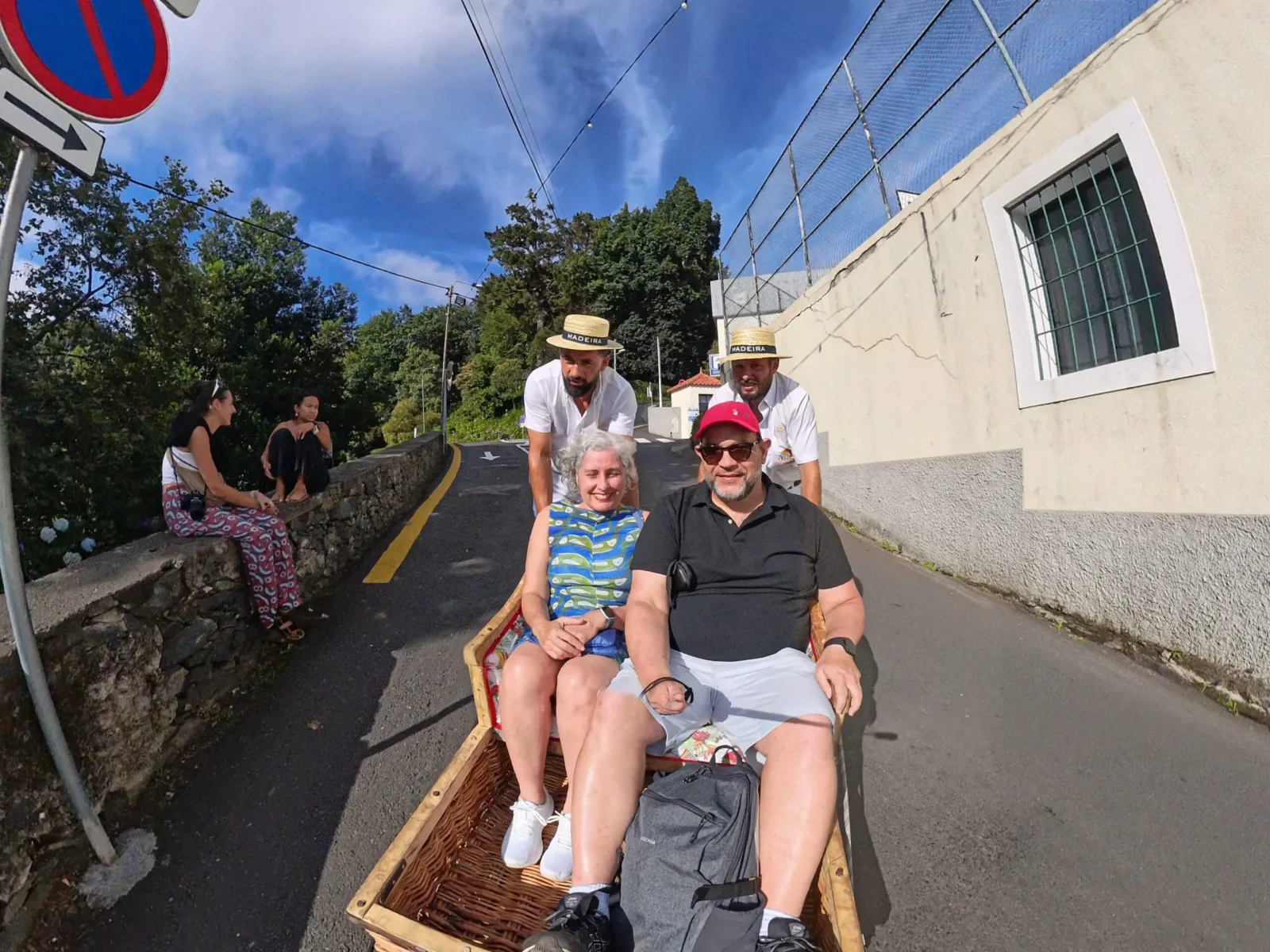
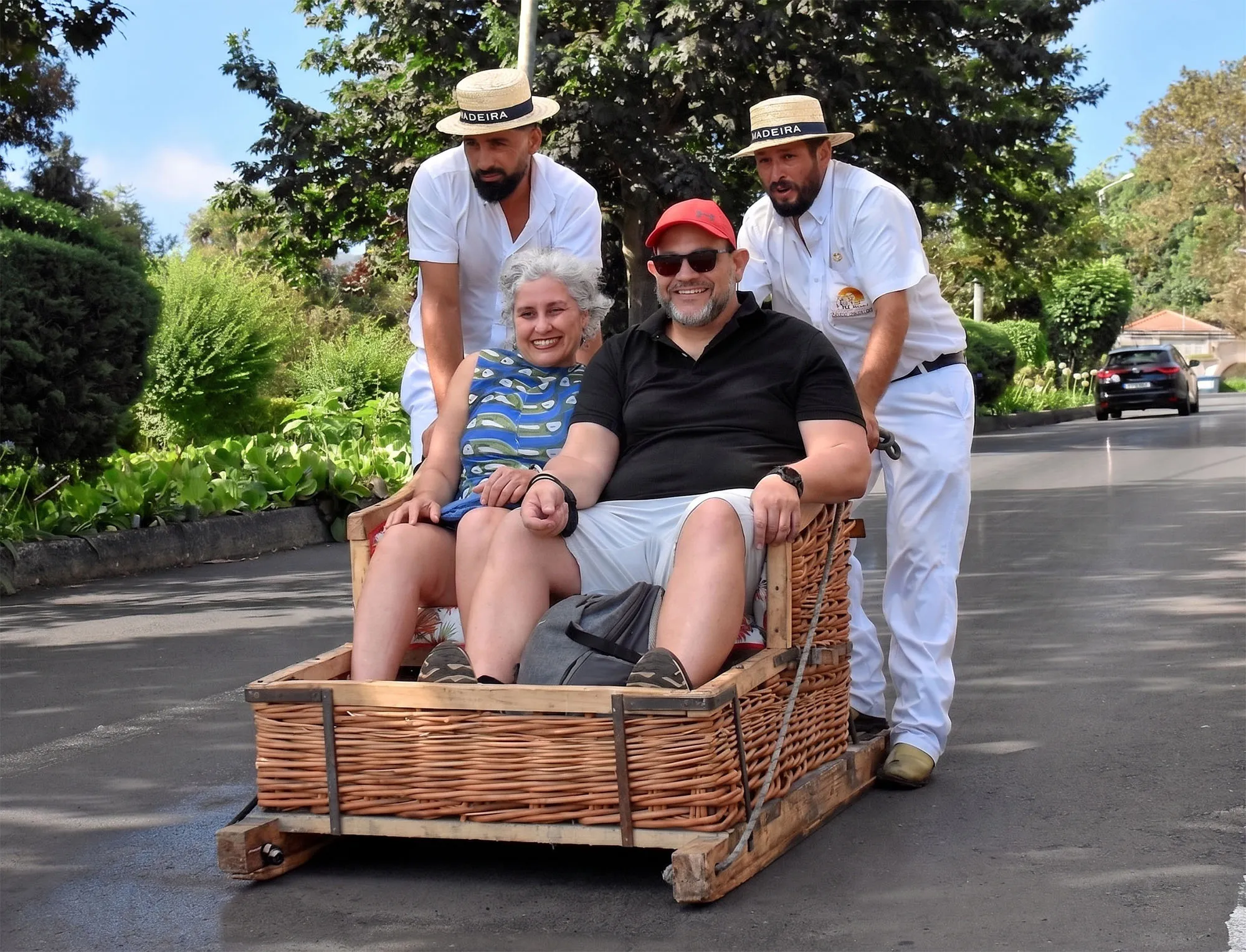
Our verdict: “Worth the experience,” 4/5. It combines mild adrenaline with island tradition and delivers what it promises despite its short duration and high price. The route ends in Livramento, requiring a taxi, Uber or Bolt back downtown.
Best combination
Ride the Funchal cable car up, explore Monte Palace slowly and begin descending on the wicker sledges. Livramento is about 2 km from the waterfront, but steep streets make walking inefficient. Expect photo sales and the traditional tip for the carreiros as part of the ritual.
Frequently Asked Questions
Do I need a rental car in Funchal?
A car is a burden downtown because of narrow streets, steep hills and parking. It is essential for the wider island. Within Funchal, use cable cars, buses, Uber or Bolt.
How can I reach Monte without the cable car?
Buses 20 and 21 run frequently from downtown, while Uber and Bolt cost considerably less than the cable car. You lose only the panoramic ascent.
Is eating in Funchal expensive?
It depends where you sit. Old Town and Rua de Santa Maria inflate prices for tourists. Local taverns and the modern western zone offer better food and value.
When should I visit Mercado dos Lavradores?
Arrive around 9 a.m. for active fish stalls and black scabbardfish. Avoid cruise-ship peak hours, when crowds and sales pressure make the visit less pleasant.
Should I stay in Funchal?
It is the best base for infrastructure, nightlife and transport. For nature and trails, split the stay with São Vicente or Ponta do Sol.
Final Verdict: Funchal’s Urban Tourism
We did not cover beaches or boat trips, but one city day would have been enough for us. By focusing on asphalt, we sacrificed time that Madeira’s trails and levadas deserved more.
The experience and photographs were worthwhile, but island time is too limited for the ordinary. If returning today, we would skip much of Funchal and invest every minute in Madeira’s wild nature and dramatic landscapes. The city has charm, but the opportunity cost did not work for us.
Read also
- Ponta de São Lourenço: Hiking, Boat Ride and Swimming in Madeira
- Renting a Car in Madeira: Is It Worth It?
- Northern Madeira: Volcanic Pools and What I Would Do Differently
- Pico do Arieiro: Instagram Hype or a Unique Madeira Experience?
- Fanal Forest, Madeira: One of the World
- Levada do Caldeirão Verde: Our 12 km Hike in Madeira
Was this post useful?
Rate your reading experience.