

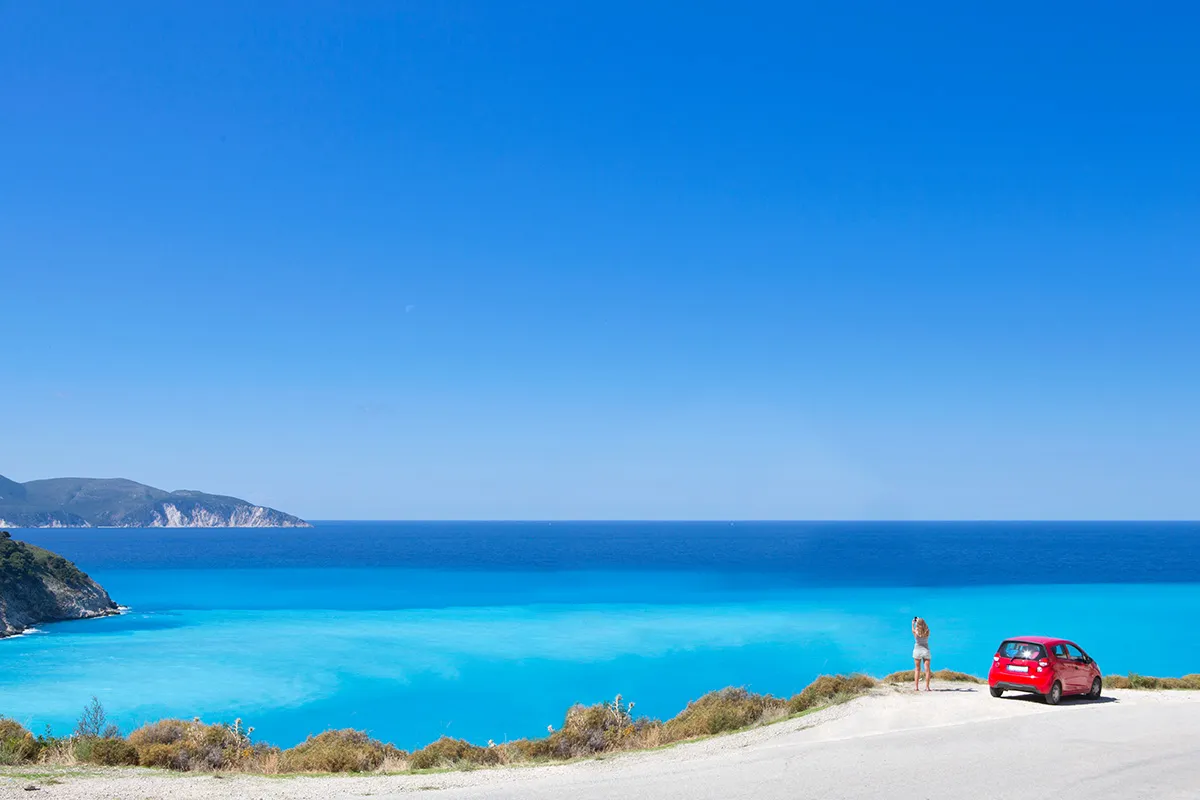
A rental car unlocks the Greek islands, but insurance traps, worn fleets and difficult roads can ruin both budget and safety. Here is what we learned in Milos, Paros and Crete.
Driving in the Greek islands: what we learned
Whether a rental car is worthwhile depends on each island’s size, how long you will stay and the itinerary you want. We value freedom and reserve part of our transportation budget for independence, so this guide shares what worked, what it cost and what became a trap in Milos, Paros and Crete.
What to know before renting anywhere in Greece
License requirements for Brazilian drivers
To drive legally and keep insurance valid, carry your original, valid Brazilian driver’s license and an International Driving Permit (IDP). Small rental offices may not request the IDP, but police and insurers can. In practice, no rental company asked to see ours, and enforcement in Milos, Paros and Crete was limited—but that does not remove the legal or insurance risk.
Fuel and gas stations
Gasoline averaged about €2.07 per liter in 2026 and may cost more on small islands.
- Most Greek stations are staffed rather than self-service. Say “full” or state the euro amount.
- Rental cars commonly use Unleaded 95; confirm whether yours requires diesel.
- Many island stations close around 7 or 9 pm rather than operating 24 hours.
Never let the tank fall below half when exploring remote western Milos or southern Crete.
Traffic rules and safety
Drinking and driving
Greece’s blood-alcohol limit is 0.05%. Summer checks may appear outside nightlife centers such as Naoussa and Adamas. If you plan to drink wine or ouzo, use a taxi or KTEL bus.
Protect your belongings
Do not leave bags or electronics visible, even briefly. Put everything in the trunk before reaching an isolated beach. Crete requires extra care because it has the anonymity and movement of a much larger place.
Night driving and cliffs
Roads are winding and often unlit beyond towns. Crete’s and Milos’s cliff roads can be intimidating; roadside memorial shrines called kandylakia are sober reminders of their danger. Goats also rest on warm asphalt after dark.
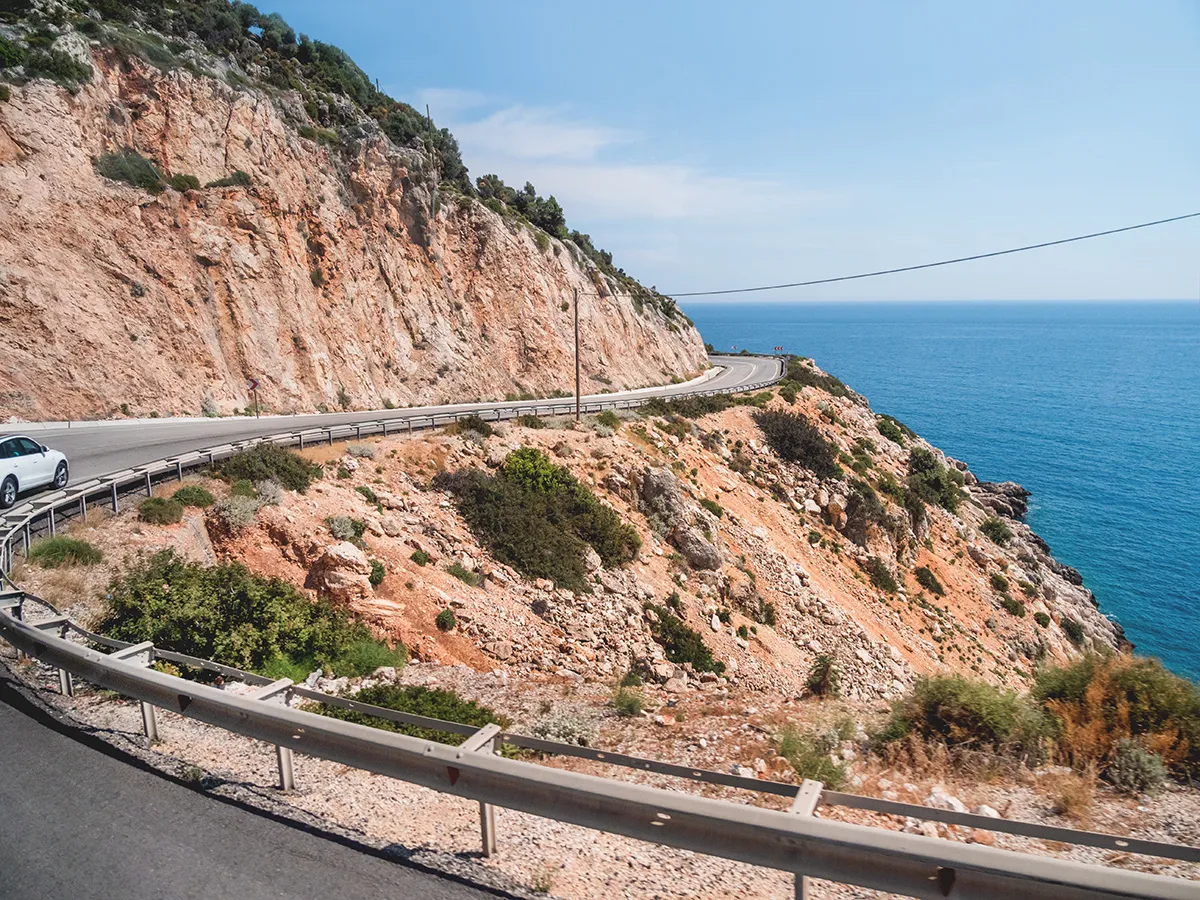
Police and speed enforcement are more visible in Crete. In Milos and Paros we saw few patrols, but breaking a rule or lacking documents can still invalidate insurance.
How much does a rental car cost in Greece?
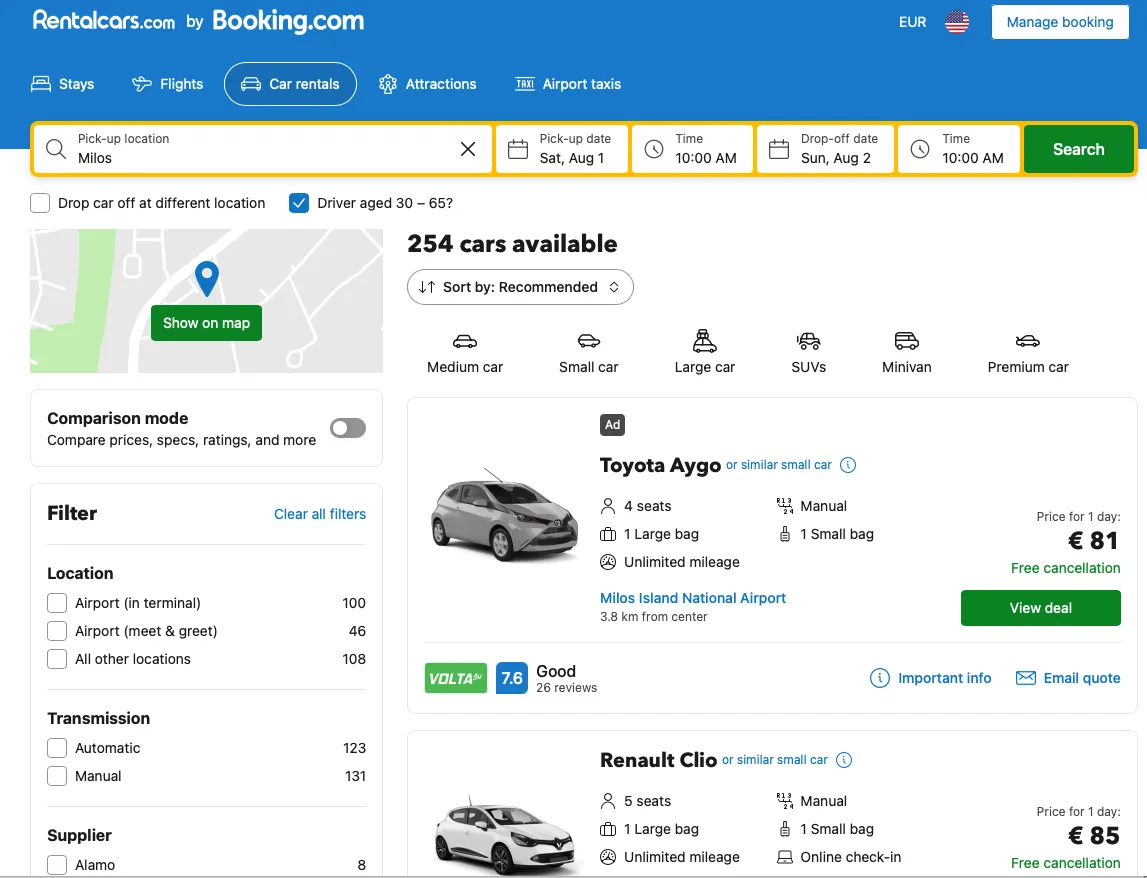
Prices are highly seasonal. These 2026 estimates are for a compact manual car:
| Island | May, June, September | July and August |
|---|---|---|
| Milos | €30–€45/day | €70–€95/day |
| Paros | €30–€40/day | €65–€90/day |
| Crete | €25–€35/day | €60–€85/day |
Crete is often slightly cheaper because its fleet is much larger. Automatic cars cost roughly 30–50% more and sell out first. Reserve three to six months ahead for summer. Full SCDW coverage usually adds €15–€25 per day. The second half of September is the sweet spot for summer weather and sharply lower prices.
Car vs. scooter vs. ATV
| Criterion | Car | Scooter | ATV |
|---|---|---|---|
| Safety | High; protection from wind and sun | Low in strong island winds | Medium; unstable in corners |
| Luggage | Best for bags and shopping | Backpack only | Limited |
| Parking | Hard in historic centers | Very easy | Easy |
| License | Category B + IDP | Motorcycle category + IDP | Category B + IDP |
Some small companies rent scooters or ATVs without checking the correct license. Being able to rent one does not make it legal or safe: after an accident, the wrong license can void every form of coverage.
Sun, heat and comfort
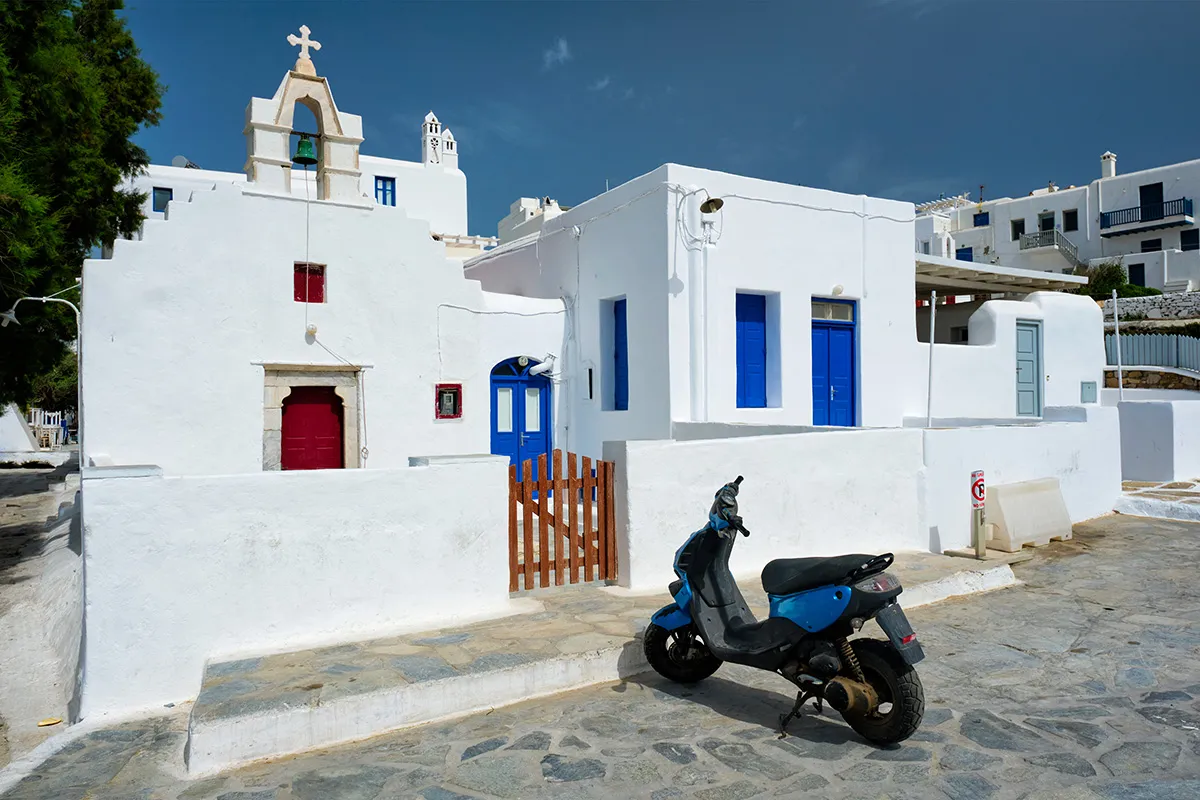
We saw visibly uncomfortable riders in Milos and Paros. Leave a scooter in the sun for three hours and its seat becomes painfully hot; shade is rare. A car provides air conditioning and shelter from dust and crosswinds.

For Crete, choose a car because of the distances. In Milos and Paros, a scooter can work for experienced riders on a short leisure day.
| Vehicle | Best for | Typical low/high price | Our verdict |
|---|---|---|---|
| Car | Comfort, luggage, families, Crete | €30–€90/day | Winner for safety and air conditioning |
| Scooter | Experienced couples and easy parking | €15–€40/day | Good in Paros, risky in strong wind |
| ATV | Short trips and photos | €25–€70/day | Slow, tiring and unstable on longer drives |
From booking to collecting the keys
Large portals or local companies?
In Paros, a well-reviewed local company near our hotel provided fast, friendly service and the newest car of our trip. In Milos and Crete, we booked through RentalCars. Milos was smooth and transparent, although its car was the most worn. Crete had more aggressive pressure to buy extra insurance and several contract limitations.
Expect worn vehicles
Especially in Milos and Crete, scratches, worn interiors and high mileage are normal. Film the entire vehicle at pickup—roof, wheels and the underside of the bumpers. That video is your best defense against charges for old damage.
Does size matter?
Choose the smallest car that fits your party. Compact cars handle Paros’s ancient lanes, Milos’s narrow access roads and scarce parking far better than an SUV. Smaller is cheaper and much less stressful.
Should you take a car on the ferry?
Our short answer is no:
- Vehicle transport can cost €70–€100 each way.
- Boarding and maneuvering inside a crowded ferry is stressful and requires arriving much earlier.
- Many contracts prohibit taking a rental away from its home island.
Rent separately on each island for lower risk and immediate local support.
Insurance strategy
Credit-card coverage can save money, but the agency will place a large hold on your limit. You pay damages first and later seek reimbursement. Full insurance bought from the rental company costs more but usually lets you return the keys without a forensic inspection. I generally use card coverage because I drive conservatively.
Island-by-island review
1. Crete: the giant that demands a car
Crete is enormous; a car is essential for beaches such as Preveli, Elafonisi and Balos.
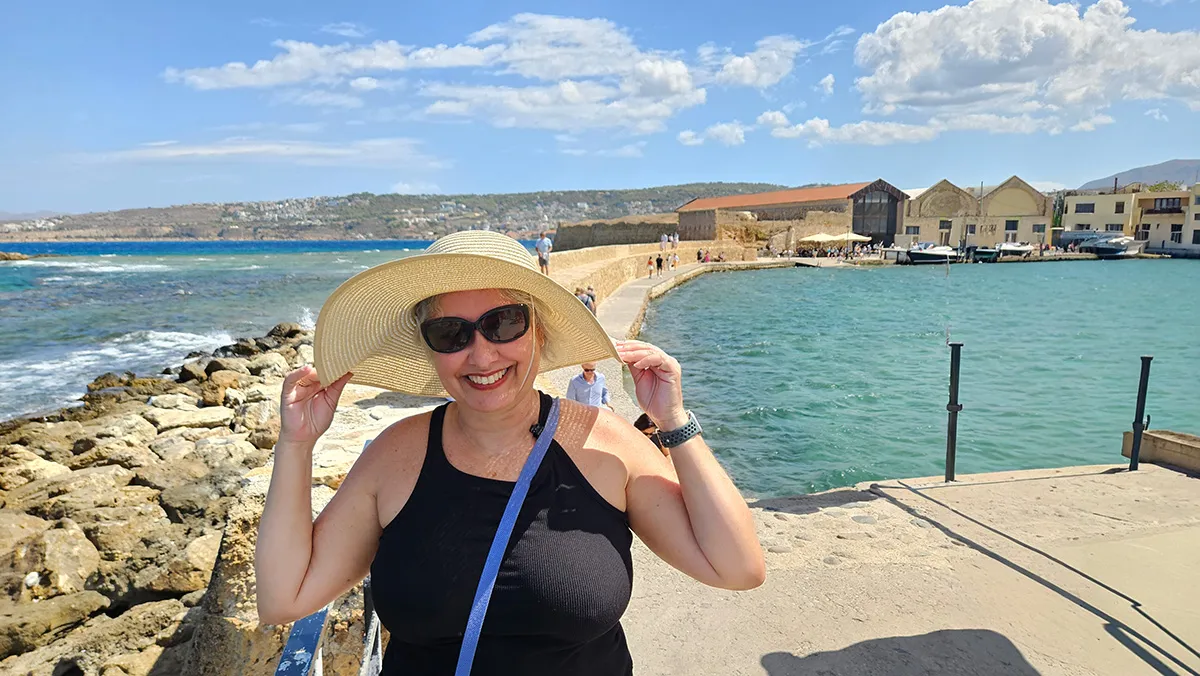
Our RentalCars vehicle was worn but functional. Most agencies prohibit the rough land route to Balos; breakdowns there are not covered. Roads can be narrow, winding and exposed, and impatient local drivers make nighttime driving tense. Park outside historic centers such as Chania and Rethymno.
| Pickup point | Advantage | Disadvantage |
|---|---|---|
| Souda or Heraklion ferry port | Start exploring immediately after an overnight crossing | Slow, noisy unloading of cars and trucks |
| Chania or Heraklion airport | Better infrastructure and more brands | Long summer counter lines |
2. Paros: the best balance
Paros has better roads and easier logistics. Our local rental company gave us excellent service and the best car. Roads toward Lefkes are winding and poorly lit at night. Park in free lots at the entrances to Naoussa and Parikia rather than entering their lanes. A car is ideal for inland villages and southern beaches; a scooter can suit the Parikia–Naoussa corridor.
| Pickup point | Advantage | Disadvantage |
|---|---|---|
| Parikia ferry port | Many offices within walking distance | Chaotic whenever ferries arrive |
| PAS airport | Calmer pickup | About 15–20 minutes from town |
3. Milos: the off-road challenge
Milos has extraordinary beaches but restricted access. Our high-volume rental car was heavily used. Agencies commonly prohibit compact cars from western Milos, where towing is extremely expensive. Northern asphalt is acceptable but poorly signed and winding. Use public lots outside Adamas, Pollonia and Plaka.

A car is still worth it for reaching Sarakiniko and Firopotamos without relying on infrequent buses.
| Pickup point | Advantage | Disadvantage |
|---|---|---|
| Adamas ferry port | Immediate access to fuel, shops and agencies | Finding your agent in the port crowds |
| MLO airport | Quick, simple handover | Very limited fleet without advance booking |
Frequently asked questions
Do I need a 4×4 in Milos or Crete?
Not for about 90% of the main attractions. A regular manual car works if you respect bans on unpaved roads.
Do rental companies accept debit cards?
Most require a credit card for the security deposit. Confirm before booking.
When should I rent?
July and August prices can triple and availability disappears. Book at least three months ahead.
Does Google Maps work well?
Usually, but it may select a “shortcut” that is actually an inaccessible goat track. Follow main signs and download each island’s offline map.
Verdict: is renting a car in the Greek islands worth it?
Renting a car means controlling your time. In Milos, Paros and Crete, the freedom to stop at an isolated taverna or stay in Sarakiniko until the last sunlight was priceless. If the budget allows, choose a safe compact car, follow local rules and document every detail at pickup. For us, driving was one of the highlights of exploring the Mediterranean.
Read also
- Renting a Car in Madeira: Is It Worth It?
- Kourtaliotiko Gorge Guide: Crete
- Rental Car in Mexico? How to Deal with Corrupt Police
- Greek Islands: Flights vs Ferries, Which Is Better?
- Chania: The Venetian Side of Crete That Won Us Over
- Preveli Beach: Everything You Need to Know Before Visiting
- Paros in 2 Days: Is Greece
- A Perfect Day in Northern Milos: A Road Trip for Couples
- Where to Stay in Milos: Pollonia, Adamas or Plaka?
Was this post useful?
Rate your reading experience.