


Montreal in winter can be beautiful, but it demands strategy. After living here since 2018, I explain the cold, costs and traps behind the postcard scenery.
Why does everyone talk about Montreal?
Montreal has two faces. Summer brings festivals, terraces and outdoor life; winter turns the same city into an almost Arctic landscape. That transformation fascinates visitors, but it also creates expectations that the reality on the sidewalk does not always match.
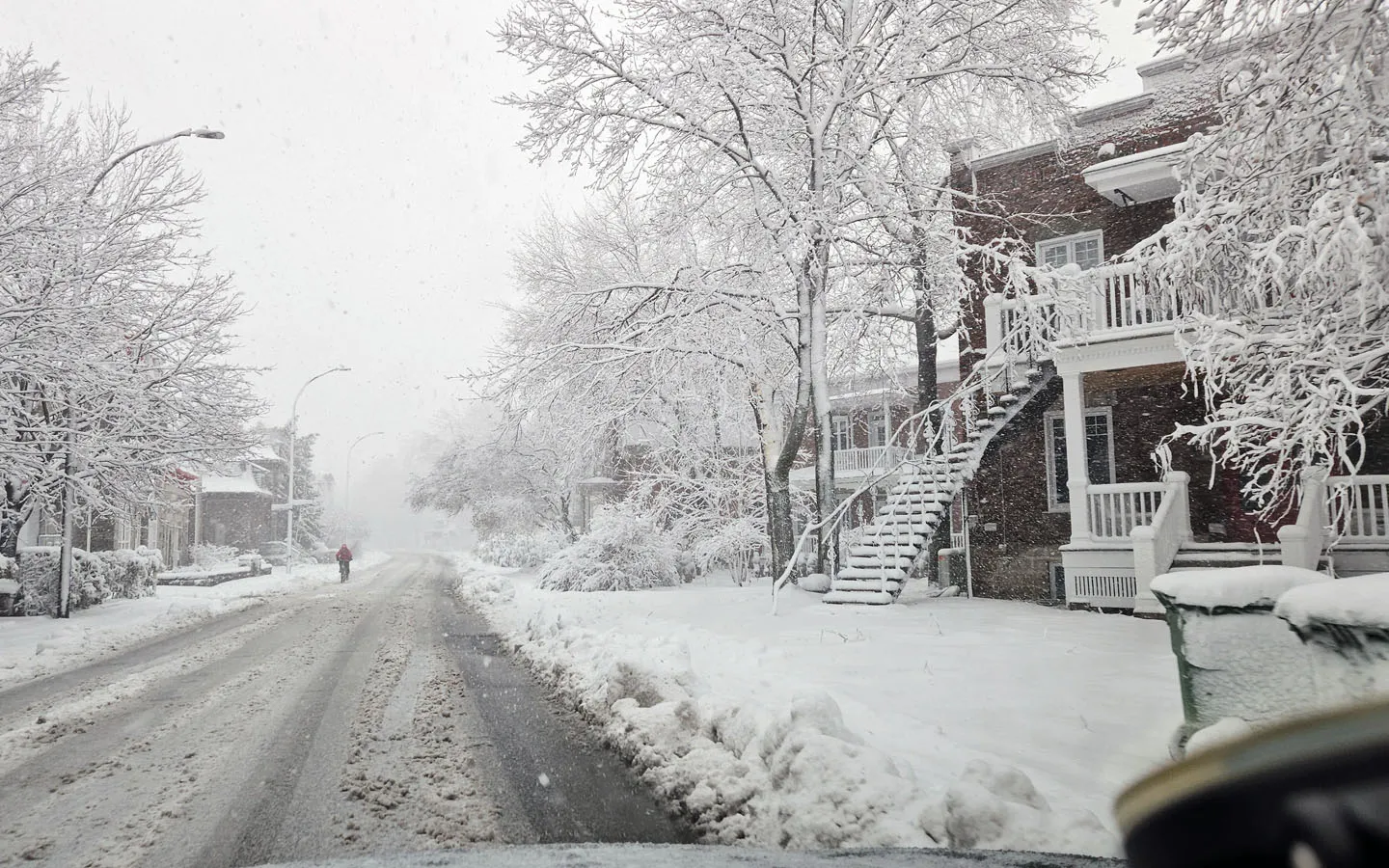
The contrast defines the city. Montrealers celebrate warm weather intensely because they have developed an entire way of life to endure months of snow.
Why is Montreal so cold?
Montreal sits at roughly the same latitude as Bordeaux and Venice, yet its winter feels like another planet. Europe benefits from the Gulf Stream, while Quebec is exposed to cold Arctic air and the influence of the Labrador Current.
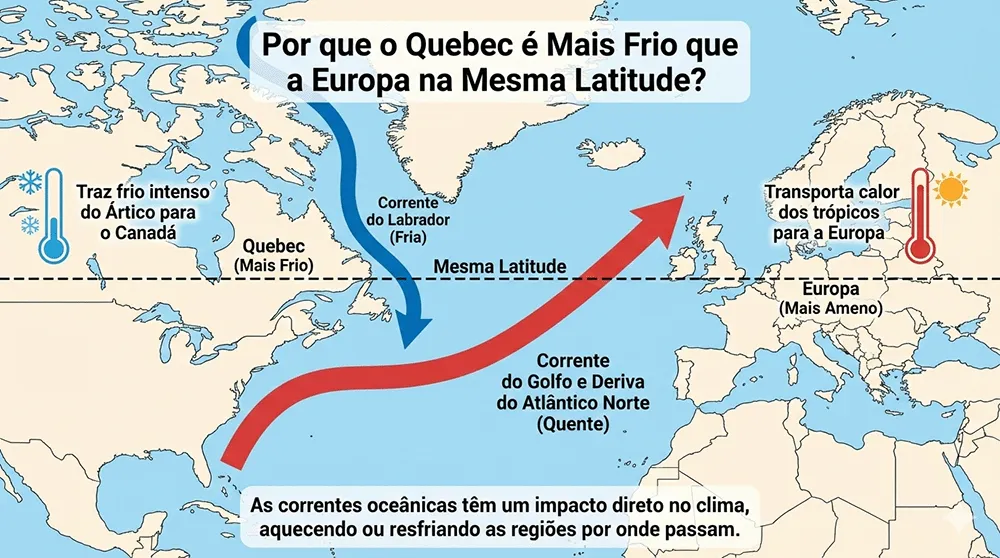
That is why a clear winter day here can be brutally cold even when a European city at a similar latitude is relatively mild.
Montreal in Winter in Practice (Video)
If you want to see how this cold reality looks in practice, watch the video I recorded showing Montreal’s snow-covered streets, the challenges, and what it’s really like to face a Canadian winter:
🎥 Click here to watch it on YouTube
Winter expectations versus street-level reality
I have lived here since 2018 and have gone through both phases: the tropical visitor eager to see snow and the resident who knows what that snow becomes after traffic, salt and changing temperatures.
| What visitors expect | What Montreal actually delivers |
|---|---|
| Soft, white movie snow | Grey slush, hard ice and invisible black ice after the storm |
| Christmas lights all winter | Short, grey days once the holiday season ends |
| Romantic walks through Old Montreal | Wind from the St. Lawrence that cuts through ordinary coats |
| Freedom with a rental car | Snow-removal signs, towing, expensive parking and digging out the car |
Movie snow becomes slush
Fresh snow is beautiful, but in the city it may remain perfect for only a few hours. Salt and sand turn it into dirty, wet slush. Fashion boots are quickly ruined, and anything that is not fully waterproof leaves you with wet feet. Black ice is worse because you often see it only after you slip.
Christmas glow becomes February grey
December has lights and markets, although it is also expensive and recent Decembers have not always had enough snow for the classic postcard. In January and February, daylight can run only from about 8 a.m. to 4 p.m., and the city shifts into survival mode.
The Old Port becomes a wind tunnel
Old Montreal is beautiful, but its position beside the St. Lawrence creates a corridor for polar wind. A thermometer reading of -10°C can feel closer to -25°C. Without a windproof outer layer, the romantic walk becomes a search for the nearest café.

A rental car can become a burden
Montreal runs one of the world’s most complex snow-clearing operations. Temporary signs appear, sirens warn drivers and legally parked cars may need to be moved within hours. Miss the warning and the car can be towed. Add poor visibility, parking fees and the need to shovel after a storm, and public transport often makes more sense.
When should you come?
December is best for holiday atmosphere. Temperatures often range from 0°C to -10°C, but flights can be expensive.
Late February and March are the local sweet spot. Days are longer and temperatures may rise to around -5°C to 2°C. The trade-off is thawing slush, puddles and freezing rain.
January and early February are the deep-freeze period. Wind chills near -35°C are possible. Unless you have a strong reason to visit, this is the least forgiving time for sightseeing.
Winter experiences worth your money
Public-park sledding
A simple plastic sled turns Mont-Royal, Parc Jean-Drapeau and neighborhood hills into genuine local entertainment. It is inexpensive and shows how Montrealers actually enjoy winter.
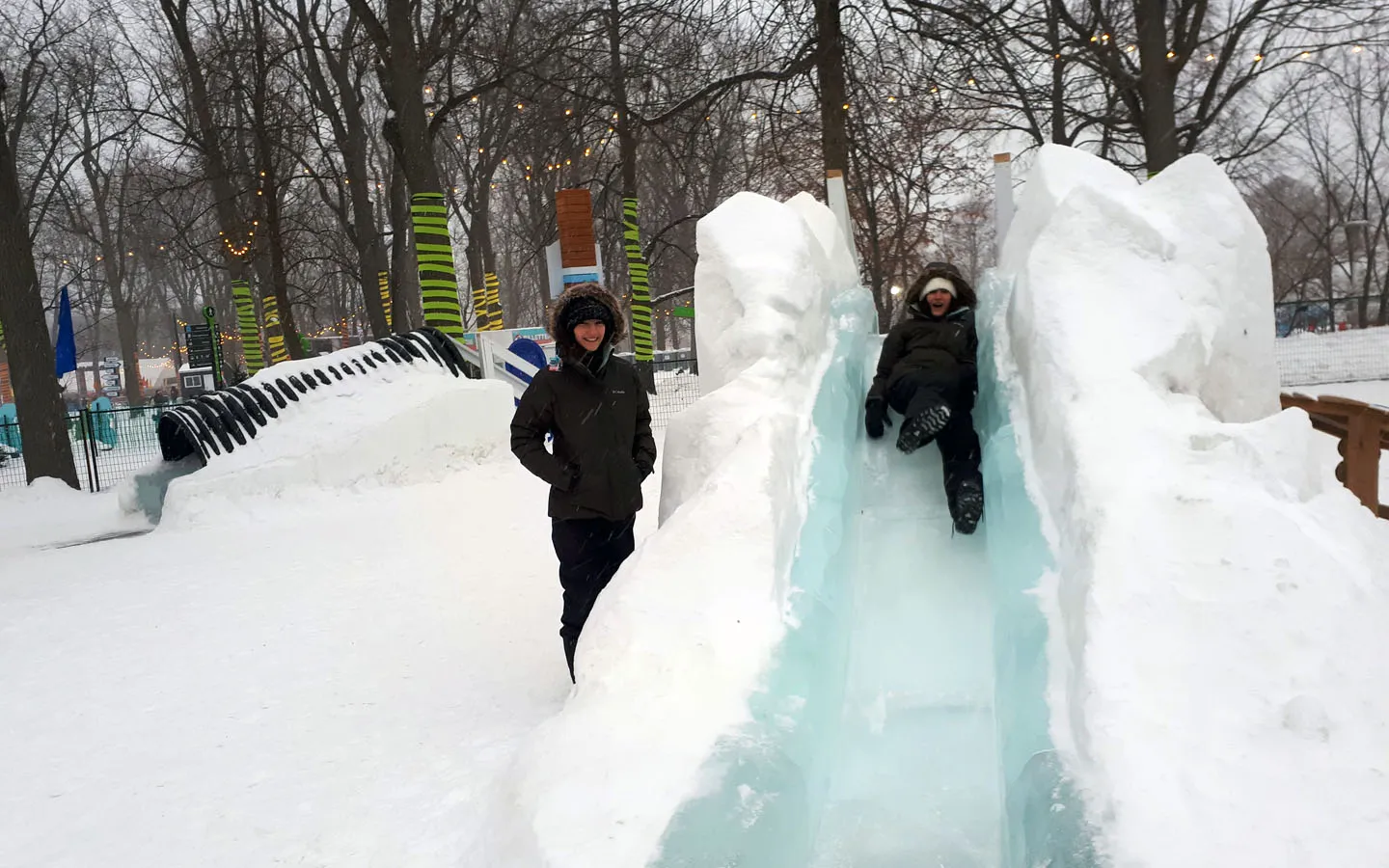
For a bigger outing, Les Glissades du Domaine des Pays d’en Haut offers mountain tubing about two hours away.
Neighborhood skating
Skip the busiest paid downtown rinks and look for free neighborhood ice. Indoor arenas are a useful backup when the wind is too strong. Downtown, the Esplanade Tranquille rink is convenient; Le 1000 offers an indoor option.
Ski resorts and the real bill
Mont-Tremblant is beautiful even if you do not ski, but it is 1.5 to 2 hours away and food and transport are expensive. Saint-Sauveur and Bromont are closer alternatives.
For one day in 2026, expect roughly CAD 90–140 for a lift ticket, CAD 60–90 for equipment and possibly CAD 40–60 for technical clothing. With transport, food and a lesson, the total can easily exceed CAD 300 per person.
Comfort food and restaurant costs
Eating somewhere warm becomes part of the winter experience, but menu prices are not the final prices. Quebec adds nearly 15% tax, and table service normally involves a 15–25% tip, calculated on the subtotal.
Poutine is iconic, but for a Brazilian palate it is essentially fries, gravy and cheese curds. I find it dispensable, much like the wings, barbecue ribs and nachos that dominate pub menus.
For budget food, Tim Hortons can solve breakfast for roughly CAD 10–20. Souvlaki Bar offers generous Greek food closer to Brazilian tastes, while Grillades Torino is dependable in shopping-mall food courts. A good all-you-can-eat sushi meal often costs CAD 30–50 per person.
For a comfortable middle ground, Les 3 Brasseurs serves beer brewed on site, burgers, poutine and Flammekueche. A couple can usually eat and drink for around CAD 80–110, including taxes and tip.
Five winter myths
1. “My winter clothes from Brazil will work”
Usually not. Wool fashion coats and tropical boots offer little protection against polar wind and wet slush. Waterproof footwear, insulation and wind resistance matter more than style. Winners often has technical coats below CAD 100, while Dollarama can help with inexpensive accessories.
2. “The Underground City is an attraction”
RESO is useful, but it is mainly a network of malls, metro stations and office buildings. Use it to move out of the wind, not as the main event of your day.
3. “The metro solves everything”
The metro is safe and efficient downtown, but ski hills, thermal spas and more distant parks require another plan. In 2026, a metro or bus fare is about CAD 3.75, a short Uber ride around CAD 15–25, and the airport 747 bus CAD 11.25, including a 24-hour transit pass.
From YUL, Uber commonly costs around CAD 45. Official downtown taxi rates are about CAD 49.45 by day and CAD 56.70 at night. During a storm, surge pricing makes the metro and 747 even more attractive.
4. “Blue sky means pleasant weather”
In Canadian winter, cloudless days can be the coldest. Arctic high pressure clears the sky but brings extremely dry, cold air.
5. “It is always colder while snow is falling”
Clouds can act like a blanket, so light snowfall may arrive with slightly warmer temperatures. The most brutal cold often follows the storm or comes with a windy blizzard.
What to avoid
- Overpriced restaurants in the most touristy zones; Plateau and Mile End usually offer better value.
- Driving during heavy snow, when black ice, towing rules and poor visibility combine.
- Saving money on gloves, socks and waterproof footwear. Cold hands and feet can ruin the day even with an expensive coat.
Verdict: is Montreal worth visiting in winter?
Yes, if you want to understand how a major city functions under snow, enjoy winter sports and are prepared to explore like a local.
No, if you hate extreme cold, will not invest in technical clothing or expect RESO and postcard snow to carry the entire trip.
My conclusion after living here since 2018 is simple: Montreal does not forgive poor preparation, but few scenes compare with the silence after a major snowfall. Arrive with the right clothes, budget and expectations, and the trip can be unforgettable for the right reasons.
Read also
Was this post useful?
Rate your reading experience.