

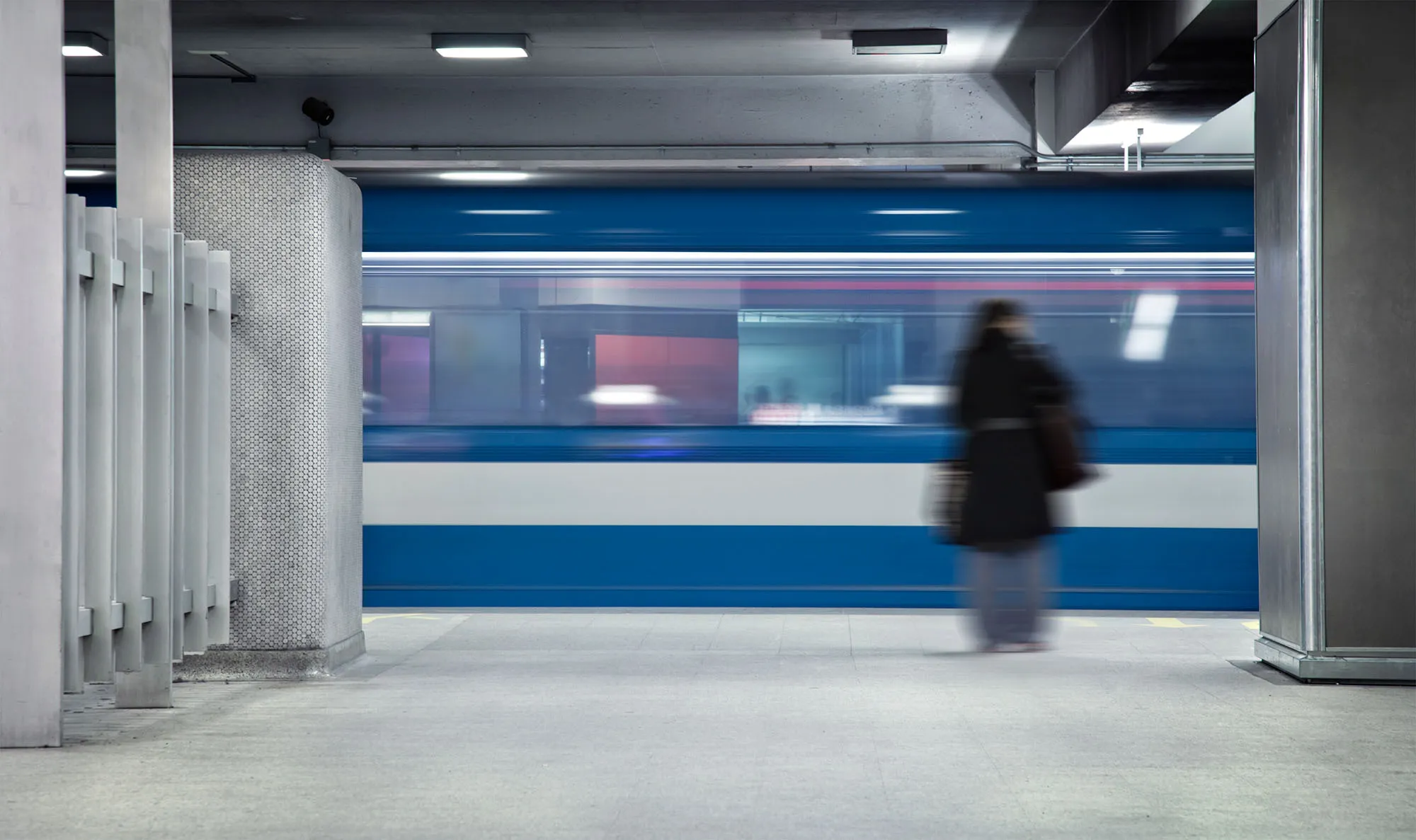
Here is something many travel guides fail to mention: you do not need a car to enjoy Montreal. In summer, having one can create more trouble than convenience. I say that as someone who lives here, owns a car and leaves it in the garage from May through October.
Getting Around Montreal and Understanding Public Transportation
Want to know how to get around Montreal? The city is not designed around driving, particularly for visitors. Montreal is meant to be experienced on foot, by metro, bus and bike. Its excellent public transportation network reaches virtually every attraction.
This guide is aimed at a three-to-five-day visit between May and October. May and October are the unstable edges of the season, with cold mornings, sunny afternoons and rain that arrives without warning. It is not winter chaos, but it is not July’s generous summer either. Public transportation works exactly the same; you will simply rely more on the covered metro and less on BIXI. Bring a light waterproof jacket.
For a true winter trip, the same principles apply but the reality changes considerably.
Forget the Car, and I Am Not Exaggerating
Renting a car in Montreal is much like renting one for a first trip to New York. The idea that “car equals freedom” does not work in a dense city.
Downtown summer traffic is chaotic, construction is endless, and locals joke that “construction season” is Montreal’s second official season. Parking in tourist areas costs roughly CAD $25 to $40 per day.
⚠️ Realistic cost of keeping a car for five days:
- Compact rental in low season: approximately CAD $60 to $100 per day, or at least CAD $300
- Downtown or hotel parking: around CAD $30 per day, or CAD $150
- Gas and tolls: around CAD $40
- Approximate total: CAD $490
That buys unlimited transit for the entire stay, several good meals and BIXI rides. A car does make sense for certain day trips, which I cover near the end.
Montreal’s Transportation Network: What Each Option Does
Montreal has one of the most complete transit networks in the Americas. Visitors mainly need four modes.
1. The Metro: The Backbone of the System
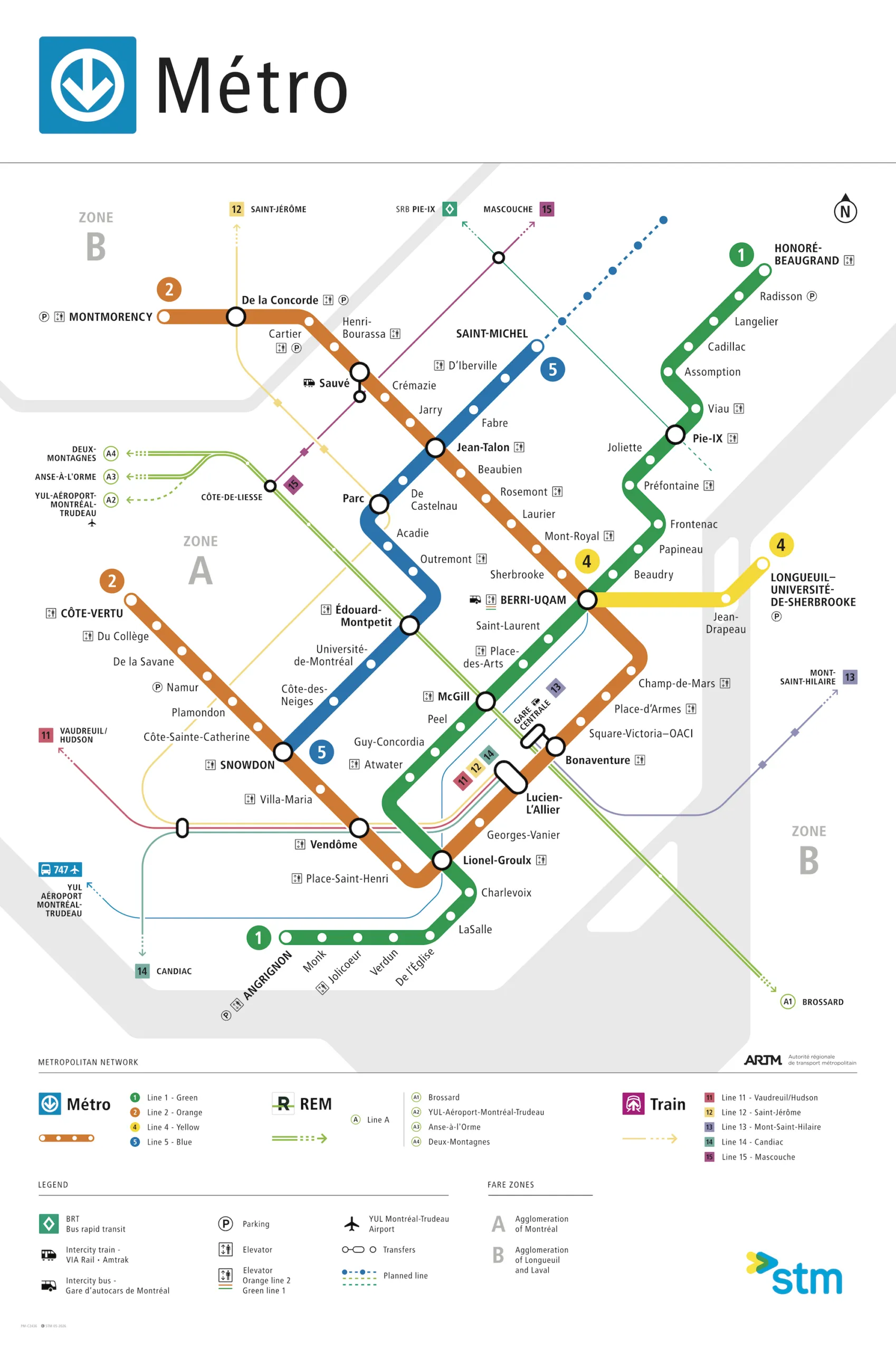
Four lines and 68 stations cover almost every neighborhood you will want to see: Old Montreal, Plateau-Mont-Royal, Mile End, Quartier des Spectacles, Mount Royal Park, Chinatown and Saint-Laurent. It is quick, clean and begins operating around 5:30 a.m.
Download Montreal metro maps here.
Closing times vary. On weekdays, the last departures are around midnight. On Friday and Saturday, the Green and Orange lines run until approximately 1:30 a.m. The Blue and Yellow lines finish slightly earlier, so check the app before going out.
Visitors mainly use the Green Line, which crosses downtown east to west, and the Orange Line, an L-shaped route connecting many popular residential neighborhoods.
Credit: STM website
The Yellow Line is useful for Longueuil and Parc Jean-Drapeau, home to Osheaga and access toward the Boucherville Islands. The Blue Line mainly serves academic areas and neighborhoods outside the usual tourist circuit, including Université de Montréal and Côte-des-Neiges.
💡 Local tip: the metro closes relatively early on weeknights. After a festival, Plateau bar or late Old Port dinner on Tuesday or Wednesday, return before midnight or plan for an overnight bus, which runs less frequently.
Credit: STM Facebook
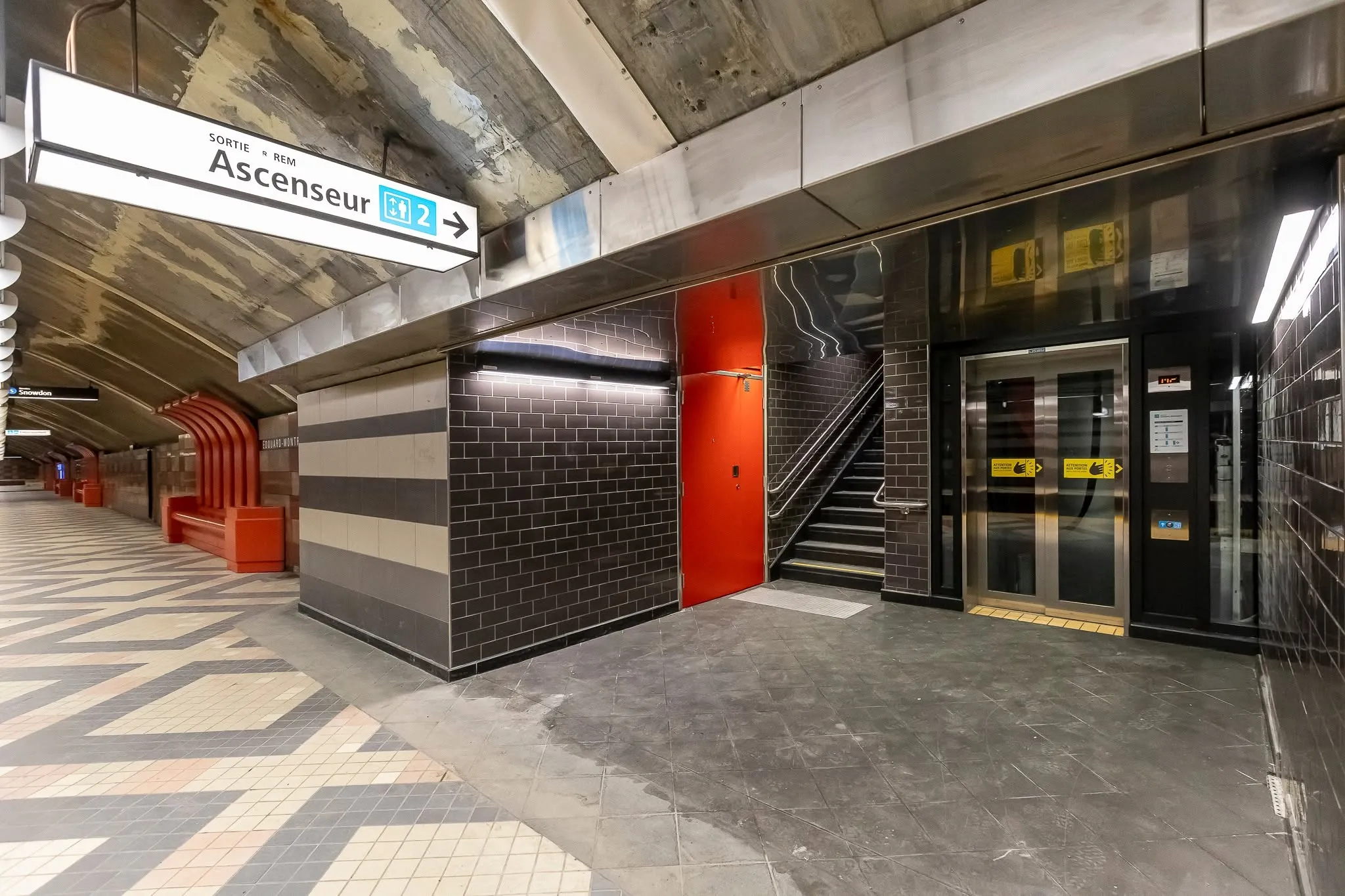
One limitation deserves a clear warning: much of the system dates to 1966, when accessibility was not a priority. Many stations still lack elevators. Travelers with reduced mobility, wheelchairs or strollers should check the destination station in advance using the STM’s updated elevator accessibility map.
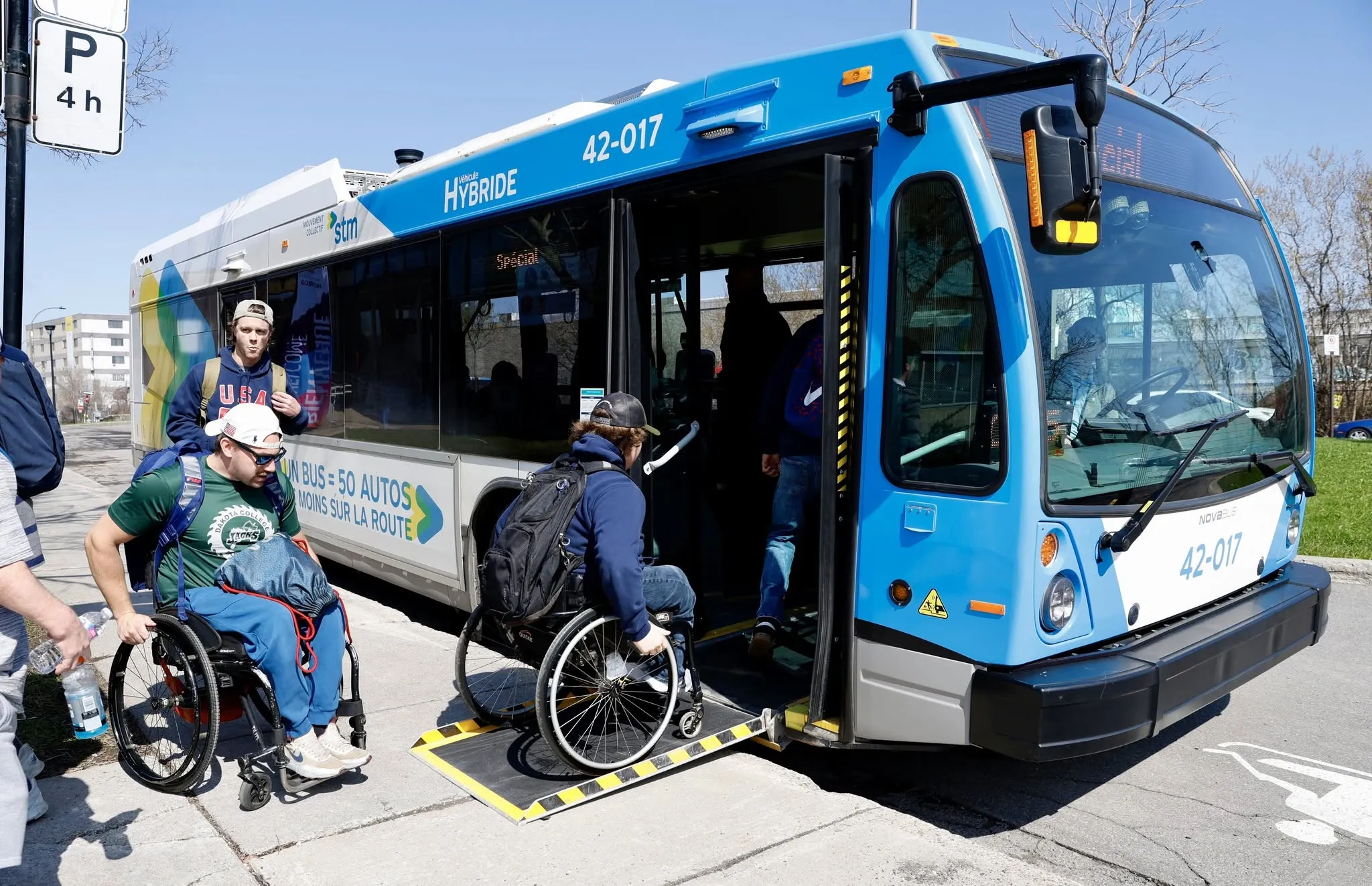
STM buses are different: the entire fleet has retractable ramps and hydraulic suspension that lowers the entrance to curb level. Strollers, wheelchairs and walkers can board safely and independently.
Taking a bike on the metro
Combining metro and bike is one of my favorite Montreal summer activities. Ride to a station, carry the bike aboard, exit several kilometers later and continue cycling. It works well, but the rules matter.
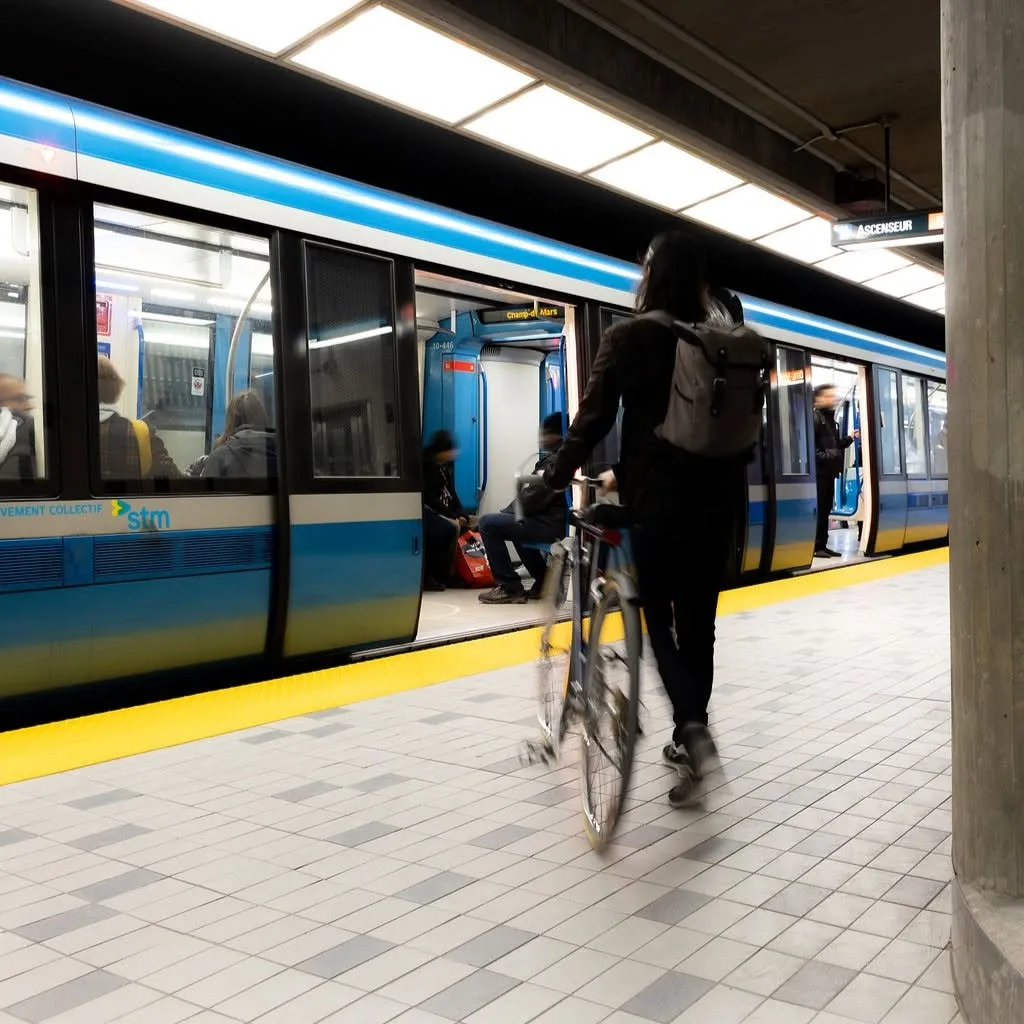
- Conventional bikes are allowed at all times from May 18 through August 16.
- Outside that period on weekdays, they are allowed before 7 a.m., from 9:30 a.m. to 3:30 p.m., and after 6 p.m. Weekends and holidays have no time restriction.
- A maximum of two bikes is allowed per car, counted from each set of doors.
- Avoid the first car, which gives priority to wheelchair users and school or daycare groups.
- Hold the bike at all times; never place it on a seat or against station equipment.
- Scooters, kick scooters and skateboards are prohibited inside the system.
⚠️ Electric bikes have been prohibited on metro trains and buses since December 2024 following lithium-battery fires. The rule applies to every model, including folding bikes. The only exception is an assistive mobility device. A rented electric BIXI therefore cannot travel with you on the metro.
Metro stations are attractions in their own right
Since the system opened in 1966, every station has been designed with its own architectural identity. Different architects, often working with local artists, created an underground gallery containing more than 100 artworks.
- Champ-de-Mars, Orange Line: Marcelle Ferron’s monumental stained glass changes with the daylight.
- Place-des-Arts, Green Line: orange wave-shaped panels and Jean-Paul Mousseau mosaics connect visually with the cultural district above.
- Square-Victoria–OACI, Orange Line: the only station outside France with an original Hector Guimard Art Nouveau entrance, donated by Paris in 1967.
- Berri-UQAM, Orange, Green and Yellow lines: the system’s largest and busiest interchange, with works from several artists.
- Monk, Green Line: two large bronze sculptures stand over the platform like silent guards.
If you have extra time, choose a route through these stations. You do not need to exit; much of the architecture is visible from the platforms.
Fun fact: the trains run on rubber tires
Montreal’s metro uses rubber tires rather than conventional steel wheels. The idea came from Paris and was developed with RATP and Michelin. Montreal became the first city outside France to adopt it throughout a new system from day one.
The practical result is smoother acceleration, better traction on inclines and noticeably less noise inside the cars. The technology also allowed stations to be built at very different depths.
The French voice visitors remember
Station announcements use clear, warm and unmistakably Québécois French. For non-French speakers, it becomes background music. For French speakers, it is a constant reminder that language matters deeply here. Many first-time visitors admit they wait for the next announcement just to hear that voice again.
2. The REM: A New Network That Has Not Reached the Airport Yet
The Réseau express métropolitain (REM) is a fully automated light-rail network connecting Gare Centrale downtown with parts of Greater Montreal, including Brossard, Deux-Montagnes and the West Island.
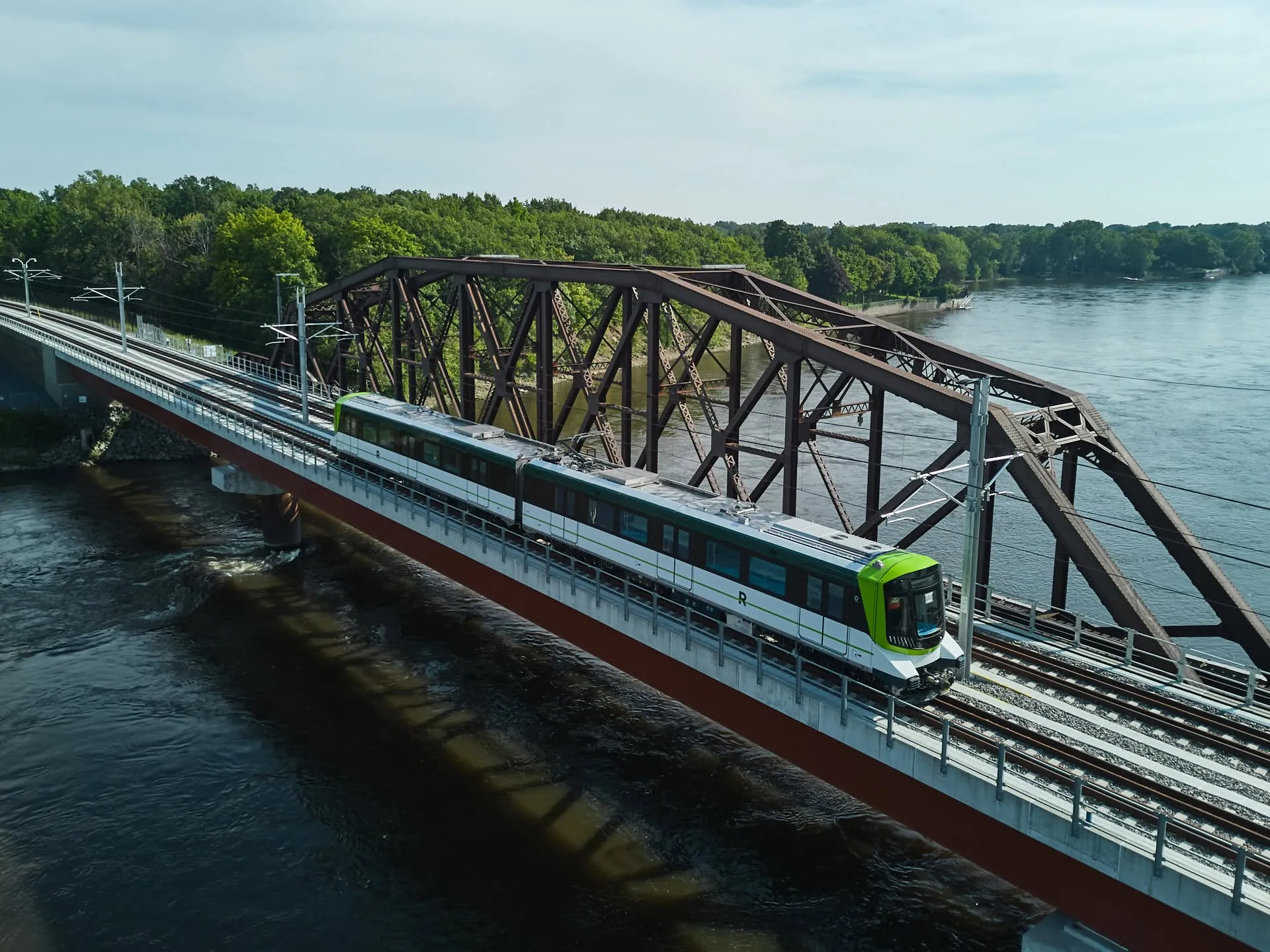
For most visitors, it is more useful for trips to Brossard, such as Quartier DIX30, than for daily sightseeing. One correction to outdated guides is essential: the REM branch to Montréal-Trudeau Airport is not operating yet. Opening is expected at the end of 2027. The station may be 85% complete and impressive at 35 meters below the airport, but for now you still need another way into town.
3. Getting from the Airport to Downtown Before the REM Opens
Montréal-Trudeau Airport is in Dorval, about 20 km from downtown, with no metro connection yet.
STM 747 bus, the cheapest option: The express service runs 24/7 to Lionel-Groulx metro station and downtown stops around Boulevard de Maisonneuve. It is included with eligible STM fares or passes. Allow 45 to 60 minutes depending on traffic, with your luggage aboard.
Taxi, the predictable option: Official taxis wait outside the terminal. The regulated downtown fare is approximately CAD $49 to $55 between 5 a.m. and 11 p.m., and CAD $57 at night. Travel time is normally 25 to 40 minutes.
Uber, the middle ground: Airport pickup is available and generally costs CAD $35 to $50 downtown, with surge pricing at busy times. Quebec taxes make app rides more expensive than in many US cities.
| Option | Estimated cost | Time | With luggage |
|---|---|---|---|
| STM 747 bus | CAD $3.75 | 45–60 min | Low comfort |
| Taxi, fixed fare | CAD $49–57 | 25–40 min | High comfort |
| Uber | CAD $35–50 | 25–40 min | High comfort |
| REM, future | Approx. CAD $5–6 | Approx. 25 min | High comfort |
The 747 works well for a solo traveler with a light backpack. Couples and families with larger luggage often find taxi or Uber worthwhile once the fare is divided.
4. Uber and Taxis Within the City
Both work well but are rarely the budget choice. A transit ride costs about CAD $3.75, while even a short Uber seldom costs less than CAD $12 to $15.
They make sense after the metro closes, with heavy luggage or shopping, for late-night areas with poor bus coverage, and during emergencies or unexpected delays. Do not use Uber for everything assuming it is faster. In downtown rush hour, a car can take longer than the metro and cost ten times as much.
5. STM Buses: Where the Metro Does Not Go
Buses cover the whole island and operate 24 hours. Visitors use them for destinations far from stations or after the metro closes. Night route 55 along Boulevard Saint-Laurent is especially useful through the Plateau. Frequent routes marked “10 Minutes Max” reduce waiting during their scheduled service periods.
⚠️ Google Maps often misses real-time Montreal bus timing. I recommend the free Transit App, which shows nearby vehicles live. That matters on a cold May or September evening when you do not want to wait on the sidewalk.
6. River Shuttles: The City’s Most Beautiful Transportation
The Navettes Fluviales are both transportation and an attraction. Ferries cross the Saint Lawrence from the Old Port to Parc Jean-Drapeau, Longueuil and the Boucherville Islands.
Which Pass Is Best for a Three-to-Five-Day Visit?
| Option | Approx. 2026 price | Best for |
|---|---|---|
| Single fare | CAD $3.75 | Fewer than 3 trips daily |
| Unlimited 1-day pass | CAD $11.00 | A travel-heavy day |
| Unlimited 3-day pass | CAD $21.25 | A concentrated 3-day visit |
| 10 single fares | CAD $34.00 | 5+ days at a moderate pace |
⚠️ Fares change. Always confirm them at stm.info.
For most three-to-five-day trips, I would buy a three-day pass for the busy opening days, then use single fares during the slower final days. It costs less than four or five separate day passes.
Buying and Reloading an OPUS Card
OPUS is the fare card for the metro, buses, Exo trains and REM.
- Choose the card. The rigid blue reloadable OPUS costs CAD $6 and accepts single fares, 10-fare packs, and daily or monthly passes. It is the best choice for two days or more. A flexible disposable card has no separate purchase fee but accepts only its initial fare product and cannot be reloaded.
- Load the fare or pass at any metro ticket machine using debit or credit. STM ticket booths have not accepted cash since the pandemic.
- On buses, exact coins are still accepted, but OPUS is far easier.
- Away from stations, many Jean Coutu and Pharmaprix pharmacies reload OPUS cards.
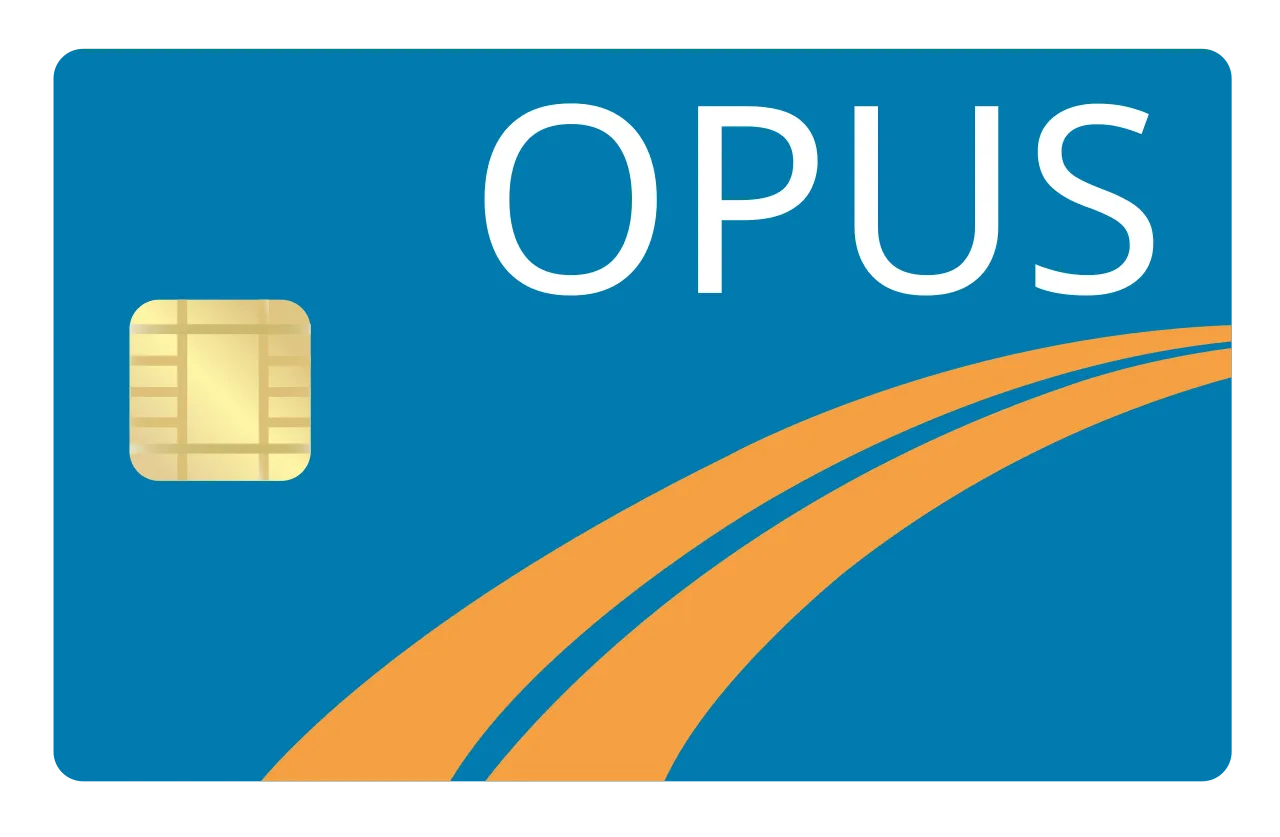
One detail few visitors know: a single fare loaded on disposable media provides a 120-minute transfer window across eligible buses and the metro. It is time-based, not simply one vehicle ride.
BIXI bikes, and why electric models changed everything
BIXI has more than 600 stations and offers conventional and electric bikes. For anyone who is less fit, electric assistance is a game changer. Montreal has hills, and climbing from the Plateau toward Mount Royal at the end of a long day can be unnecessary punishment.
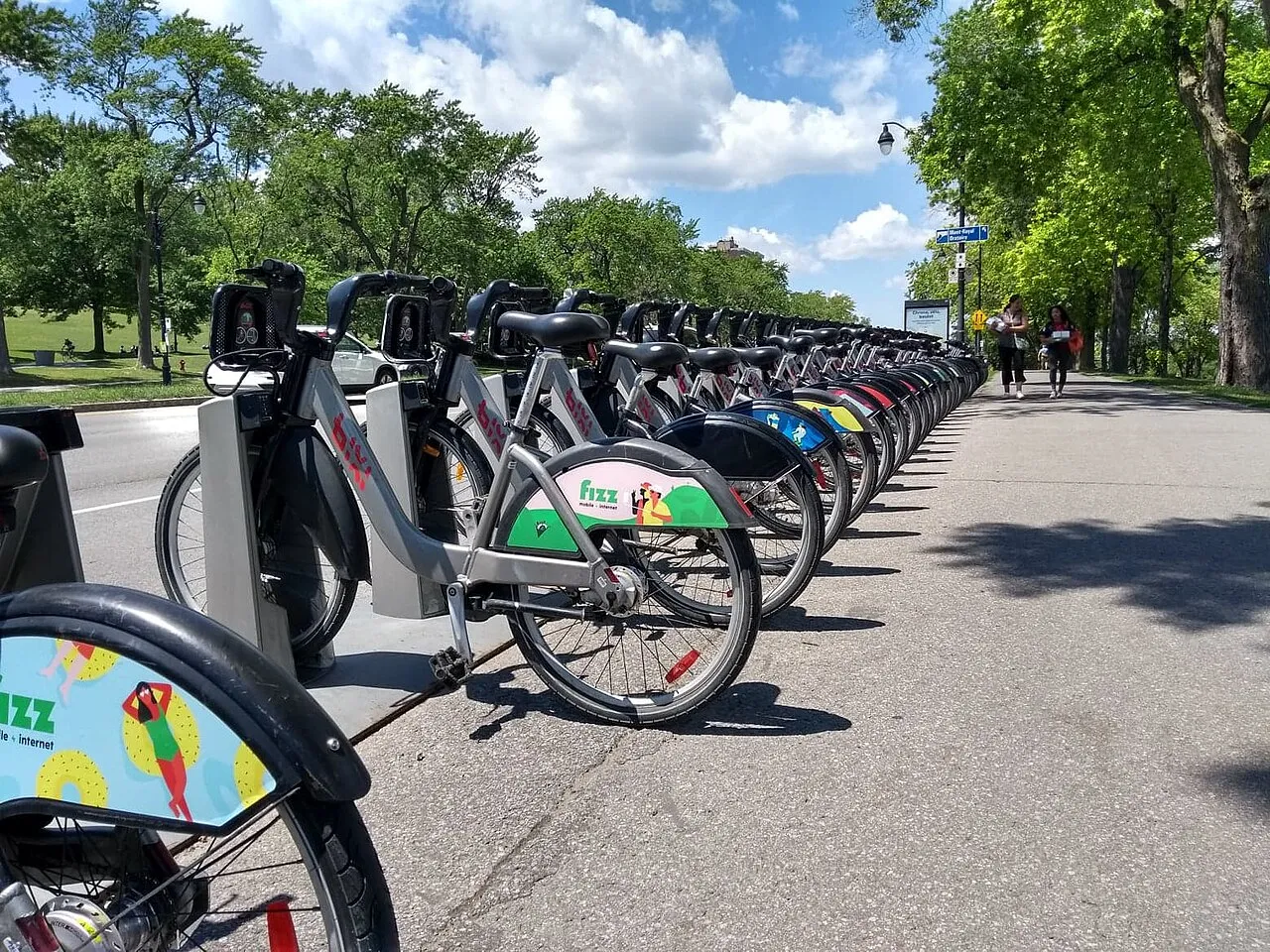
| BIXI option | Price |
|---|---|
| Single conventional ride | CAD $2.99 |
| 1-day pass, unlimited 45-minute rides | CAD $5.25 |
| 3-day pass | CAD $13.00 |
| Electric bike surcharge | CAD $0.20/minute |
The BIXI app shows stations and electric-bike availability live. The surcharge is worthwhile for specific climbs or tired legs.
Days when public transportation may be free
STM sometimes offers free service around major events to reduce traffic, including Québec’s Fête Nationale on June 24, certain Old Port fireworks nights, and selected Jazz Festival or Just for Laughs dates. Policies can change each year, so check STM’s official calendar. Trains will be crowded, but parking will not be your problem.
When Does Renting a Car Make Sense?
Everything above applies to exploring Montreal itself. A car is genuinely useful for:
- A day trip to Mont-Tremblant
- Driving through the Laurentians or Eastern Townships
- Visiting wineries around Dunham or Bedford
In those cases, rent for the specific day and use transit for the rest of the stay. The car becomes a tool rather than a burden.
What I Would Do During Your First Days in Montreal
I would buy an OPUS card on arrival and load a three-day pass. During the first two days, I would combine metro and electric BIXI to cover neighborhoods far apart. On day three, if the plan included the Old Port, I would take a river shuttle toward the islands and return while the sun sets over the city. After that, I would add single fares and let the Transit App handle the details.
I would rent a car only the day before an excursion outside Montreal.
At least, that is my opinion. As a resident who actually uses the system, I think it is worth something.
🌎 Have a great trip, and see you on the next adventure!
Here at Worth Visiting?, we believe every destination has a unique story to tell, and we want to inspire you to live yours. Keep exploring with curiosity, respect and the touch of planning that turns any trip into an unforgettable experience. See you at the next destination!
Read also
Was this post useful?
Rate your reading experience.